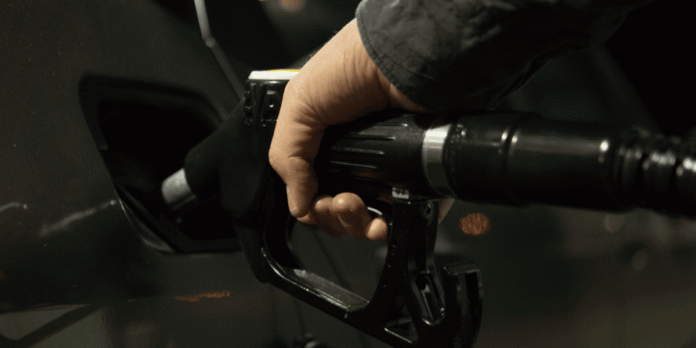
New Delhi, June 24: The Ministry of Petroleum and Natural Gas has reaffirmed that India’s Ethanol Blending Programme is scientifically validated and subject to continuous monitoring, while rejecting what it described as misleading and unsubstantiated claims circulating on social media regarding ethanol-blended petrol.
The clarification comes amid the circulation of videos, images and online posts questioning the safety and performance of E20 fuel, raising concerns among vehicle owners and consumers. The Ministry stated that several of the claims being shared online are inaccurate and appear intended to create confusion and unwarranted apprehension about ethanol-blended fuel.
According to the Ministry, the Ethanol Blending Programme was launched in 2003 with the objectives of reducing dependence on imported crude oil, strengthening energy security and promoting environmental sustainability. The programme was implemented in phases, culminating in the introduction of 20 per cent ethanol blending, or E20 fuel, from 2023 onwards.

The Ministry stated that the implementation of the programme is continuously monitored in consultation with oil marketing companies, automobile manufacturers, fuel-testing agencies and other stakeholders. It added that since the rollout of E20 petrol, no widespread incidents of engine failure or vehicle breakdown attributable to ethanol blending have been reported.
Addressing concerns related to ethanol’s hygroscopic nature, the Ministry said the presence of water in fuel tanks is undesirable for any type of fuel and not unique to ethanol-blended petrol. It noted that modern vehicles are equipped with safeguards and design features intended to prevent water ingress into fuel systems.
The Ministry also rejected claims circulating on social media that sugarcane juice is directly mixed with petrol for fuel blending. It clarified that ethanol used in fuel production undergoes established industrial processes, including fermentation and distillation, and conforms to strict quality specifications before blending with petrol.
According to the Ministry, ethanol is produced from a range of agricultural feedstocks, including sugarcane juice, molasses, broken rice and maize. However, the final ethanol product differs significantly from the original feedstock due to extensive processing and quality control measures.
The clarification also addressed a viral video showing ants near a vehicle’s fuel tank. Bharat Petroleum Corporation Limited stated that fuel-grade ethanol contains no residual sugars and includes denaturants that repel insects. It said there is no scientific evidence linking E20 fuel with ant attraction or insect congregation around fuel caps.

The Ministry further noted that claims suggesting E20 fuel could invalidate vehicle insurance policies were examined and found to be incorrect.
Highlighting international experience, the Ministry stated that ethanol blending is widely adopted in countries including the United States, Brazil and Japan. Brazil, in particular, has long used higher ethanol blending levels, with E27 serving as its standard petrol blend.
The government said the Ethanol Blending Programme has helped India save more than ₹1.4 lakh crore in foreign exchange by reducing crude oil imports. It added that the initiative has supported farmers through sustained demand for agricultural feedstocks while contributing to energy security, lower carbon emissions and the country’s transition towards cleaner mobility.