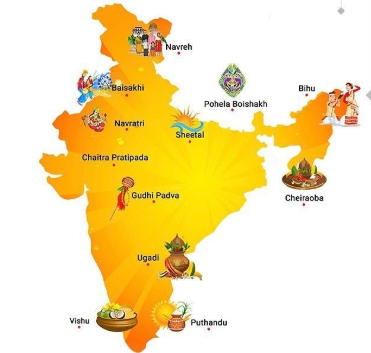
Delhi, April 15: Prime Minister Narendra Modi on Wednesday extended greetings to citizens across the country on the occasion of multiple regional New Year festivals, including Vishu, Rongali Bihu, and Poila Boishakh, emphasising hope, cultural unity, and the spirit of new beginnings.
Taking to social media platform X, the Prime Minister described these festivals as symbols of positivity, prosperity, and gratitude, reflecting India’s rich cultural diversity and shared traditions.
“Greetings on the auspicious occasion of Vishu! This festival is about hope and happiness. It emphasises positivity and gratitude,” he said, wishing citizens a year filled with joy, success, and good health.
Observed primarily in Kerala, Vishu marks the beginning of the Medam month in the Malayalam calendar and is widely regarded as an occasion symbolising renewal and prosperity. The festival began on April 15 this year, with rituals rooted in tradition and spiritual significance.
The day typically starts with the ceremonial ‘Vishukkani’, where devotees view an auspicious arrangement of items as the first sight of the day, believed to bring good fortune. Celebrations also include wearing new clothes, offering prayers, exchanging gifts known as Vishukkaineetam, and sharing festive meals.
Bihu celebrates unity and agrarian roots
Extending greetings on Rongali Bihu, the Prime Minister highlighted the festival’s vibrant cultural essence and its deep connection to Assam’s agrarian traditions. “This vibrant festival celebrates new beginnings, prosperity and the spirit of togetherness,” he noted.
Rongali Bihu, also known as Bohag Bihu, is the most significant among the three Bihu festivals and marks the Assamese New Year and the arrival of spring. Celebrated across Assam, it reflects the rhythms of the agricultural cycle and the region’s close relationship with nature.
Union Home Minister Amit Shah and Union Minister J. P. Nadda also extended their greetings, underlining the festival’s role in fostering social harmony and collective joy.
Festivities include traditional Bihu dance performances, folk songs, community feasts, and the exchange of the symbolic ‘Gamocha’, representing respect and goodwill. The celebrations bring together communities cutting across social and cultural lines, reinforcing unity and shared identity.
Poila Boishakh reflects cultural richness
On the occasion of Poila Boishakh, marking the Bengali New Year, the Prime Minister highlighted the enduring cultural legacy of West Bengal and its contribution to India’s civilisational ethos.
“Shubho Noboborsho! My best wishes on the special occasion of Poila Boishakh,” he said, adding that the festival is an opportunity to celebrate the timeless richness of Bengali culture.
Poila Boishakh is observed with enthusiasm across West Bengal, Tripura, Jharkhand, and parts of Assam, symbolising fresh beginnings and economic renewal. The festival also marks the start of a new Bengali calendar year, considered highly auspicious for initiating business ventures and personal milestones.
Celebrations are marked by traditional attire, cultural performances, community gatherings, and temple visits. Business communities observe rituals dedicated to deities such as Lord Ganesha and Goddess Lakshmi, seeking prosperity in the year ahead.
Across regions, the observance of these festivals on the same day underscores India’s cultural plurality, where diverse traditions converge around common themes of renewal, gratitude, and optimism.
Analysts note that such occasions reinforce the idea of unity in diversity, with regional identities contributing to a larger national cultural fabric. As people across states celebrate their respective New Years, the shared emphasis on hope, prosperity, and togetherness remains a unifying thread.
The Prime Minister’s messages, echoing these sentiments, come at a time when cultural observances continue to play a key role in strengthening social cohesion and preserving India’s intangible heritage.
With festivities spanning from Kerala to Assam and Bengal, April 15 stands out as a day that encapsulates the spirit of renewal across India, where tradition, faith, and community come together to welcome a new beginning.