New Delhi, June 15: India’s push towards cleaner and more self-reliant energy sources received a major boost with Union Road Transport and Highways Minister Nitin Gadkari announcing that regulations permitting the use of 100 per cent ethanol fuel have been approved.
The decision, which could significantly reshape the country’s automotive fuel landscape in the coming years, is aimed at reducing dependence on imported fossil fuels while encouraging the adoption of alternative and domestically produced energy sources.
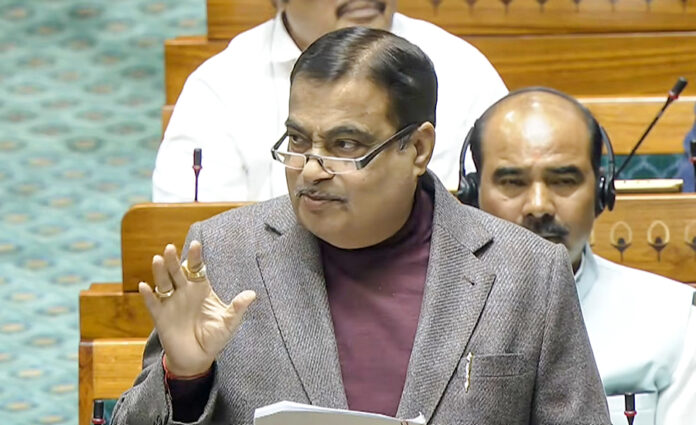
Speaking at a press conference in Nagpur to mark 12 years of the National Democratic Alliance (NDA) government, Gadkari said he had signed the file approving the necessary regulations, thereby legally authorising the use of vehicles powered entirely by ethanol fuel.
According to the minister, the move represents a significant step towards achieving greater energy security and reducing India’s massive expenditure on petroleum imports. India remains one of the world’s largest importers of crude oil, making fuel import reduction a key economic and strategic objective for policymakers.
Gadkari said the concept of widespread ethanol usage in the transport sector was once viewed with scepticism. Recalling earlier discussions on alternative fuels, he noted that the proposal had often been met with criticism and doubts regarding its practicality.
However, developments in vehicle technology and fuel infrastructure have increasingly positioned ethanol as a viable alternative to conventional petrol. Ethanol is primarily produced from agricultural feedstocks such as sugarcane, maize and other biomass sources, making it a renewable fuel option that can support both environmental and economic objectives.
The minister also revealed that several major automobile manufacturers are preparing to introduce vehicles capable of running on 100 per cent ethanol fuel. According to Gadkari, companies including Toyota, Suzuki, MG Motor and Hyundai are expected to launch ethanol-compatible vehicles within the next six weeks.
The anticipated rollout is expected to strengthen the emerging ecosystem for ethanol-based mobility and provide consumers with additional fuel options.
The announcement comes shortly after the introduction of E85 fuel in India. E85 is a blend consisting of up to 85 per cent ethanol and 15 per cent petrol and is intended for use in specially designed flex-fuel vehicles capable of operating on varying ethanol concentrations.
Union Petroleum and Natural Gas Minister Hardeep Singh Puri recently highlighted the country’s progress in ethanol blending, describing it as one of India’s major energy-sector achievements over the past decade.
According to government figures, ethanol blending in petrol increased from around 1.5 per cent in 2014 to 10 per cent by November 2022. The government had initially targeted 20 per cent blending by 2030 but achieved the milestone significantly ahead of schedule in 2024.
Officials view ethanol blending as a strategy that delivers multiple benefits simultaneously. Apart from reducing crude oil imports, it supports domestic agriculture by creating additional demand for crops used in ethanol production. It is also expected to contribute to lower carbon emissions compared to conventional fossil fuels.
Industry experts note that the success of a 100 per cent ethanol ecosystem will depend on several factors, including vehicle availability, fuel distribution infrastructure, pricing and consumer acceptance. The transition will also require expansion of ethanol production capacity to meet future demand.
The government has been actively engaging with automobile manufacturers and industry bodies to facilitate the adoption of ethanol-compatible technologies. Discussions have involved stakeholders across the automotive and energy sectors to ensure that regulatory and technological frameworks evolve together.
With regulatory approval now in place, India’s ethanol programme appears set to enter a new phase. If successfully implemented, the initiative could strengthen energy independence, support farmers, reduce fuel import costs and accelerate the country’s transition towards cleaner transportation alternatives.