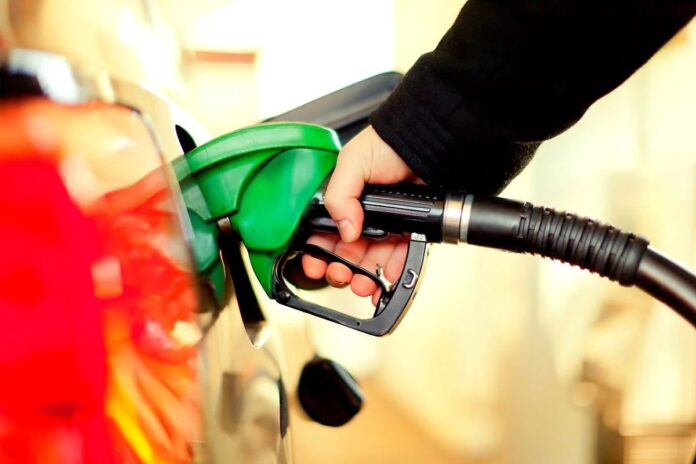
New Delhi, June 12: The Centre has imposed temporary restrictions on the bulk purchase of diesel and petrol from retail fuel stations across the country, directing large commercial and institutional consumers to procure fuel through dedicated supply channels instead of regular retail outlets.
The move, notified by the government on Thursday, will remain in force for an initial period of 90 days unless modified or withdrawn earlier. The decision comes amid heightened volatility in global energy markets and growing concerns over fuel distribution and supply management.
Under the new rules, retail outlet dealers have been instructed not to sell more than 200 litres of high-speed diesel (HSD) to a single customer or vehicle in a day. The notification also prohibits the resale of diesel purchased from retail fuel stations, introducing tighter controls on fuel movement and distribution.
Officials said the measure is intended to prevent diversion of fuel sold through retail channels and ensure that supplies at petrol pumps are primarily used by individual consumers and small-scale users rather than large commercial entities.
The restrictions apply to both motor spirit (petrol) and diesel distribution practices, although the 200-litre cap specifically targets diesel sales. Institutional users, commercial establishments and other bulk consumers have been advised to source their fuel requirements through authorised consumer pumps, captive facilities or dedicated commercial supply arrangements.
The government believes the move will improve transparency in fuel distribution and reduce the possibility of arbitrage or unauthorised resale. Industry observers note that retail fuel outlets are designed primarily to serve individual motorists and small consumers, whereas large organisations often have access to separate procurement mechanisms.
The order is expected to affect a range of bulk users, including transport operators, construction companies, industrial establishments and commercial entities that frequently purchase large quantities of diesel from retail outlets.
The development could also alter fuel demand patterns for the country’s major oil marketing companies, including Indian Oil Corporation, Bharat Petroleum Corporation Limited and Hindustan Petroleum Corporation Limited. Analysts expect these companies to closely monitor distribution networks and adjust supply logistics in response to the new regulatory framework.
The restrictions come against the backdrop of continuing uncertainty in global energy markets. Rising geopolitical tensions in the Middle East have increased concerns about crude oil supplies and shipping routes, prompting governments around the world to closely watch fuel inventories and pricing trends.
Particular attention remains focused on the Strait of Hormuz, one of the world’s most important oil transit corridors. Any disruption to traffic through the strait has the potential to affect global crude supplies and influence fuel prices in importing countries, including India.
Domestic fuel prices have already witnessed upward movement in recent weeks. According to official figures, petrol prices in Delhi have risen by approximately ₹4.75 per litre since May 15, representing an increase of around five per cent. Diesel prices have increased by about ₹4.82 per litre during the same period, translating to a rise of roughly 5.5 per cent.
The increases have largely been attributed to rising international crude oil prices and supply concerns linked to developments in the Middle East. Higher transportation and procurement costs have gradually filtered into domestic fuel pricing structures after a prolonged period of relative stability.
Government officials have maintained that India had insulated consumers from immediate price shocks for an extended duration despite global market pressures. According to officials, domestic fuel prices remained unchanged for more than two months even as international oil prices experienced fluctuations linked to geopolitical events.
Energy analysts suggest that the latest restrictions are aimed less at controlling consumption and more at improving distribution efficiency and preventing misuse of retail fuel channels. By directing bulk consumers toward dedicated procurement systems, authorities hope to ensure smoother fuel availability at retail outlets and strengthen oversight of the supply chain.
The 90-day restriction will remain under review, with the government expected to assess its impact on fuel availability, distribution patterns and market stability before deciding on any extension or modification. For now, retail fuel stations across the country will operate under stricter rules governing bulk diesel sales as India navigates an uncertain global energy environment.