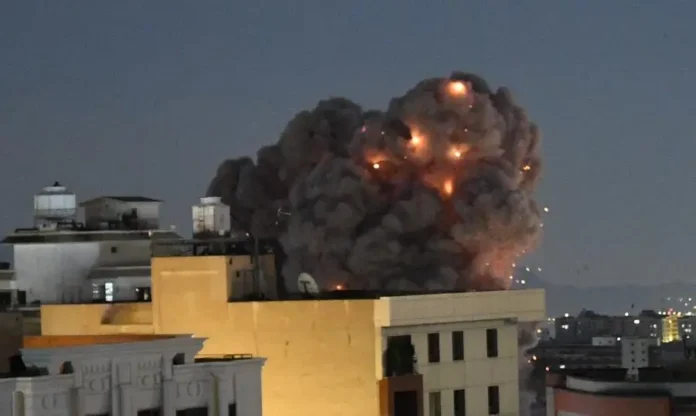
Washington, April 15: The ongoing conflict in the Middle East is set to slow global economic growth and drive up prices, the International Monetary Fund has warned, citing widespread disruptions to energy supplies and trade flows.
IMF Deputy Managing Director Bo Li said the crisis has introduced “exceptional uncertainty” into the global outlook, forcing a reassessment of economic projections. He indicated that current scenarios point to a combination of rising prices and slower growth, with impacts varying significantly across countries.
The effects are already being felt most sharply in the Middle East and neighbouring regions. According to Li, economies directly affected by the conflict are likely to see output remain below pre-war trends in both the near and medium term, reflecting uneven and asymmetrical economic consequences.

Oil-exporting nations are facing interruptions to production and shipments, while energy-importing economies are grappling with higher fuel and food costs. These pressures are eroding consumer purchasing power and straining government finances. Low-income and fragile countries remain particularly vulnerable due to their dependence on imported fuel and fertilisers.
Pakistan’s Finance Minister Mohammad Aurangzeb highlighted the immediate challenge of securing energy supplies amid logistical disruptions. He noted that shipping delays have increased costs, even where supplies are available. The government initially absorbed price shocks but has since shifted to a system of targeted subsidies, focusing support on transport, small farmers and vulnerable populations.
Financial markets are reflecting a supply-side disruption rather than a typical risk-driven downturn. Mike Pyle of BlackRock observed that both equity and bond markets have declined simultaneously, indicating structural stress linked to supply constraints.
BlackRock estimates that the conflict could reduce global growth by 20 to 30 basis points. Europe is expected to face a more pronounced slowdown, while Asia may experience uneven impacts. The United States is likely to remain relatively insulated due to its domestic energy dynamics.

Energy markets remain under significant strain. Tim Gould of the International Energy Agency said global oil supply losses have reached around 13 million barrels per day, exceeding the scale of disruptions seen during the 1970s oil shocks. Gas supplies have also been affected, with key liquefied natural gas exports disrupted and tighter supply conditions expected in the coming weeks.
The crisis is also expected to accelerate long-term policy shifts. Countries are likely to intensify efforts to diversify energy sources, expand strategic reserves and invest in alternative energy, including renewables and nuclear power.
While the global economy showed resilience last year with stronger-than-expected growth, the IMF has reiterated that geopolitical disruptions, particularly those affecting energy and supply chains, remain a significant risk to future stability.