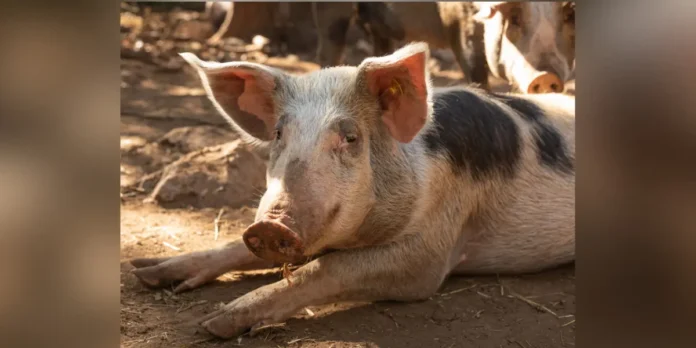
Sri Vijaya Puram, October 17: The Andaman and Nicobar Administration has imposed an island-wide ban on the transportation of live pigs, pig feed, pork and pork products after laboratory tests confirmed African Swine Fever (ASF) in pigs in Sri Vijaya Puram and Arong in Car Nicobar. The administration has also ordered the culling of pigs within a one-kilometre radius of infected zones, as it moves to contain a disease capable of causing high mortality among pigs and substantial losses to farmers.
The outbreak was confirmed by the ICAR-National Institute of High Security Animal Diseases (NIHSAD), Bhopal. The administration has declared the affected locations epicentres under the Prevention and Control of Infectious and Contagious Diseases in Animals Act, 2009, and brought the restrictions into force with immediate effect. The ban will continue until further orders.
The prohibition covers transportation by sea, road and air across the Union Territory, including frozen pork and other pig-derived products. Authorities have also barred the movement of pigs, pig feed and pork products into or out of the designated epicentres. No person may remove an infected or suspected pig, alive or dead, or transport contaminated bedding, carcasses, skins or other pig parts and products.
The notification also prohibits animal markets, fairs, exhibitions and other gatherings involving pigs. These restrictions seek to prevent the virus from spreading through the movement of animals and contaminated materials.

Culling and disposal under veterinary supervision
Authorities have ordered the culling of all pigs within one kilometre of infected zones. Veterinary officers will supervise the operation in coordination with the designated SVPMC team and the concerned local administration. Pig owners cannot independently slaughter, transport or dispose of animals identified for culling.
Officials must arrange deep burial for carcasses and the disposal of frozen meat, pork and pork products. The notification advises authorities to establish common community burial pits at the panchayat level or for clusters of panchayats, wherever practicable, instead of individual pits. The sites must be suitable and located away from human habitation and transport routes.
The administration has expressly prohibited the disposal of carcasses, frozen meat and pork products in the sea, creeks, streams or other water bodies.
Compensation will be considered in accordance with the eligibility criteria, rates and procedures prescribed by the Union government. Mandatory verification by the designated compensation team is required before any payment can be approved.
Farmers told to report suspected infections immediately
Pig owners have been instructed to confine their animals and separate sick, suspected and exposed pigs from healthy ones as far as practicable. They must immediately inform the Senior Veterinary Officer of their area or the nearest veterinary institution about sudden pig deaths, suspected infections or contact with infected animals.
Warning signs include high fever, loss of appetite, weakness, reddish or purplish skin discolouration, vomiting, diarrhoea and abortions. Farmers must maintain records of pig numbers, illness, deaths and culling, and report sickness or mortality without delay.
The advisory calls for strict biosecurity at pig holdings, including restricting visitors, cleaning and disinfecting sheds, footwear, equipment and vehicles, and protecting feed and water from contamination. Farmers must not feed pigs untreated kitchen waste, food scraps containing meat or pork, or untreated waste from hotels, restaurants and ships.
The public has been advised not to transport restricted pig or pork products, leave food waste accessible to pigs, or handle dead pig carcasses. Ships, hotels, markets and other establishments must ensure that food waste is disposed of safely to prevent pigs from accessing it.

No direct human health risk
ASF is a highly contagious viral disease affecting domestic pigs and wild boars. It can cause high mortality and severe economic losses, but it does not infect humans and poses no direct risk to human health. There is no specific curative treatment or officially approved vaccine, making early reporting, movement restrictions, segregation and biosecurity central to controlling its spread.
The administration has called on the Nicobar Tribal Council, village captains and headmen, and district, revenue, rural development and police officials to assist veterinary authorities. Surveillance of domestic pigs near forest areas will be undertaken in consultation with the Chief Wildlife Warden.
The restrictions will remain in force until withdrawn or until the affected areas are declared free of the disease through a subsequent notification.