The two-day celebration of World Anthropology Day concluded in Sri Vijaya Puram with a renewed emphasis on ethical field engagement, qualitative research practices and the evolving role of anthropology in documenting and understanding indigenous communities and social change.
The programme was organised on February 19 and 20 at the Andaman and Nicobar Regional Centre of the Anthropological Survey of India, bringing together officers, researchers and academic practitioners for discussions aimed at strengthening professional capacity and reinforcing the institution’s research mandate in the islands.
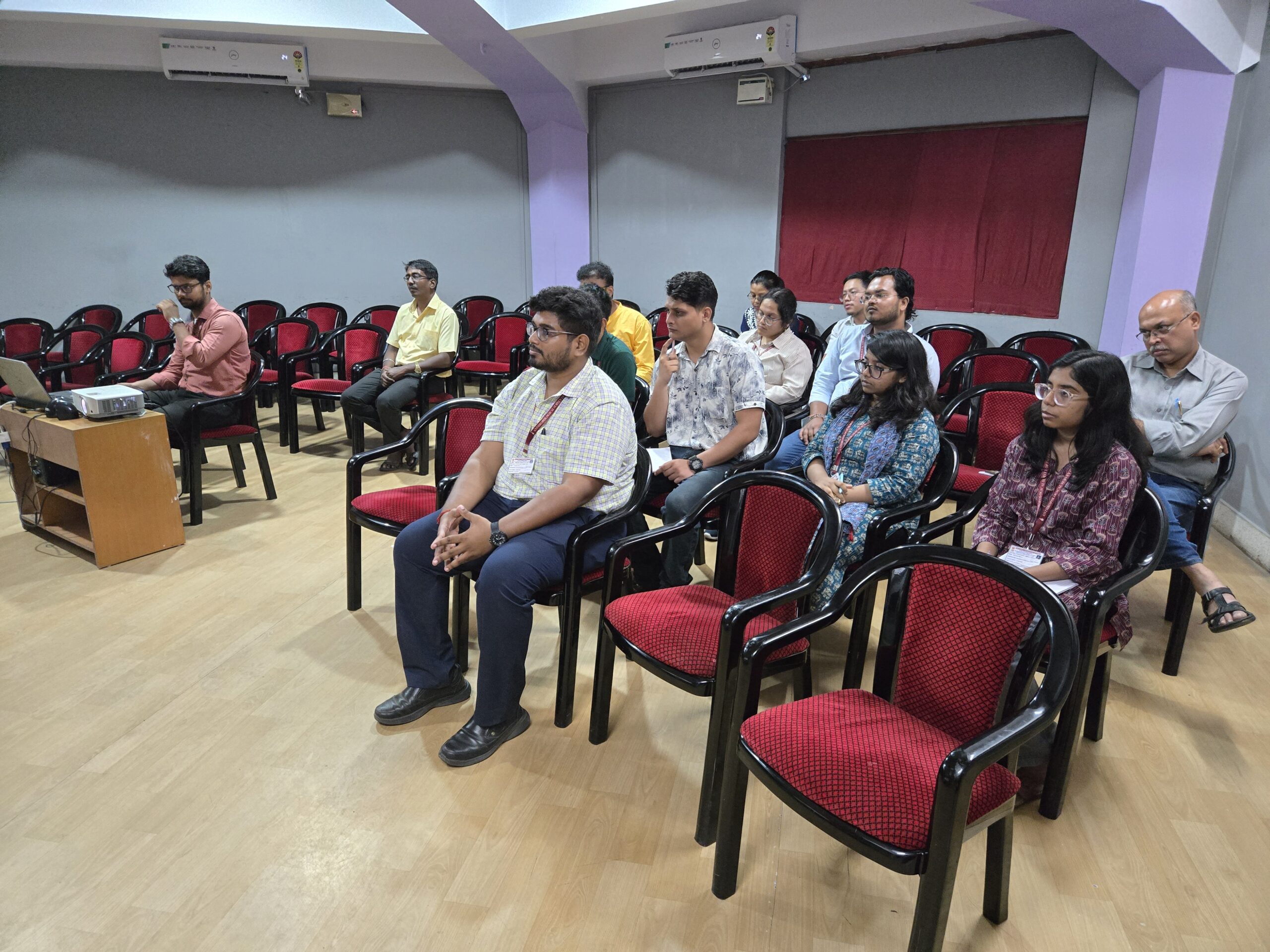
The first day, coinciding with World Anthropology Day, featured a session focusing on day-to-day engagement with Particularly Vulnerable Tribal Groups in the Andaman and Nicobar Islands. The session was delivered by Pronob Sircar, Tribal Welfare Officer from the Directorate of Tribal Welfare, Andaman Adim Janjati Vikas Samiti. Drawing on field-level experience, the session sensitised officers to the importance of cultural relativism, ethical conduct and contextual sensitivity while working with indigenous communities.
The interaction underscored the need for anthropologists and field officials to balance academic frameworks with lived realities on the ground. Participants were introduced to practical challenges encountered during fieldwork and the importance of building trust-based relationships with communities, particularly while working with vulnerable tribal groups. The session highlighted how experiential learning complements institutional research and strengthens applied anthropology.
The second day featured a special lecture on qualitative research methodology delivered by Deepak Kumar Behera, former Vice-Chancellor of Sambalpur University, Rajendra University and Berhampur University in Odisha. The lecture focused on systematic fieldwork, ethical research design and rigorous qualitative analysis as core pillars of anthropological inquiry.
Attention was also drawn to the growing relevance of digital ethnography and the integration of digital tools in contemporary research. The session explored how traditional ethnographic methods can be combined with modern technological approaches to document social realities more effectively, particularly in rapidly changing socio-cultural environments.
Both days of the programme commenced with a floral tribute to the portrait of B. S. Guha, founding Director of the Anthropological Survey of India and the architect behind the establishment of the Andaman and Nicobar Regional Centre in 1951. Officers and researchers paid homage to his contributions to institutional development and anthropological scholarship in the region.
The programme also highlighted the broader role of the regional centre in research, documentation and public engagement. The Museum Wing of the centre houses a collection of more than 600 artefacts representing various tribes and communities of the islands, including traditional tools, ornaments, models, photographs and ethnographic materials. Officials said the collection reflects decades of sustained efforts to preserve and present the cultural heritage of the islands.
Through research initiatives, museum activities, outreach programmes and academic engagements, the regional centre continues to promote anthropology as a scientific discipline that bridges culture, biology, society and environment. The two-day event reaffirmed the institution’s long-standing association with anthropological research and its commitment to knowledge dissemination beyond academic circles.
Organisers said the celebration of World Anthropology Day was not limited to a symbolic observance but formed part of an ongoing effort to strengthen research practices, ethical engagement and professional training, ensuring that anthropology remains responsive to contemporary social challenges while rooted in rigorous field-based inquiry.