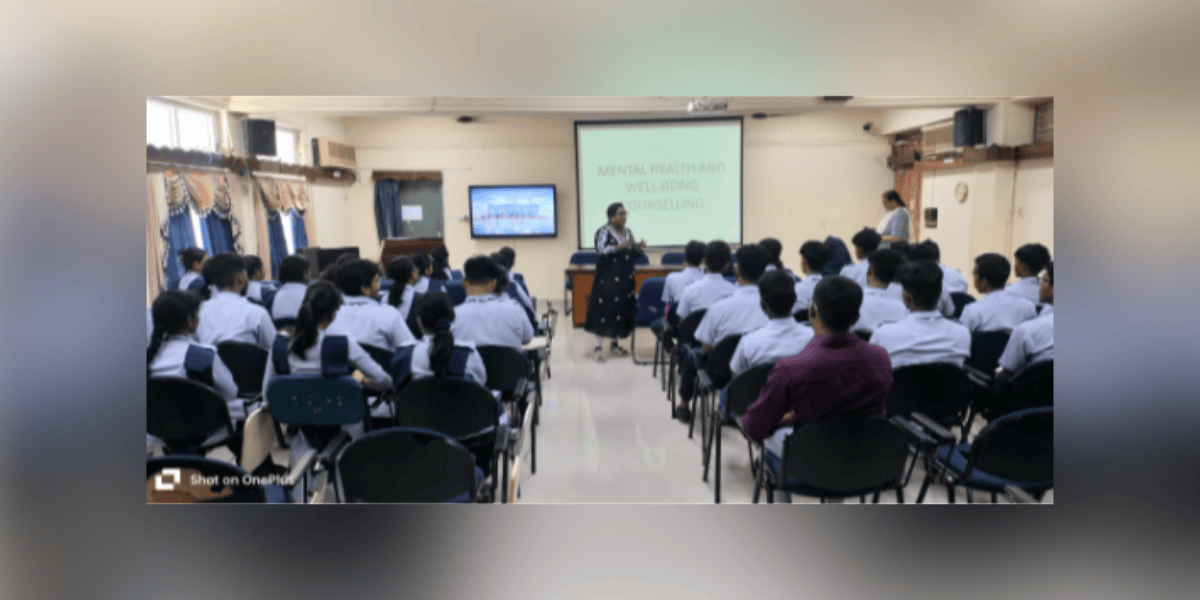
A session focusing on psychology and mental health issues affecting students was conducted on December 20 at the DBRAIT conference hall in Sri Vijaya Puram, bringing attention to a range of challenges increasingly reported among young people. The programme was aimed at creating awareness about mental wellbeing and providing students with an opportunity to understand and address concerns related to emotional and psychological health.
The session was led by a psychologist and expert from ANIIMS, who spoke in detail about various issues impacting students, including depression, mental health concerns, suicide, self-harming behaviour, excessive gaming, lack of sleep, overthinking, relationship breakups and uncertainty surrounding life choices. The discussion also highlighted the close connection between physical health and mental wellbeing, underlining the need for a balanced approach to overall health.
Organisers said the programme was structured to encourage open dialogue, recognising that mental health issues among students often remain unaddressed due to stigma, lack of awareness or fear of judgement. By holding the session in an academic setting, the initiative aimed to normalise conversations around mental health and promote early identification of warning signs.

An interactive question-and-answer segment formed a key part of the session, during which students were encouraged to openly share their concerns and seek clarification on issues affecting them. Participants raised questions related to academic stress, sleep deprivation, emotional distress and behavioural changes, reflecting the wide range of pressures faced by students in contemporary academic and social environments.
Officials associated with the programme noted that the interactive format helped create a supportive atmosphere, allowing students to engage without hesitation. The expert provided responses aimed at improving understanding of coping mechanisms, healthy habits and the importance of seeking support when needed.
In addition to the group interaction, individual counselling was also offered to students during the session. This component allowed students to discuss personal concerns in a confidential setting, providing targeted guidance tailored to individual circumstances. Organisers said the availability of one-on-one counselling was intended to ensure that students requiring immediate support were not left unattended.
The focus on issues such as excessive gaming and lack of sleep reflected growing concerns among educators and health professionals about lifestyle patterns that affect students’ academic performance and mental wellbeing. Similarly, discussions on self-harming behaviour and suicide were aimed at increasing awareness of risk factors and emphasising the importance of timely intervention.

The session also addressed the impact of emotional experiences such as breakups and life decisions, acknowledging that such issues can significantly influence mental health during formative years. By situating these discussions within a broader framework of physical and mental health interconnection, the programme sought to promote holistic wellbeing.
Education and health officials present at the programme observed that such initiatives are becoming increasingly necessary as academic competition, digital exposure and social pressures intensify. They said awareness programmes can play a crucial role in equipping students with knowledge and resources to manage stress and seek help.
The mental health session at DBRAIT was positioned as part of broader efforts to integrate psychological wellbeing into student support systems. Organisers indicated that continued engagement through similar programmes could help reduce stigma, improve mental health literacy and foster a more supportive environment within educational institutions.
The programme concluded with students availing counselling support and engaging in informal discussions, reflecting sustained interest in mental health topics and the need for ongoing dialogue and support mechanisms for young people.