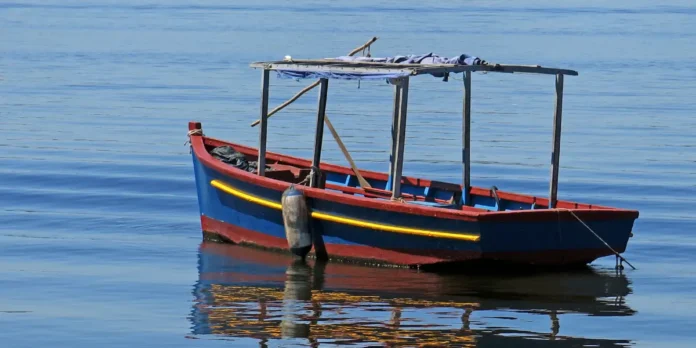
Sri Vijaya Puram (Port Blair), April 16: Around 250 people are feared missing after a boat carrying Rohingya refugees capsized in the Andaman Sea while attempting to reach Malaysia, in what is being described as one of the latest tragedies linked to the ongoing displacement crisis, according to a report by WION.
The vessel, believed to have been carrying over 250 passengers including men, women and children, reportedly sank due to severe weather conditions and overcrowding. The boat had departed from Teknaf in southern Bangladesh earlier this month and was headed toward Malaysia, a common but perilous route taken by refugees seeking better opportunities.
According to statements from the UNHCR and the International Organization for Migration, the trawler went down amid heavy winds and rough seas, compounding the dangers already posed by overcrowding.

Survivors rescued near Andaman waters
Early reports indicate that nearly 280 people may have been on board when the vessel left Bangladesh on April 4. The Bangladesh Coast Guard confirmed that nine survivors were rescued days later after being spotted drifting in the sea.
Rescue efforts were aided by a commercial vessel, identified as MT Meghna Pride, which located survivors floating on makeshift supports such as logs and drums in waters near the Andaman and Nicobar Islands.
One survivor recounted the ordeal, alleging that traffickers had lured passengers with promises of employment in Malaysia. He described being confined in cramped conditions aboard the vessel, where some passengers reportedly died even before the boat capsized. Survivors were left adrift at sea for over 36 hours before being rescued.

Crisis rooted in prolonged displacement
The tragedy underscores the continuing humanitarian crisis faced by the Rohingya community, many of whom have fled persecution in Myanmar’s Rakhine state. Large numbers currently reside in overcrowded camps in Cox’s Bazar, Bangladesh, where living conditions remain challenging.
The crisis intensified after the Rohingya crisis 2017, when more than 730,000 people fled a military crackdown. A subsequent UN investigation described the operation as involving “genocidal acts,” a claim denied by Myanmar.
Ongoing conflict between Myanmar’s military and the Arakan Army has further worsened conditions, leaving many Rohingya with limited prospects and pushing them toward risky sea journeys.
UN agencies have reiterated calls for increased international support, urging governments and donors to scale up humanitarian funding for refugees and host communities in Bangladesh. They also stressed the need for long-term solutions to address the root causes of displacement.
The Andaman Sea route, frequently used by traffickers, remains one of the most dangerous migration corridors in the region. With overcrowded boats, unpredictable weather, and limited rescue infrastructure, such incidents continue to expose vulnerable populations to life-threatening risks.