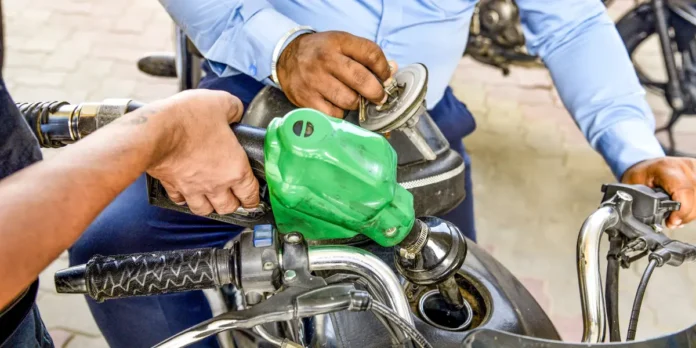
New Delhi, May 19: Opposition parties on Tuesday criticised the Centre over the latest increase in petrol and diesel prices, accusing the government of placing an additional financial burden on citizens amid rising inflation and global crude oil volatility.
The criticism came after state-run oil marketing companies revised fuel prices for the second time within a week following a rise in international crude oil prices linked to tensions in the Gulf region and concerns over disruptions in global supply chains.
Following the latest revision, petrol prices increased by 86 paise per litre while diesel prices went up by 83 paise per litre.
Senior Congress leader Pramod Tiwari accused the government of misleading the public while repeatedly increasing fuel prices and termed the move an indirect burden on citizens.

Speaking to IANS, he alleged that fuel prices would continue to rise in phases and claimed the public was being forced to bear the impact through higher daily expenses.
Congress leader Husain Dalwai also criticised the phased increase in fuel prices, alleging that gradual revisions were being carried out to avoid immediate public backlash.
He claimed that the rising fuel prices would further strain household finances and add to inflationary pressures.
Biju Janata Dal leader Sasmit Patra linked the increase to the ongoing situation in the Gulf region and its impact on India’s energy supplies.
He pointed out that a significant portion of India’s gas supplies passes through the Strait of Hormuz and said disruptions in the region were affecting fuel availability and prices in the domestic market.
Patra said petrol and diesel prices had already risen by around Rs 3.5 to Rs 4 in recent days and warned that the increase would heavily affect household budgets.
He also reiterated his demand for bringing petroleum products under the Goods and Services Tax regime, saying such a move could provide relief to consumers.
Congress leader Ajay Kumar Lallu alleged that people were already struggling with inflation and shortages of essential commodities and accused governments of failing to provide relief.

He claimed rising prices of fuel and other essentials were increasing economic pressure on various sections of society.
The latest fuel price revision comes at a time when global oil markets remain volatile due to geopolitical tensions in West Asia and uncertainty surrounding international crude supply routes.
Rising fuel prices are expected to impact transportation costs and could have a cascading effect on prices of essential commodities and services.
The Centre has not officially responded to the opposition criticism so far.