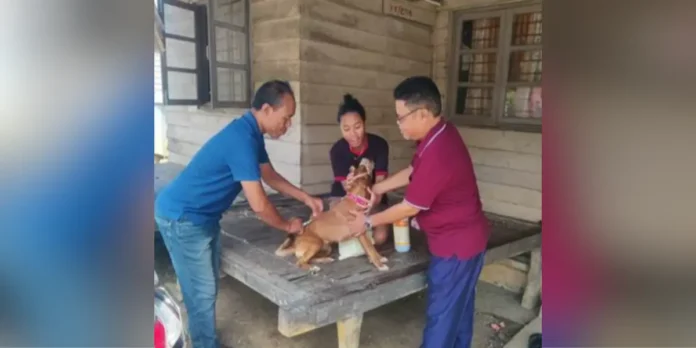
Access to veterinary healthcare in remote parts of Little Andaman received a boost as the Department of Animal Husbandry and Veterinary Services (AH&VS) organised three veterinary health camps over two days, delivering treatment and preventive healthcare services to 1,019 animals in geographically isolated communities. The initiative focused on extending essential veterinary services directly to farmers and tribal communities in areas where access to regular animal healthcare remains limited.
The veterinary outreach programme was conducted on July 27 and 28 across Break Water, Ongi Tikery and Harminder Bay in Little Andaman. The camps were organised to provide doorstep veterinary services while improving the health and productivity of livestock in the remote regions of the island.
The first camp was held on July 27 at Break Water in Hut Bay, where veterinary teams examined and treated a total of 253 animals. The camp included routine animal healthcare services aimed at addressing immediate health concerns and supporting livestock owners in the area.

On July 28, the department organised two separate veterinary health camps. One camp was conducted at Ongi Tikery in Hut Bay, where 249 animals received treatment and healthcare services. Later the same day, another camp was organised at Harminder Bay, where veterinary teams treated 517 animals, making it the largest of the three outreach programmes.
Across all three camps, a total of 1,019 animals benefited from veterinary care. The services included general health examinations, treatment of sick animals, deworming and other necessary veterinary interventions intended to improve the overall health status and productivity of livestock.
The camps formed part of the department’s efforts to extend animal healthcare services to remote and underserved areas of the Andaman and Nicobar Islands. By conducting veterinary camps within local communities, the department enabled livestock owners to access essential healthcare services without travelling long distances.

Veterinary personnel carried out systematic health assessments of animals during the camps and provided the required treatments based on their condition. Preventive measures, including deworming, were also undertaken as part of the programme to help maintain livestock health and reduce the risk of disease.
The initiative covered farmers and tribal communities residing in Break Water, Ongi Tikery and Harminder Bay, reinforcing the department’s outreach to remote parts of Little Andaman. Through these camps, AH&VS delivered veterinary healthcare services directly to livestock owners while supporting animal welfare and livestock management across the island.