Sri Vijaya Puram, October 19: The Andaman and Nicobar Administration has stepped up its response to African Swine Fever (ASF), declaring Sri Vijaya Puram an infected area and constituting District Task Forces across South Andaman, North and Middle Andaman, and Nicobar districts to coordinate surveillance, movement restrictions, authorised culling and safe carcass disposal.
The measures come amid reports of significant pig mortality in the islands. The Wave Andaman had reported on October 3 that pigs had been dying across all 15 villages of Car Nicobar since around August 10, prompting demands for a scientific investigation, disease-control measures and compensation for affected tribal families. A subsequent report on October 7 confirmed that the earlier outbreak in Car Nicobar was Classical Swine Fever (CSF), a disease distinct from ASF.
The latest ASF notification, dated October 16, followed laboratory confirmation of the disease in pigs at Sri Vijaya Puram and Arong in Car Nicobar, according to the Administration’s notification as reported by The Wave Andaman on October 17. The confirmation has prompted restrictions on the transportation of live pigs, pig feed, pork and pork products across the islands, alongside orders for culling within a one-kilometre radius of infected zones.
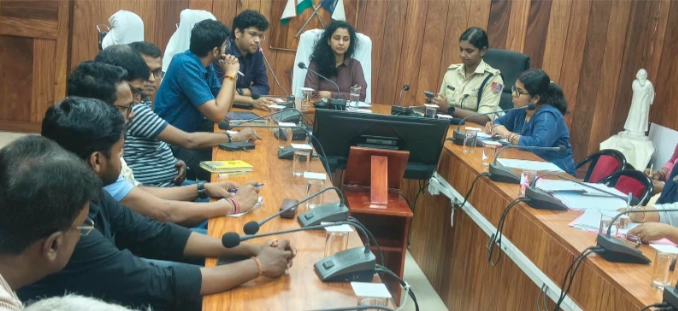
A District Task Force meeting was held on October 17 at the Conference Hall of the District Office, South Andaman, under the chairpersonship of the Deputy Commissioner to review the situation and coordinate containment measures. Representatives of the Sri Vijaya Puram Municipal Council (SVPMC), Health Department and Animal Husbandry and Veterinary Services (AH&VS) Department attended.
The Deputy Commissioner directed officials to intensify surveillance, identify affected areas, monitor suspected cases, undertake authorised culling and ensure the safe disposal of carcasses. The AH&VS Member Secretary was instructed to maintain proper records for verification and processing of eligible compensation claims.
Island-level operational teams will also be formed to coordinate field activities and ensure timely implementation of the directions.

Earlier mortality reports raised livelihood concerns
The reported pig deaths across Car Nicobar had raised concerns over the potential economic impact on tribal households dependent on pig rearing. In a September 30 letter to the Chief Secretary, Member of Parliament Bishnu Pada Ray sought an urgent scientific investigation into the mortality, village-wise enumeration of affected animals and compensation for affected families.
According to the representation cited in The Wave Andaman’s earlier reporting, pigs of different age groups had died during August and September. The letter stated that Village Tribal Captains, including the Chief Captain of Car Nicobar, had brought the issue to the notice of the Veterinary Department and District Administration.
Ray had called for clinical examination, laboratory diagnosis, pathological examination and testing by qualified veterinary specialists rather than assuming the cause of the deaths without confirmation. The subsequent laboratory diagnosis established Classical Swine Fever as the cause of that reported outbreak.
The representation also highlighted concerns over the economic losses faced by families. It stated that households reportedly maintained around 25–30 pigs and estimated the value of an individual animal at ₹30,000–₹40,000, depending on its weight. A comprehensive enumeration of deaths had not been completed at the time, leaving the total losses uncertain.
The earlier outbreak and the latest ASF detections require separate disease-specific responses. The reported Car Nicobar mortality attributed to CSF should not be conflated with the ASF cases confirmed in Sri Vijaya Puram and Arong. Both developments, however, underline the importance of timely diagnosis, surveillance, accurate livestock records and appropriate assistance to affected owners.
District and municipal task forces to coordinate response
Under the AH&VS notification, District Task Forces will function under the respective Deputy Commissioners, with participation from police, Forest, Rural Development, Transport, Tribal Welfare, Health, APWD, Civil Aviation, Shipping Services and veterinary authorities.
The task forces will prepare district-specific action plans in accordance with the National Action Plan for Control, Containment and Eradication of African Swine Fever and directions issued by competent authorities. Their responsibilities include identifying pig-rearing locations, maintaining population and ownership records, reporting suspected infections and unusual mortality, and enforcing restrictions on the movement of pigs, pork, pig products, feed and potentially contaminated materials.
The restrictions extend to road, sea and air transit points. Animal markets, fairs, exhibitions and other gatherings involving pigs are also prohibited under the reported ASF directions.
The South Andaman Deputy Commissioner has instructed the Revenue Department, SVPMC, Rural Development Department, police, Food Safety Department and other concerned agencies to provide assistance with field operations, public awareness and enforcement.
Veterinary authorities will supervise authorised humane culling, while other departments will arrange personnel, security, transport and equipment. Suitable sites must be identified for the safe disposal of carcasses and contaminated materials, including community deep-burial pits wherever prescribed. Affected premises, vehicles and equipment must also be cleaned and disinfected.
The Forest Department will coordinate surveillance concerning suspected disease or unusual mortality among wild pigs and preventive measures where domestic pigs and wildlife may come into contact.
For municipal areas, a separate Municipal Task Force has been constituted under the chairmanship of the Secretary, SVPMC. It will coordinate with the South Andaman District Task Force and AH&VS, deploying municipal personnel, sanitation teams, vehicles and other resources as required.
Compensation to depend on verification
The notification establishes a formal process to verify compensation claims arising from authorised culling of pigs and destruction of animal feed during ASF containment operations.
The respective Deputy Commissioners will notify island-level Compensation Verification Teams wherever required. These teams will verify pig ownership, animal numbers and identification particulars before culling, record the measurements or weight needed to determine the prescribed carcass-weight category, and maintain authenticated records, photographs and acknowledgement from the owner.
The teams will also record the quantity of feed destroyed, verify disposal records and beneficiary bank details, and submit recommendations to the respective Deputy Commissioners for processing eligible claims.
Compensation will be governed by the Union Government’s Office Memorandum dated May 28, 2020, and applicable subsequent amendments or orders. Payments will be based on prescribed carcass-weight classifications and rates and transferred directly to beneficiaries through RTGS or NEFT.
Verification by the duly notified team is mandatory. The Administration has directed that these teams be deployed alongside veterinary operational teams so that documentation does not delay containment measures.
The compensation framework is particularly significant given the earlier concerns raised over livestock losses in Car Nicobar. However, eligibility under the ASF compensation provisions will depend on the applicable rules and verified losses; the earlier reports of CSF-related mortality do not automatically establish entitlement under the separate ASF containment process.

Residents urged to follow restrictions
The SVPMC has appealed to residents, pig owners, vendors and traders to cooperate with the Special Task Force. Owners have been asked to confine their animals, prevent them from roaming freely and separate sick pigs from healthy ones.
Any sick or dead pig must be reported immediately to SVPMC or the nearest Veterinary Officer. Residents have been instructed not to buy, sell, transport or bring in live pigs, pork or pork products while the notified restrictions remain in force.
Dumping carcasses or pig waste into drains, open spaces, creeks or the sea is prohibited. Pig sheds and their surroundings must be kept clean and disinfected, and citizens have been asked to cooperate with inspection teams.
Food Safety Officers have been directed to publicise the October 16 notification, with pork suppliers, retailers and other businesses dealing in pork products required to comply with all applicable restrictions.
The Tribal Welfare Department will disseminate appropriate advisories to tribal communities in coordination with competent authorities. Assistant Commissioners will coordinate surveillance and containment in South Andaman, while the task forces will work with Panchayati Raj representatives, Tribal Councils, village functionaries and local communities.
Daily situation reports during active ASF operations must be submitted to the Director, AH&VS, with a copy to the Secretary, AH&VS. Municipal reports will also be shared with the South Andaman Deputy Commissioner for consolidation.
ASF is a highly contagious viral disease affecting pigs and can cause high mortality, but it does not infect humans and poses no direct risk to human health. There is no specific curative treatment or officially approved vaccine for ASF, making movement controls, biosecurity and prompt reporting essential.
The Administration has urged the public to remain calm, follow official advisories and report suspected cases promptly. The District Control Room can be contacted at 112, 1070 or 1077 for emergency assistance.