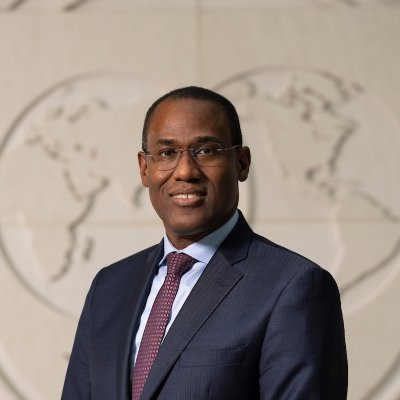
Washington, Sept. 16: India has the potential to power the next wave of global economic growth, supported by its economic foundations, private-sector dynamism and expanding technological capabilities, International Monetary Fund Deputy Managing Director Nigel Clarke said after completing a five-day visit to the country.
Clarke, who visited New Delhi, Mumbai and Chennai, said India remains a key contributor to global economic expansion and that the IMF would continue to support the country’s growth journey.
“India has the potential to power the next wave of global growth, and the IMF remains a close partner in supporting the country on this journey,” Clarke said in a statement issued from Washington.
The visit was Clarke’s first to India since becoming IMF Deputy Managing Director. During his visit, he met Finance and Corporate Affairs Minister Nirmala Sitharaman, Reserve Bank of India Governor Sanjay Malhotra and NITI Aayog Vice Chairman Ashok Kumar Lahiri.
Clarke said his discussions with Indian policymakers covered the country’s economic outlook, changes in the global economic environment and measures required to support sustainable and inclusive growth.
Against the backdrop of global uncertainty and evolving risks, he stressed the importance of maintaining macroeconomic stability and resilience.
Clarke said policymakers discussed the need for flexible policy responses, continued efforts to contain inflation and reforms aimed at increasing productivity and strengthening India’s competitiveness over the medium term.
He described India as the world’s fastest-growing major economy and said its growth was being supported by what he termed strong fundamentals and sound policy frameworks.
The IMF official also held discussions with business leaders during his visit, focusing on the role of India’s private sector in driving economic expansion.
“I was impressed by India’s private sector dynamism, deep talent pool, and rapidly evolving technological and manufacturing capabilities,” Clarke said.
According to Clarke, innovation, digital transformation, advanced manufacturing and wider adoption of technology could play an important role in raising productivity and supporting higher-value economic activity.
“Our exchanges highlighted how innovation, digital transformation, advanced manufacturing, and technology adoption can boost productivity, strengthen competitiveness, and support higher-value activities,” he said.
The discussions come as India continues to expand its digital economy and manufacturing capabilities while seeking to increase its role in global supply chains.
Clarke also acknowledged India’s engagement with multilateral institutions and its assistance to other countries in the region. He thanked the Indian government for its support for multilateralism and regional cooperation.
During his meetings with Indian officials, the IMF official also discussed the changing global environment and risks facing economies amid heightened uncertainty.
Clarke emphasised that maintaining economic resilience would remain important as countries respond to changing global conditions. He also highlighted the need for policies that can sustain growth while keeping macroeconomic stability intact.
For India, he pointed to the combination of private-sector investment, technological development, manufacturing capabilities and a large talent pool as factors that could contribute to future productivity and competitiveness.
The IMF has regularly engaged with Indian authorities through economic consultations and policy discussions. The latest visit provided an opportunity for the Fund to discuss India’s economic outlook directly with policymakers and business representatives.
Clarke’s assessment places technology and private-sector dynamism alongside macroeconomic stability as important elements of India’s medium-term growth prospects.
He said the IMF would remain a close partner to India as the country works to sustain growth, strengthen resilience and advance reforms.
The visit concluded with Clarke thanking Indian officials and business leaders for their discussions and hospitality.