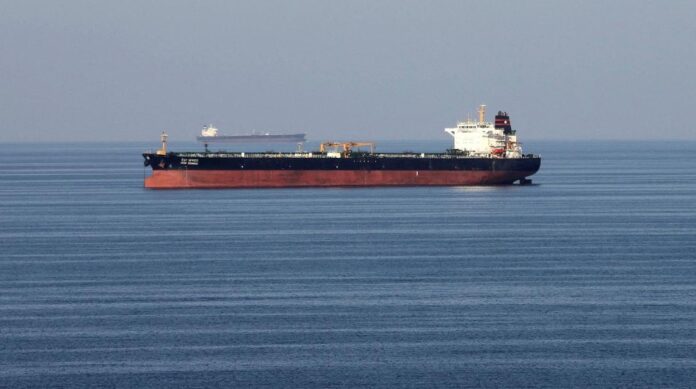
New Delhi, May 11: The prolonged blockade of the Strait of Hormuz amid escalating tensions between Iran and the United States has triggered growing concern across the Indian Ocean Region (IOR), with strategic discussions now emerging around the possibility of similar restrictions being imposed on other critical maritime trade corridors, including the Strait of Malacca and routes linked to the Andaman Sea.
The disruption in one of the world’s most vital oil transit chokepoints has already pushed global oil prices upward and intensified economic concerns among countries dependent on Gulf crude supplies. The crisis has also reignited debate over the vulnerability of international shipping lanes and the broader geopolitical risks associated with control over narrow maritime passages.
The Strait of Hormuz has remained at the centre of the ongoing US-Iran conflict in the Persian Gulf. Recent military activity, including the US-led “Project Freedom” operation aimed at reopening the route, was reportedly paused amid indications of possible diplomatic negotiations between the two sides.

At the same time, discussions surrounding Iran’s reported consideration of levying charges on vessels transiting through its maritime zone have prompted strategic concerns among countries bordering major sea routes across the Indian Ocean Region.
According to reports published by the portal PRF, the developments have sparked conversations among IOR nations on whether similar maritime measures could be adopted elsewhere, particularly in strategically sensitive passages such as the Strait of Malacca.
The report highlighted concerns raised by countries including Singapore and Indonesia regarding the future security and accessibility of international shipping routes. It also noted growing debate over the possibility of sea lanes being “weaponised” through transit fees or restrictions.

Singapore Foreign Minister Vivian Balakrishnan reportedly pointed out the geographical sensitivity of these routes, noting that while the Strait of Hormuz is approximately 21 miles wide, the Strait of Malacca narrows to nearly two miles at certain points. Despite rejecting the idea of imposing transit fees, Singapore reiterated the importance of adhering to Article 44 of the United Nations Convention on the Law of the Sea (UNCLOS), which obligates nations bordering narrow sea passages to avoid suspending transit rights.
Indonesia has also entered the debate amid rising concerns over maritime trade vulnerability. Indonesian President Prabowo Subianto reportedly stated that the Strait of Hormuz significantly influences global oil prices and regional economic stability, while highlighting that nearly 70 per cent of East Asia’s energy requirements and trade pass through Indonesian straits.
The report further stated that Indonesia’s Finance Minister suggested that countries bordering the Strait of Malacca could potentially explore transit fee models similar to those being discussed in relation to Iran.
The developments have also renewed attention on the Andaman region’s strategic importance in global maritime trade. Thailand, according to the report, has begun examining alternatives to reduce dependence on vulnerable sea routes by advancing plans for a land bridge connecting the Andaman Sea with the Gulf of Thailand.
Analysts have warned that if multiple countries begin imposing tolls or restrictions on international shipping lanes, it could significantly increase global trade costs and heighten geopolitical instability across the Indo-Pacific region.
The Indian Ocean Region remains one of the world’s most critical maritime trade zones, comprising nearly 33 nations and handling around 42 per cent of global crude oil movement. For India, approximately 95 per cent of trade by volume and nearly 70 per cent by value passes through the IOR.
Apart from the Strait of Hormuz and the Strait of Malacca, other narrow sea routes including Bab el-Mandeb, the Sunda Strait and the Lombok Strait continue to play a vital role in sustaining global trade and energy movement.