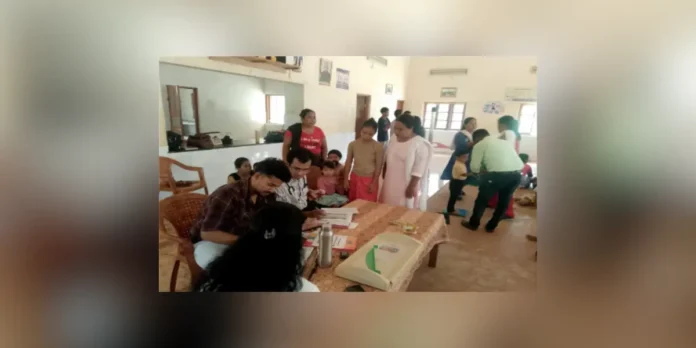
A health screening and awareness programme under the Rashtriya Bal Swasthya Karyakram (RBSK) was conducted in Mus Village of Car Nicobar, focusing on preventive healthcare and hygiene awareness among the local population.
The programme, organised by the Block Development Office of Car Nicobar in coordination with BJR Hospital, formed part of a broader health campaign aimed at improving early detection and intervention of health issues, particularly among children and vulnerable groups.
Officials and field-level functionaries from multiple departments participated in the outreach, including medical officers, cluster coordinators, community resource persons, functional nutrition workers, health workers, and gender CRPs. The presence of multidisciplinary teams facilitated delivery of screening services and awareness sessions across the village.

The initiative is part of an ongoing campaign under FNHW launched on March 11, 2026, and scheduled to continue until March 27, 2026, covering several villages under the Car Nicobar Block. The campaign seeks to strengthen healthcare access through early identification of health conditions and timely referral mechanisms.
During the programme, health screening activities were carried out for children, including measurement of height and weight, general health check-ups, and nutritional assessments. A total of 22 children attended the screening session. Cases identified with health concerns were referred to BJR Hospital for further evaluation and treatment.

In addition to clinical screening, the programme included awareness sessions on health, nutrition, sanitation, and personal hygiene. Demonstrations on proper hand washing techniques were conducted to encourage preventive practices and reduce the spread of communicable diseases within the community.
Officials indicated that such programmes aim to improve health outcomes by combining medical services with community awareness, ensuring that both prevention and treatment are addressed at the grassroots level. The outreach also highlighted the role of community participation in sustaining long-term health practices.
The programme concluded with participation from residents of Mus Village, with organisers noting increased awareness and engagement among attendees regarding health and hygiene practices.