Sri Vijaya Puram, May 12: Mechanised tourist boats operating close to the shoreline, possible fuel seepage from water sports vessels and polluted runoff from nearby dump yards are raising fresh concerns over the deteriorating water quality at Corbyn’s Cove Beach, one of Sri Vijaya Puram’s most accessible public beaches.
Residents and regular visitors say the seawater at parts of the beachfront has turned visibly murky, especially after rainfall and during peak tourist hours. Foul smell has also been reported in some pockets, adding to concerns that untreated waste, sewage discharge and fuel residue may be entering the coastal waters.
Corbyn’s Cove continues to attract heavy tourist footfall and remains a major hub for water sports activities, including jet skiing, speed boat rides and other mechanised marine operations. But residents allege that the rapid growth of such activities has come at an environmental cost.
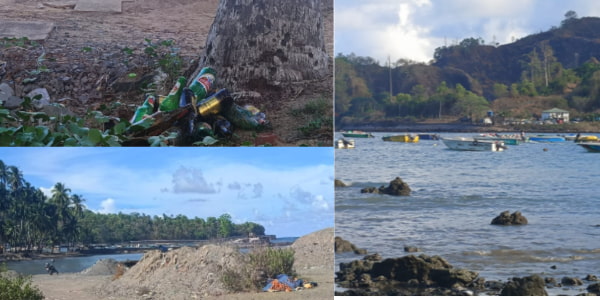
According to locals, the constant movement of mechanised boats near the coast, combined with possible diesel and petrol leakage, oil residue and engine discharge, has visibly altered the quality of the water over time. During busy tourist hours, the sea near the shore often appears churned, cloudy and heavily disturbed.
Some residents who have frequented the beach for years say the difference is becoming increasingly noticeable.
“There was a time when the water here looked much cleaner and clearer. Now during the evenings especially, you can visibly see the murkiness near the shore,” said a local resident who regularly visits the beach.
Concerns have also intensified over untreated runoff entering the sea from surrounding areas.
Wastewater channels and drains around Brookshabad reportedly discharge towards the coastline during heavy rain and high tide conditions. Residents have additionally raised questions over seepage linked to the fecal sludge treatment facility being developed nearby, particularly during the monsoon season when overflow risks increase.
The garbage dumping site located behind the beach area in Brookshabad has further amplified fears of contaminated runoff entering coastal waters during rainfall.
Plastic waste, stagnant polluted water and dirty runoff can now be spotted at several points around the beach surroundings, sharply contrasting with the image of Corbyn’s Cove promoted to tourists.
The situation has become particularly worrying because Corbyn’s Cove occupies a unique place in the social life of Sri Vijaya Puram.
Unlike beaches such as Wandoor and Chidiya Tapu, which are located far from the city, Corbyn’s Cove remains one of the few beaches that residents can access quickly without planning a full-day trip. For decades, it has functioned as the city’s default public beach – a place for evening walks, family outings, school picnics and first swimming lessons for many children growing up in the islands.

Its importance has increased further over the years as fears over crocodile movement in several coastal stretches of the islands have made casual sea access increasingly uncertain elsewhere.
For many families, Corbyn’s Cove remains one of the few beaches where they still feel relatively comfortable approaching the sea.
That is what makes the visible deterioration of the water particularly significant.
The environmental concerns are unfolding even as beautification and tourism infrastructure projects continue under the Smart City Mission. While pathways, seating areas and decorative upgrades have improved the appearance of the beachfront, residents say cosmetic improvements alone cannot protect the beach if the seawater itself continues to deteriorate.
“The beach is not just about lights and pathways. If the water becomes dirty, people will eventually stop entering the sea,” another resident said.
The situation at Corbyn’s Cove also reflects a larger challenge confronting the Andaman and Nicobar Islands, balancing tourism growth with ecological sustainability.

The islands continue to market themselves globally as pristine tropical destinations known for clear waters and fragile marine ecosystems. Yet increasing tourism activity, pressure on coastal infrastructure and gaps in waste management are beginning to leave visible marks on some of the islands’ most frequented beaches.
Residents say authorities must urgently examine the sources of pollution, regulate mechanised water sports activity close to the shoreline and strengthen waste-management systems around the beach area before the damage becomes irreversible.
For now, Corbyn’s Cove continues to draw crowds every evening. Tourists continue boarding jet skis, children continue running toward the shoreline and families continue arriving in search of a brief escape beside the sea.
But beneath the noise of engines and the glow of beachfront lights, the condition of the water is becoming increasingly difficult to ignore.