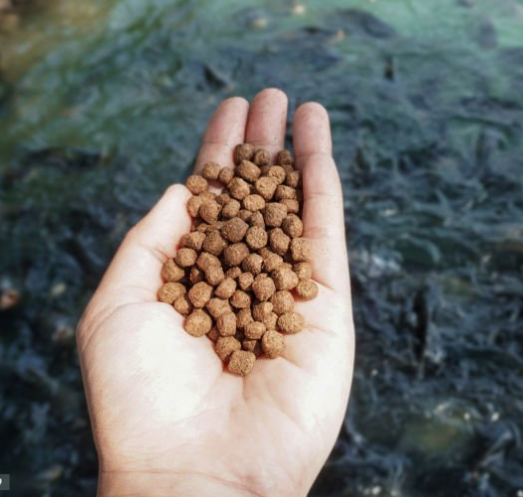
Sri Vijaya Puram, October 24: The Directorate of Fisheries has advised fish farmers, hatchery operators and aquaculture entrepreneurs in the Andaman and Nicobar Islands against using slaughter waste, poultry offal, animal carcasses and other untreated animal-origin waste as feed in aquaculture farms, citing potential risks to fish health, consumer safety and the aquatic environment.
The advisory urges all stakeholders to use quality-assured, nutritionally balanced formulated aqua feeds and follow Good Aquaculture Practices (GAqP), including proper farm hygiene and water-quality management.
According to the department, untreated animal-origin waste can increase the risk of contamination by harmful pathogens, including Salmonella and E. coli. The presence of such pathogens may affect aquaculture systems, while the use of unsuitable feed materials can also contribute to deterioration in water quality.
The department’s warning covers a range of materials, including slaughterhouse waste, poultry offal, animal carcasses and other untreated waste derived from animals. Fish farmers and operators have been asked to refrain from using these materials as feed and to adopt safer, controlled feeding practices.
Aquaculture depends on maintaining suitable conditions for fish growth, including appropriate nutrition and water quality. The quality of feed is therefore an important component of farm management. Using formulated aqua feeds that meet nutritional requirements can help farmers manage feeding practices more consistently than relying on untreated waste materials.
The advisory also highlights the importance of farm hygiene. Appropriate handling and storage of feed, regular attention to water conditions and the maintenance of clean production systems are among the practices covered by the department’s broader emphasis on responsible aquaculture.
The warning has implications for different participants in the aquaculture sector, from individual fish farmers to hatchery operators and commercial enterprises. The department has asked all concerned to follow the advisory and cooperate in promoting hygienic and sustainable farming practices across the islands.
Potential contamination is not limited to the immediate health of fish. The department has also identified consumer safety and the aquatic environment among the concerns associated with the use of untreated animal-origin waste. Maintaining suitable production conditions is important to reducing avoidable risks throughout the aquaculture process.
For consumers, the advisory underscores the relationship between farm-level practices and the safety of aquatic food products. However, the announcement does not report any specific contamination incident, disease outbreak, affected farm or unsafe fish consignment in the islands. It is a preventive advisory rather than a notice identifying a confirmed case.
The Directorate of Fisheries has not specified a deadline for compliance, penalties for violations, inspection arrangements or a list of approved feed brands in the announcement. Farmers requiring technical guidance may need to approach the department for information on suitable feed options and recommended practices relevant to their operations.
The emphasis on Good Aquaculture Practices places responsibility on farm operators to consider nutrition, hygiene and water management together rather than treating feeding as an isolated activity. Consistent application of these measures can help support fish health and the sustainability of aquaculture systems.
The department has urged fish farmers and other stakeholders to follow the advisory and use quality-assured formulated feeds. The announcement forms part of efforts to promote safer, more hygienic and environmentally responsible aquaculture in the Andaman and Nicobar Islands.