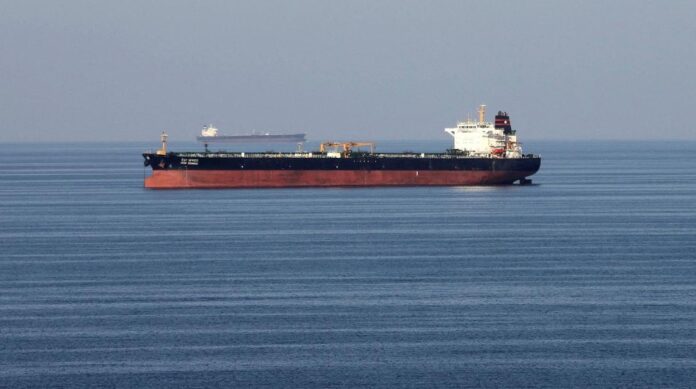
Tehran, Aug 24: Iran has warned that vessels violating its protocols while transiting the strategically important Strait of Hormuz could face fines, detention or confiscation, as Tehran moves to tighten controls over maritime traffic through the waterway.
The Persian Gulf Strait Authority (PGSA), which oversees maritime traffic in the Strait of Hormuz, announced the restrictions on Sunday in a post on X. It said vessels that fail to comply with Iranian transit protocols could face restrictions on future passages, including penalties, detention or confiscation.
The authority also urged cargo owners shipping to and from the Persian Gulf to check its website’s list of “Non-Compliant Vessels” before chartering ships. The advisory is intended to help cargo owners avoid potential problems involving vessels that have been identified as non-compliant.

Separately, Iran’s parliament took steps towards introducing charges for services provided to vessels navigating the Strait of Hormuz. Hassan Qashqavi, spokesman for the parliamentary National Security and Foreign Policy Committee, said the committee had approved an article in a draft plan aimed at safeguarding security in the waterway.
According to Qashqavi, the provision would allow Iran to charge fees for navigation, environmental services, refuelling under special conditions, insurance and safety services it provides in the Strait of Hormuz. The article was approved during the committee’s meeting on Sunday, the semi-official Fars news agency reported.
The developments come amid heightened tensions surrounding the strategically significant waterway and Iran’s wider confrontation with the United States and Israel.
US President Donald Trump has described the Strait of Hormuz as “American territory” while reiterating that Iran would not be allowed to acquire a nuclear weapon. Trump made the remarks at a campaign rally in Myrtle Beach, South Carolina, where he was seeking support for Republican Senate candidate Darlene Graham ahead of Tuesday’s runoff election.
While discussing Iran, Trump said Tehran wanted a deal and referred to the Strait of Hormuz as American territory. He did not provide a legal or territorial basis for that assertion.
Trump also said the conflict with Iran had disrupted his domestic economic programme. He said the United States would have to turn its attention to Iran’s nuclear programme because, in his view, Tehran could acquire a nuclear weapon.

He reiterated that Iran could not be permitted to obtain a nuclear weapon.
Iran had already tightened its control over the waterway on February 28, when it barred safe passage to vessels belonging to or affiliated with Israel and the United States following joint strikes by the two countries on Iranian territory.
The latest measures add another layer to Iran’s restrictions on maritime movement through the Strait, while the proposed service fees would expand the range of charges associated with navigation and other services provided by Tehran in the waterway.