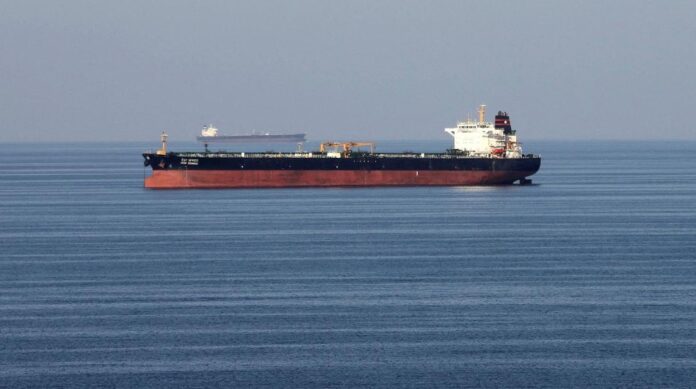
Tehran, Sept. 7: Iran is preparing to designate a restricted maritime zone around the Strait of Hormuz and impose sanctions on ships entering the area without coordination with Tehran, in a move that could further tighten controls over one of the world’s key shipping routes.
Mohsen Rezaei, secretary of Iran’s Supreme National Security Council, said the restricted zone would be announced in the coming days and would stretch from the point where the US naval blockade begins toward the Strait of Hormuz and into the Persian Gulf on the other side of the waterway.
In an interview with state-run IRIB TV broadcast on Sunday night local time, Rezaei said vessels entering the designated area without coordination with Iran would face sanctions affecting their insurance coverage and their ability to use the waterway in the future. He described the proposed measure as part of a wider change in Tehran’s approach to the conflict and diplomacy aimed at increasing pressure on Washington.

Rezaei also rejected US claims that ships and oil tankers continue to cross the Strait of Hormuz, saying the waterway remains completely closed. He alleged that some vessels try to use a route near Oman and switch off their navigation systems to avoid detection.
According to Rezaei, most such vessels are subjected to attacks, although he said Iran currently does not intend to sink them because of concerns over environmental consequences.
The Iranian official also claimed that Tehran had test-fired a domestically developed anti-destroyer missile over a US aircraft carrier for the first time 48 hours earlier. He presented the test as a warning that the US naval blockade could be challenged, claiming the missile caused significant alarm among US forces.
Rezaei said Iran would continue to keep the Strait of Hormuz closed unless the United States takes practical measures to meet its obligations under a peace memorandum of understanding signed by Tehran and Washington in June.

At the same time, he said Iran and Oman would announce a new international corridor for vessels seeking to pass through the strait. Iran, he added, would manage the proposed corridor.
The developments follow restrictions imposed by Tehran on passage through the Strait of Hormuz after US-Israeli strikes on Iran on February 28. US forces subsequently established a naval blockade targeting vessels travelling to or from Iranian ports and coastal areas.
The proposed restricted zone, sanctions threat and new passage corridor outlined by Rezaei indicate that Tehran intends to maintain control over access to the waterway while continuing to use maritime restrictions as part of its broader pressure on Washington.