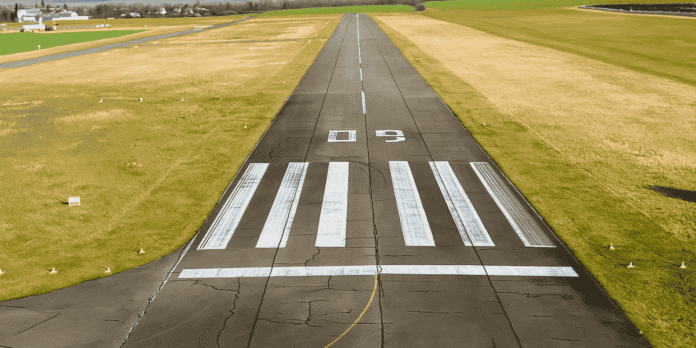
Kolkata, July 20: The Government of India’s decision to shelve the proposed extension of the Indian Navy’s INS Baaz runway at Campbell Bay is expected to delay the tourism growth potential of the Andaman and Nicobar Islands, with officials indicating that the sector may not achieve its full capacity for at least the next five years due to persistent air connectivity constraints.
According to sources in the Andaman and Nicobar Administration, the absence of expanded aviation infrastructure, coupled with high airfares and operational uncertainties at Veer Savarkar Airport in Sri Vijaya Puram, continues to affect tourist arrivals. Officials said these challenges are prompting many travellers to choose international destinations such as Thailand over the Andaman and Nicobar Islands.
Officials stated that the islands are currently receiving only around 60 to 65 per cent of the tourist traffic that can be sustainably accommodated. They pointed to airfare as a key factor, noting that a one-way economy ticket from Kolkata to Sri Vijaya Puram costs around Rs 8,000, while flights from Kolkata to Bangkok are available for approximately Rs 9,000 to Rs 9,500. They also observed that Thailand’s visa-on-arrival facility makes it an attractive alternative for tourists.

Airline operators have also cited operational challenges in maintaining lower fares. According to the report, Indian carriers, including Air India Express, keep ticket prices high because weather conditions at Sri Vijaya Puram can change rapidly, forcing flights to return to the mainland when landings become unsafe.
The report noted that the Andaman and Nicobar Islands currently have no alternative airport capable of handling commercial aircraft if operations at Veer Savarkar Airport are disrupted. The existing 4,500-foot runway at INS Baaz in Campbell Bay cannot accommodate Boeing 737 or Airbus A320 aircraft commonly used on mainland-Andaman routes.
For more than a decade, officials in the Andaman and Nicobar Administration and the Andaman and Nicobar Command have advocated extending the Campbell Bay runway and creating basic passenger infrastructure to support temporary civilian stopovers. They believe improved aviation infrastructure would strengthen tourism while enhancing connectivity across the island chain.
The Central Government has, however, decided not to proceed with the runway extension, citing environmental concerns, tribal welfare considerations and navigational issues. Instead, attention has shifted to the proposed civil-military greenfield airport at Chingen near Galathea Bay under the Great Nicobar Project.

The proposed airport, estimated to cost Rs 13,000 crore, is scheduled to become operational in 2031. However, officials indicated that the timeline could be affected because large infrastructure projects in the islands depend heavily on manpower, construction materials and equipment transported from the mainland. They also noted that environmental concerns and issues relating to local tribal communities continue to remain under discussion despite necessary clearances.
Officials further maintained that extending the Campbell Bay runway before developing the Galathea Bay airport would have provided additional operational flexibility for civilian flights and could have contributed to reducing airfare while improving connectivity to the islands.