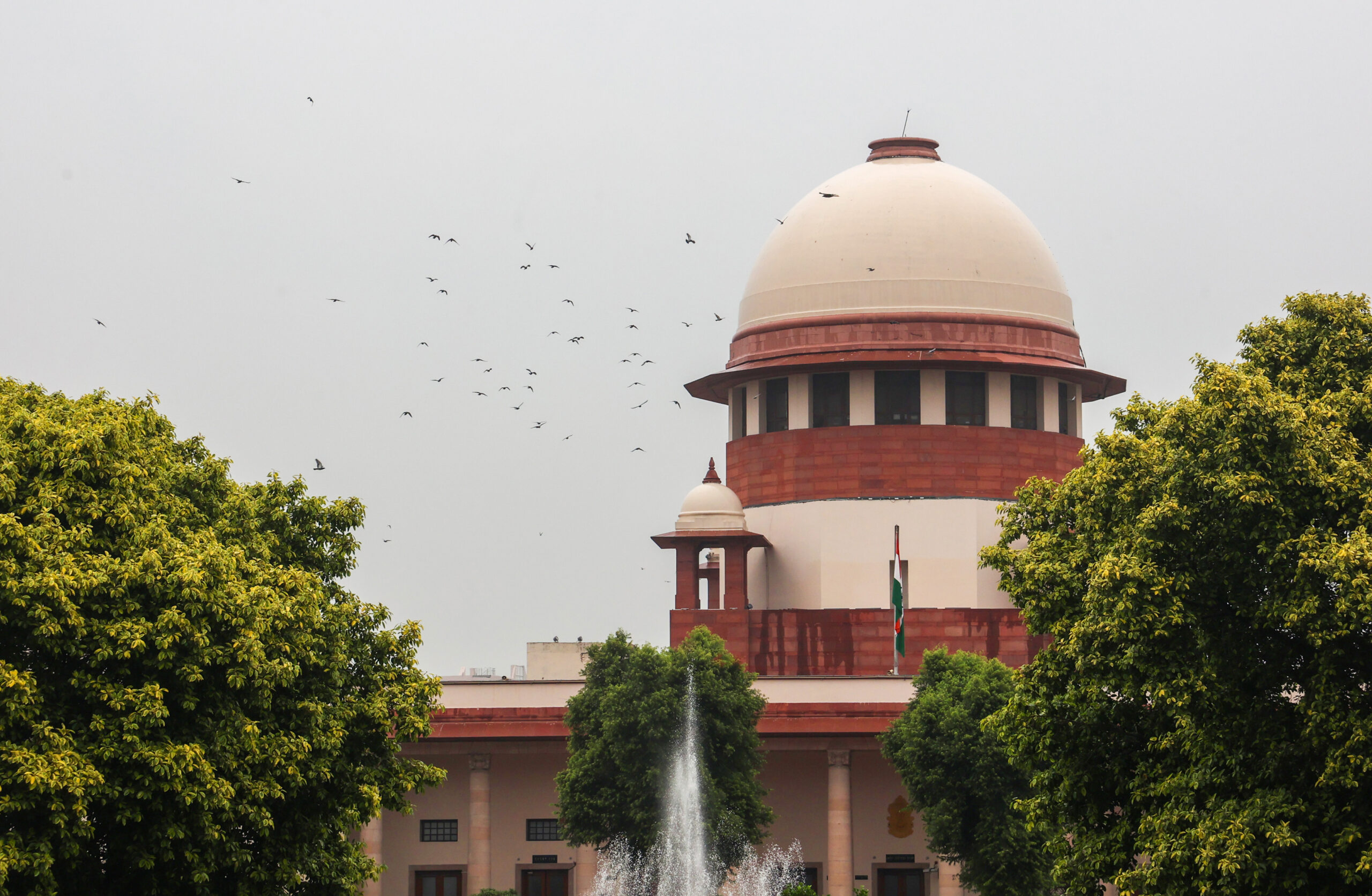
The Union Ministry of Information and Broadcasting is in the final stages of preparing a regulatory framework to address explicit and harmful content on social media platforms, the Centre informed the Supreme Court on Thursday. The government requested an additional four weeks to finalise the guidelines, which will be placed in the public domain for suggestions from citizens, experts, and stakeholders.
The CJI Surya Kant-led Bench, also comprising Justice Joymalya Bagchi, is hearing petitions filed by YouTubers including Ranveer Allahbadia and Ashish Chanchlani, facing FIRs over allegedly obscene and offensive remarks made during the controversial show India’s Got Latent. The Apex Court emphasised that existing legal provisions may require amendments to ensure meaningful oversight of online content.
Solicitor General Tushar Mehta, appearing for the Centre, noted the challenges posed by unregulated online speech. “Before dealing with obscenity, we must first address wrongful acts. Anyone can create a YouTube channel and say anything under the garb of free speech, and the law is helpless. That cannot continue,” he told the Court.

The Bench suggested that the Centre explore the feasibility of an autonomous regulatory body to monitor online content, raising concerns over the intrusive nature of digital platforms. “Obscenity can appear in books or paintings and can be restricted. But when you switch on your phone and unwanted content is forcibly pushed at you, what is the remedy?” the Court asked.
The Supreme Court also highlighted the need for stricter penalties against derogatory or insensitive depictions of persons with disabilities. The Bench drew parallels with the SC/ST (Prevention of Atrocities) Act, urging the government to consider a strong legal mechanism to deter mockery or insults aimed at disabled individuals. “Highly sensitive issues are being mocked. Why shouldn’t there be a strict law to protect disabled individuals from such humiliation?” the Court remarked.
This hearing follows earlier instances where the Supreme Court reprimanded stand-up comedians including Samay Raina, Vipul Goyal, Balraj Paramjeet Singh Ghai, Sonali Thakkar, and Nishant Tanwar for insensitive jokes about a two-month-old infant with spinal muscular atrophy (SMA). The Court had directed them to issue public apologies on social media.
The Supreme Court underlined that freedom of speech under Article 19 cannot override the right to dignity guaranteed under Article 21, indicating a move towards comprehensive guidelines regulating harmful, obscene, or offensive social media content in India.