The District Health Society of South Andaman organised an outreach Reproductive and Child Health (RCH) camp alongside an Ayushman Arogya Shivir on March 28 under the 100-Day TB Mukt Bharat Campaign, targeting maternal, child, and community health services in island health centres.
The initiative, conducted under the UT Health Mission of the National Health Mission, was coordinated with the Directorate of Health Services and Swastiya Medical Centre. The programme was implemented under administrative direction from the district authorities, focusing on strengthening last-mile healthcare delivery and early disease detection.
As part of the outreach, specialist doctors, including a gynecologist and a pediatrician from Swastiya Medical Centre, carried out medical screening at primary health facilities with support from in-charge medical officers, doctors, and paramedical staff. The camp covered a range of services, including antenatal care, general gynecological consultations, and pediatric assessments.

Officials confirmed that 23 antenatal care beneficiaries underwent screening, including ultrasound examinations. In addition, 10 general gynecology cases were examined, while 24 children received medical evaluation during the camp. The outreach also integrated tuberculosis screening, with chest X-ray examinations conducted to support early identification of TB cases under the national elimination campaign.
The intervention formed part of a broader public health effort to integrate maternal and child health services with communicable disease surveillance, particularly tuberculosis, which remains a priority under national health programmes.
Separately, a field visit was carried out to assess healthcare infrastructure and service delivery at a primary health centre in Shaheed Dweep. During the inspection, officials reviewed existing facilities and directed that available infrastructure be utilised more efficiently. Instructions were also issued to initiate approved upgradation works at the earliest to address gaps in service delivery.
Authorities indicated that infrastructure optimisation and timely execution of sanctioned projects are critical to improving healthcare access in geographically remote island regions, where resource constraints often affect service outcomes.

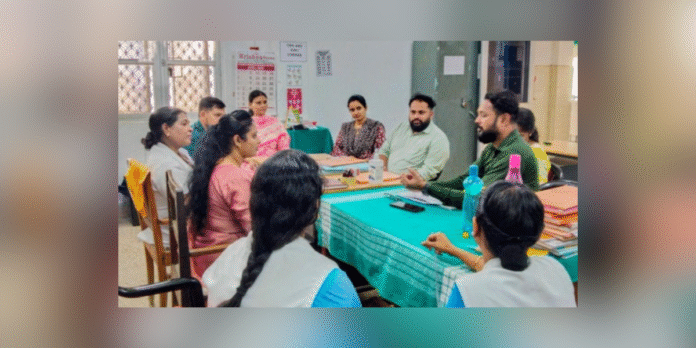
In parallel, an orientation-cum-meeting was conducted with Jan Arogya Samitis at health centres in Swaraj Dweep and Shaheed Dweep to strengthen community participation in health governance. The engagement aimed to enhance accountability and encourage local involvement in monitoring and improving public health services.
A Kayakalp assessment was also undertaken at both primary health centres to evaluate cleanliness, infrastructure standards, and service quality. The assessment, conducted with designated health officials, identified facility gaps and triggered follow-up actions to improve operational standards and patient care.
Officials stated that such integrated outreach programmes are essential to bridging service gaps, especially in remote island settings, by combining preventive, diagnostic, and community-based healthcare approaches.