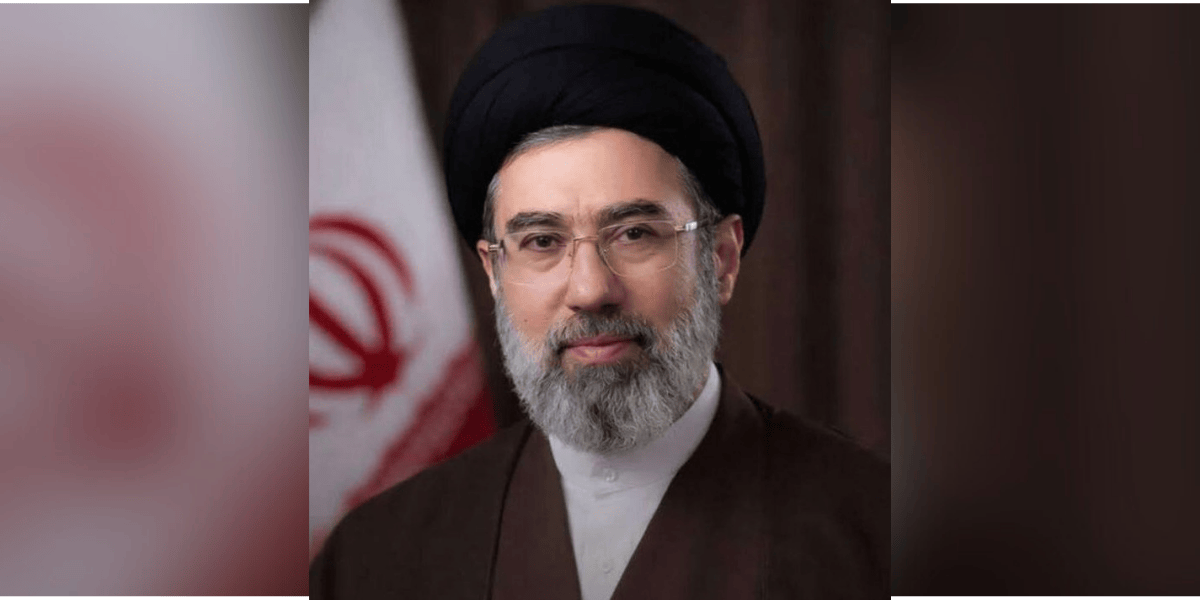
Iran has declared the coming week as the “Week of National Unity and Solidarity,” emphasizing the need for cohesion among its population as tensions escalate in the Strait of Hormuz. The announcement was made by First Vice President Mohammad-Reza Aref, who cited guidance from Iran’s new Supreme Leader Mojtaba Khamenei in framing the initiative.
Aref noted that the move underscores the role of public presence and national unity as essential pillars of the country’s security and strategic power. The initiative comes shortly after Khamenei’s first message as Supreme Leader, which called for citizens to maintain collective strength amid regional instability.

In parallel, Iran’s permanent representative to the United Nations, Amir Saeid Iravani, addressed concerns regarding maritime security. He affirmed Iran’s commitment to freedom of navigation under international law but emphasized that recent regional tensions, particularly in the Strait of Hormuz, are the result of actions by the United States rather than Iran’s lawful defense measures.
Iravani highlighted that Iran considers it its “inherent right” to safeguard peace and security in the critical maritime passage. The Strait of Hormuz, a vital conduit for global oil shipments, remains a focal point for regional military and geopolitical maneuvering.
The administration’s call for national unity coincides with heightened rhetoric from Iran’s new Supreme Leader, who reiterated the continued strategic leverage of the Strait of Hormuz. Khamenei stated that the ability to block the passage remains a necessary tool in Iran’s regional posture.
International tensions have escalated following attacks in late February, when Israel and the United States conducted strikes on Tehran and multiple other Iranian cities. The strikes reportedly resulted in the death of the previous Supreme Leader Ali Khamenei, senior military officials, and civilians, prompting Iran to retaliate with missile and drone strikes targeting US and Israeli bases across the Middle East.

The current developments illustrate Iran’s focus on consolidating domestic support while projecting power in the region. Officials emphasize that national unity and citizen participation are central to strengthening Iran’s strategic resilience. The declaration of National Unity Week also signals a continued response to perceived external threats and underscores Tehran’s determination to maintain control over the Strait of Hormuz, a strategic chokepoint influencing global trade and energy markets.
Analysts note that the initiative is both symbolic and strategic, linking domestic solidarity with broader geopolitical objectives. Iran’s messaging reflects ongoing tensions in the Gulf region, where freedom of navigation and international security remain key points of contention among regional and global actors.