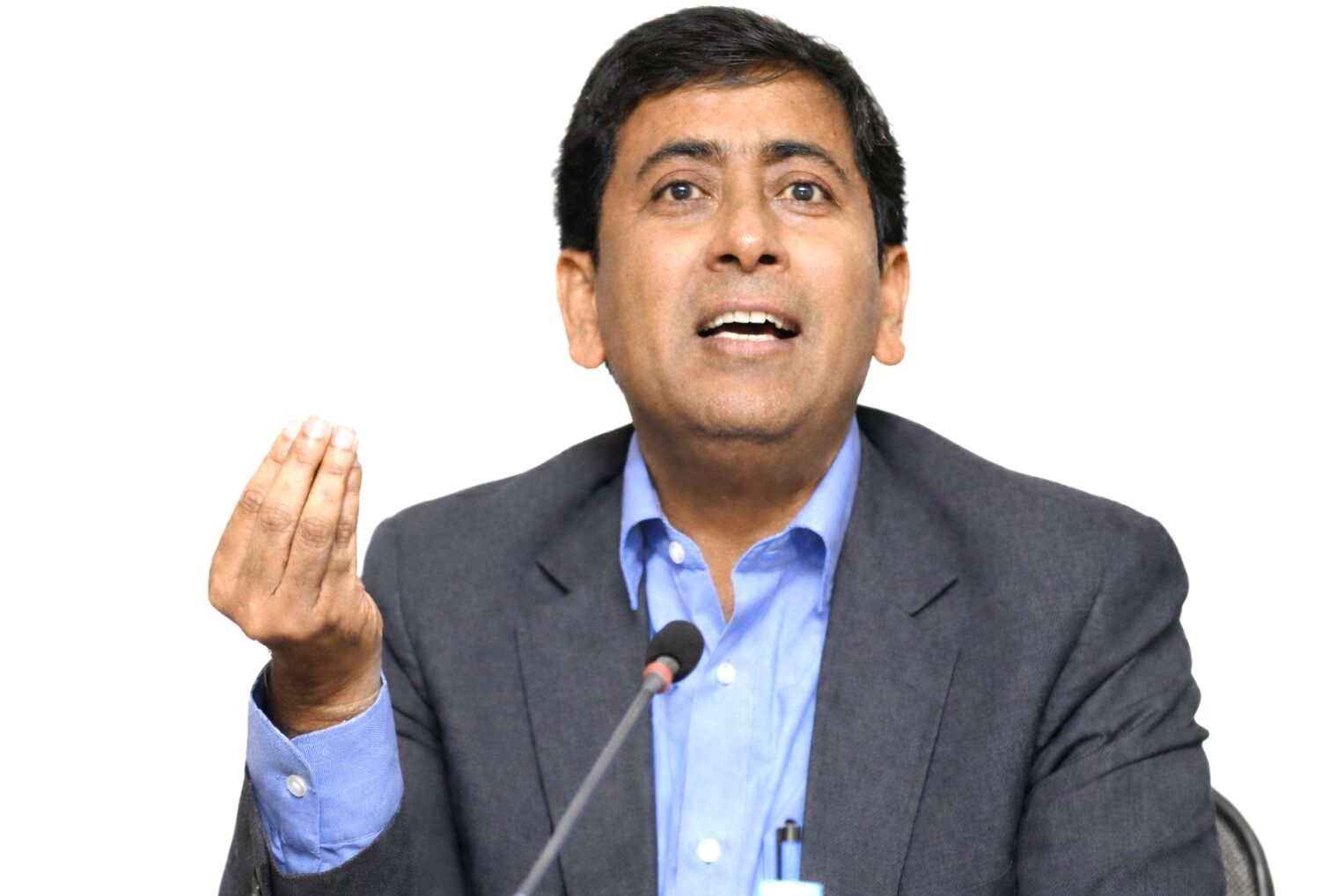
Development planning, infrastructure gaps and long-pending civic concerns in Diglipur came under review during a high-level administrative meeting chaired by Chief Secretary Chandra Bhushan Kumar during his visit to Diglipur on Wednesday.
The meeting brought together members of Panchayati Raj Institutions and senior officials from multiple line departments, including the Deputy Commissioner of North and Middle Andaman district, the Superintendent of Police, the Chief Engineer of the Andaman Public Works Department and the Assistant Commissioner of Diglipur. A range of issues affecting residents and local development projects were discussed, with directions issued for quicker resolution and improved coordination between departments.
One of the key areas highlighted during the discussions was the need to expedite land conversion cases that have remained pending for years. Officials noted that delays in converting land for legitimate residential, commercial and community uses had slowed several development initiatives across parts of the islands. With the recent resumption of the conversion process through digital systems, the administration indicated that the backlog could be addressed more efficiently. The online land management platform Dweep Bhoomi was cited as a tool expected to streamline approvals and simplify procedures for landowners seeking conversion permissions.

Long-term planning for the Diglipur region also formed an important part of the deliberations. The administration is working toward preparing a comprehensive master plan that would guide the area’s development over the next three decades. The Chief Secretary emphasized that the process should incorporate the views of local stakeholders to ensure that the final framework remains practical and responsive to ground realities. The proposed master plan is expected to provide a structured approach for managing population growth, infrastructure expansion and environmental considerations while balancing development needs with sustainability.
Renewable energy adoption was also discussed during the meeting. Officials were asked to identify government buildings suitable for installing solar rooftop systems. The initiative is expected to reduce dependence on conventional energy sources and contribute to the broader push toward cleaner energy in the islands. By utilizing available rooftop spaces across government establishments, the administration aims to expand solar capacity without requiring additional land.
Water availability and conservation emerged as another major issue during the review. Diglipur and several other parts of the islands experience seasonal water shortages, prompting discussions on alternative storage and conservation strategies. Among the measures examined was the use of ring wells constructed by Panchayats as supplementary water sources. The Chief Secretary directed the Andaman Public Works Department to undertake a comprehensive mapping of these ring wells to assess their water availability and quality. The assessment is expected to help authorities determine how these sources could be strategically used during periods of scarcity to support essential community needs.
Ensuring safe drinking water also featured in the discussions. The administration asked the public works department to demonstrate the use of field testing kits across Panchayats, government institutions and schools. The objective is to enable residents and local bodies to check water quality and maintain safety standards at the community level.
Local governance bodies were also tasked with examining solutions to the issue of stray cattle. Panchayati Raj Institutions were asked to assess the feasibility of establishing gaushalas and identify volunteers who could be trained in animal capture and management methods to address the growing concern.

Power supply challenges in the northern islands were also raised during the meeting. Officials noted that the upcoming grid connectivity project linking North and Middle Andaman is expected to significantly improve electricity availability for residents and businesses in the region.
Beyond infrastructure, the meeting also touched on community development initiatives, including the role of sports in youth engagement. Officials highlighted that strengthening sports infrastructure and encouraging participation could contribute to youth development and social cohesion.
The review concluded with an emphasis on coordinated governance and sustained development efforts in Diglipur, with the administration reiterating its intent to address local issues through continuous engagement with Panchayats and departmental authorities.