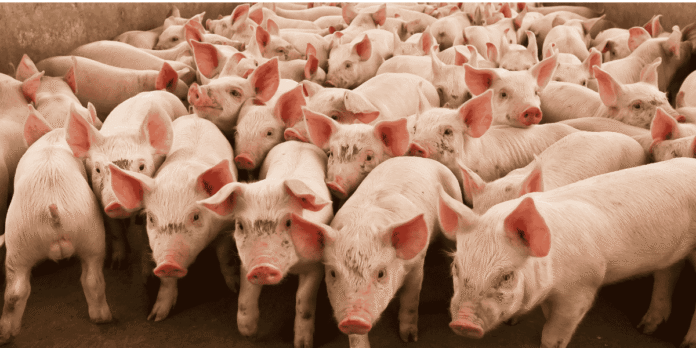
Sri Vijaya Puram, October 9: Car Nicobar will maintain restrictions on the movement of pigs and pork products as authorities step up measures to control Classical Swine Fever (CSF), following reports of pig deaths across villages. The Animal Husbandry and Veterinary Services Department has placed an indent for 20,000 vaccine doses and will launch a special vaccination drive once the supply arrives.
The measures were discussed at a high-level meeting on October 7, chaired by the Deputy Commissioner, Nicobar, at the Deputy Commissioner’s Conference Hall. Officials reviewed reported pig mortality, ongoing surveillance and disease-control efforts, and finalised further steps to contain the outbreak.
Dr. Debalina Mitra, Director of Animal Husbandry and Veterinary Services, said vaccination against CSF had previously taken place in Car Nicobar but was discontinued after the island remained without reported cases for nearly two decades. The department will deploy special vaccination teams across the island when the new vaccine supply arrives, with Tribal Captains asked to facilitate the vaccination of eligible pigs in their villages.

Mitra also clarified that Classical Swine Fever is not zoonotic and does not pose a direct threat to humans. She urged residents to avoid unnecessary panic and follow prescribed surveillance, biosecurity and disease-control measures.
The restrictions will remain in place until the situation comes under control. Pig owners have been advised against selling or transporting sick or suspected infected pigs, pork or carcasses, while newly purchased pigs should not be introduced into existing herds without veterinary advice.
Dr. Baljit Kaur, Zonal Officer, Animal Husbandry and Veterinary Services, Car Nicobar, briefed the meeting on reported deaths in different villages and the department’s response. Measures already undertaken include field surveillance, verification of reported mortalities, disease investigations, sample collection, public awareness activities, veterinary support and safe carcass disposal.
Authorities will conduct a second round of awareness campaigns in all villages. Officials will translate the public advisory into Nicobari and circulate it widely, while a mobile vehicle will make public announcements across the island.
The administration also plans to constitute a Village-Level Task Force in every village to coordinate monitoring and reporting. Tribal Captains have been asked to recheck and verify mortality figures, as some pigs are reared in forest areas and may not be readily available for physical verification.
The department has been directed to coordinate with Village Captains to ensure safe carcass disposal and arrange lime, bleaching powder and other disinfectants. It will also maintain adequate medicine stocks for supportive treatment.

The meeting included Dr. Mitra, Deputy Commissioner (Livestock Health), Department of Fisheries, Animal Husbandry and Dairying, Government of India, departmental officials, Tribal Captains of Car Nicobar and representatives of concerned departments. Dr. Sujata Hegde, Joint Director, Animal Husbandry and Veterinary Services, welcomed participants.
Officials also stressed the need to protect the Nicobari pig, a registered indigenous breed of India, while carrying out disease-control measures.
Pig owners and villagers have been urged to report suspected cases immediately to the nearest veterinary personnel. Warning signs include high fever, loss of appetite, weakness, diarrhoea, skin discolouration, coughing and sudden death. Authorities have also advised owners to keep pig sheds clean and restrict unnecessary visitor access.
Early reporting, restricted animal movement and cooperation with vaccination and surveillance teams remain central to the island’s containment efforts.