Inside the sprawling workshops of Chennai’s Integral Coach Factory (ICF), sparks from welding torches and the steady hum of industrial machinery form the backdrop to one of India’s most ambitious railway manufacturing stories. Among the thousands of workers involved in building the country’s most modern trainsets are women who are steadily transforming the landscape of railway manufacturing and contributing to India’s broader railway modernization drive.
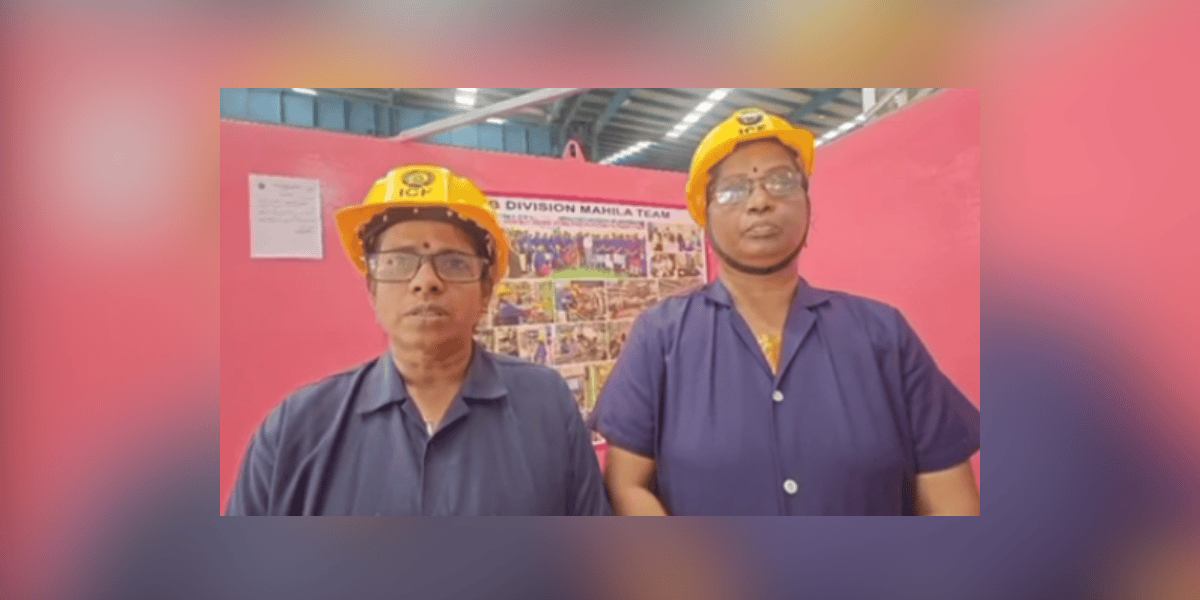
During an exclusive interaction with The Wave Andaman, women workers at the facility spoke about their role in the manufacturing of Vande Bharat coaches, a process that combines precision engineering, heavy fabrication and complex electrical integration.
Spread across nearly 511 acres in Perambur, the factory employs more than 9,000 workers and staff, making it one of the largest rail coach manufacturing units in the world. Since its establishment in 1955, the facility has produced more than 79,000 railway coaches, ranging from conventional passenger coaches to advanced trainsets.
In recent years, the factory has gained national prominence for designing and manufacturing the Vande Bharat trainsets, initially known as Train-18, India’s first indigenous semi-high-speed train.

Women workers today account for nearly 10 percent of the workforce at the factory, and their presence is visible across several technical divisions of the plant.
According to employees who interacted with The Wave Andaman, women are deployed across multiple departments including shell manufacturing, electrical sections, furnishing divisions and logistics operations. Within the production ecosystem, many of these workers operate as part of “Mahila Shakti” teams that include women participating directly in the manufacturing process.
Earlier reports indicate that more than 130 women employees are engaged in technical roles such as fabrication, welding, fitting and electrical harnessing. Contrary to common perceptions that industrial manufacturing roles are largely male dominated, women workers at the factory handle several core tasks on the shop floor.
These include marking metal components, assisting in structural fabrication, drilling, electrical wiring and interior assembly of railway coaches. In certain units, women are also involved in stitching rexine seat covers, preparing interior components and contributing to the final finishing of the trainsets. Gauri Bai, working in the underframe section, said she manufactures various types of coaches, including AC, metro, and fridge coaches. She added that her work involves marking components, drilling holes and assisting in welding-related tasks. “We get full support for materials and safety while performing marking and welding tasks,” she said.
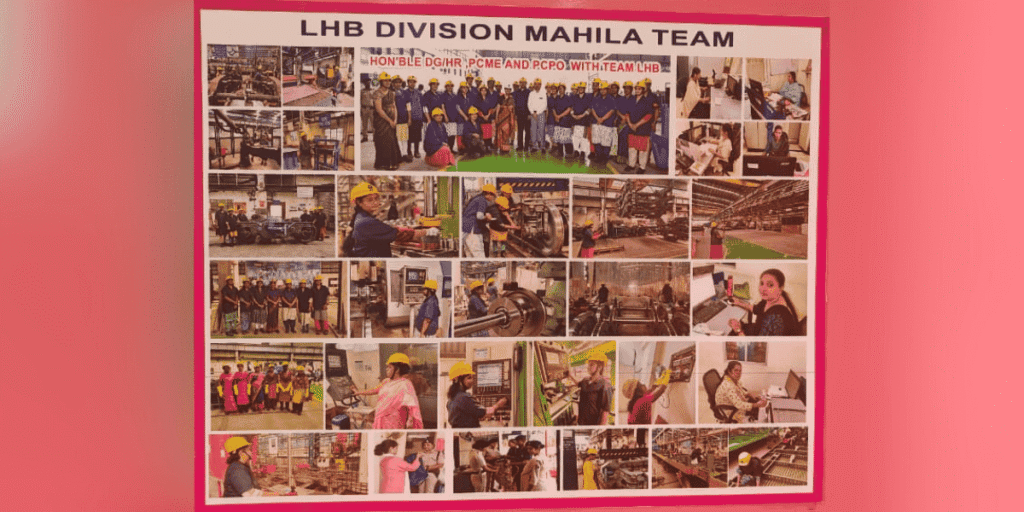
In fabrication divisions where the steel structure of a coach is built, teams of welders and fitters work on assembling the underframe, the structural base of the coach. Women workers form part of these technical teams, handling tools and performing tasks that require precision and physical endurance.
Employees noted that operational teams typically consist of a mix of male and female workers working together across different stages of coach production. When it comes to manufacturing tasks, work assignments are largely similar regardless of gender.
The role of women becomes particularly significant in the context of Vande Bharat manufacturing. The trainsets require coordination across multiple divisions of the factory, from shell fabrication and bogie assembly to electrical installation and interior furnishing.
Since the introduction of the first Vande Bharat train in 2019, the Chennai facility has produced hundreds of Vande Bharat coaches, with production expanding rapidly in recent years. In the financial year 2024–25 alone, the factory manufactured 21 Vande Bharat rakes comprising 392 coaches.
Overall, the factory produces more than 3,000 railway coaches annually, including LHB coaches, EMU trainsets and the modern Vande Bharat coaches.
For many workers, contributing to the Vande Bharat project has become a matter of pride. The trainsets have emerged as a symbol of India’s railway modernization drive and are now operating across multiple routes across the country.
Beyond the shop floor, the facility has also introduced support systems aimed at encouraging women’s participation in the workforce. According to Pavitra, among these is a Creche facility that helps reduce the stress of balancing professional responsibilities with family commitments, enabling women to continue working in what is often a demanding industrial environment.
As India expands its network of semi-high-speed trains, the workshops of the Integral Coach Factory remain at the centre of the country’s rail manufacturing ecosystem.
Within those workshops, women workers operating welding machines, handling fabrication tools and assembling coach components are quietly contributing to the trains that now symbolize India’s technological progress.
Each Vande Bharat coach that rolls out of the Chennai factory carries the effort of thousands of workers. Among them are women who are steadily redefining the boundaries of industrial manufacturing and strengthening the story of empowerment on the shop floors of one of India’s most iconic railway production units.