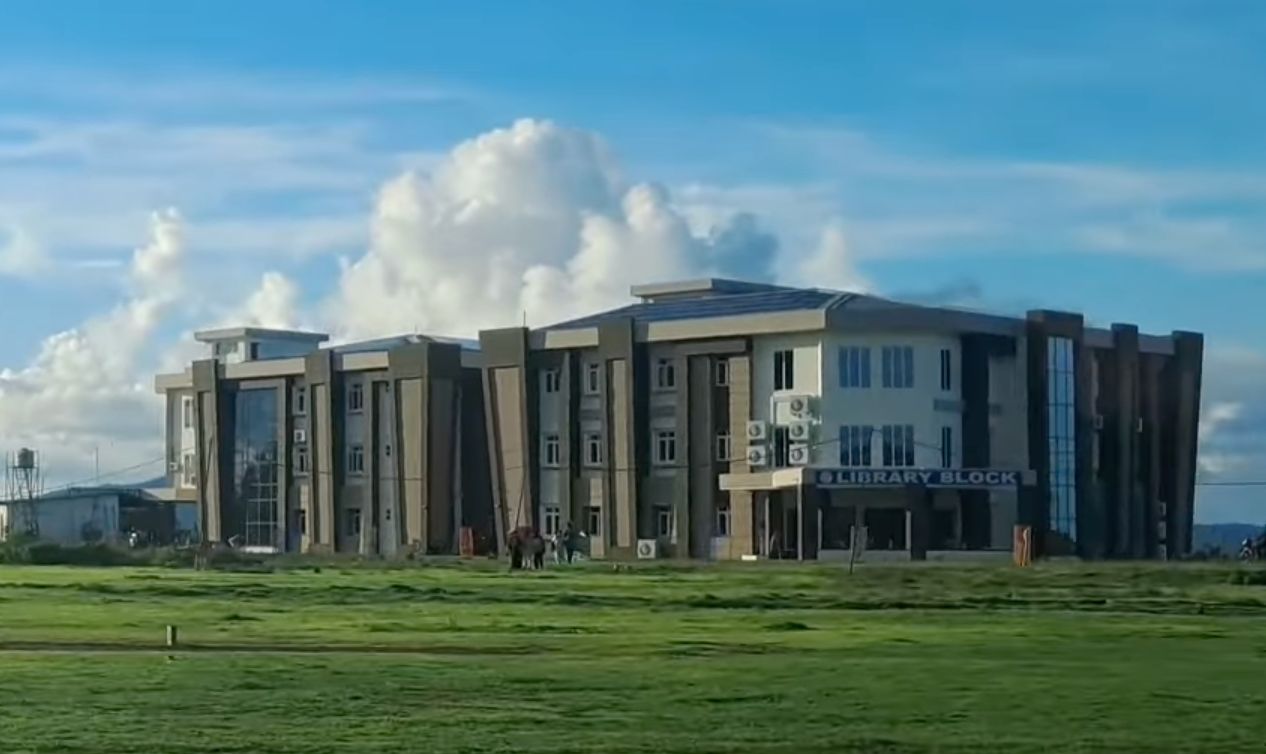
A persistent gap in the medical education system of the Andaman and Nicobar Islands has come under scrutiny as valuable MBBS seats at the Andaman and Nicobar Islands Institute of Medical Sciences (ANIIMS) continue to remain unfilled under the All India Quota (AIQ). Despite the high demand for medical seats among local students, unclaimed AIQ seats are not reallocated, leading to a permanent loss of academic opportunities for aspiring doctors.
In a letter to the administration dated September 2, it was pointed out that the recurring wastage of medical seats represents more than just an administrative lapse. With thousands of young people across the islands preparing for competitive medical entrance exams each year, even a few lost seats translate into significant setbacks for deserving candidates. Families invest considerable time and resources into medical coaching, only to see chances slip away due to procedural gaps in seat allocation.
The concern has wider implications for the region’s healthcare system. The Andaman and Nicobar Islands continue to face a chronic shortage of doctors and specialists, particularly in rural and remote areas. Hospitals often operate with limited staff, and patients are referred to mainland facilities for advanced care. The loss of MBBS seats at ANIIMS only deepens this shortage, as it reduces the potential supply of trained professionals who could eventually serve the islands.

Several states and Union Territories have already devised mechanisms to address the issue. When AIQ seats go vacant after the central counselling process, they are surrendered back to the state pool and offered to local candidates. This ensures that valuable educational infrastructure is not wasted and that deserving students have a chance to pursue careers in medicine. The absence of such a policy in the islands has left candidates frustrated, as opportunities vanish despite clear demand and institutional capacity.
The situation is especially troubling in the context of ANIIMS, which was established precisely to strengthen local healthcare and provide island students with access to medical education closer to home. If seats remain unutilized, the very purpose of the institution comes under question. Without corrective measures, ANIIMS risks underdelivering on both educational and healthcare fronts.
The issue is also seen as one of fairness. Candidates from the islands face geographical disadvantages compared to their mainland peers, with limited coaching facilities and fewer opportunities for exposure. For them, every seat matters. The failure to reallocate vacant AIQ seats adds another barrier to their already challenging journey. Many students end up seeking costly alternatives outside the islands, putting additional financial strain on families.
The communication to the administration emphasized the urgency of engaging with central education authorities and the Medical Counselling Committee to allow reallocation of unfilled AIQ seats. Such dialogue has already yielded results in other states, where timely interventions have prevented wastage of seats. The same approach must be applied to ANIIMS to optimize resources and support local aspirations.
Beyond education, the potential benefits extend to public health. If more island students are able to secure MBBS admissions locally, the likelihood of them serving in regional healthcare systems increases. This could help bridge the doctor-patient gap, particularly in underserved areas. By contrast, every lost seat represents a missed chance to strengthen the islands’ fragile healthcare framework.
The concern was formally raised by the Andaman and Nicobar Territorial Congress Committee, which called for urgent action to reallocate vacant AIQ seats. The appeal framed the issue as both an educational and social justice matter, noting that medical education should be maximized to meet the needs of the islands’ youth and communities.
For the students, the demand is straightforward: no seat should go wasted. In a region where opportunities are limited and the need for doctors acute, ensuring that every MBBS seat at ANIIMS is filled could have far-reaching consequences for both education and healthcare.