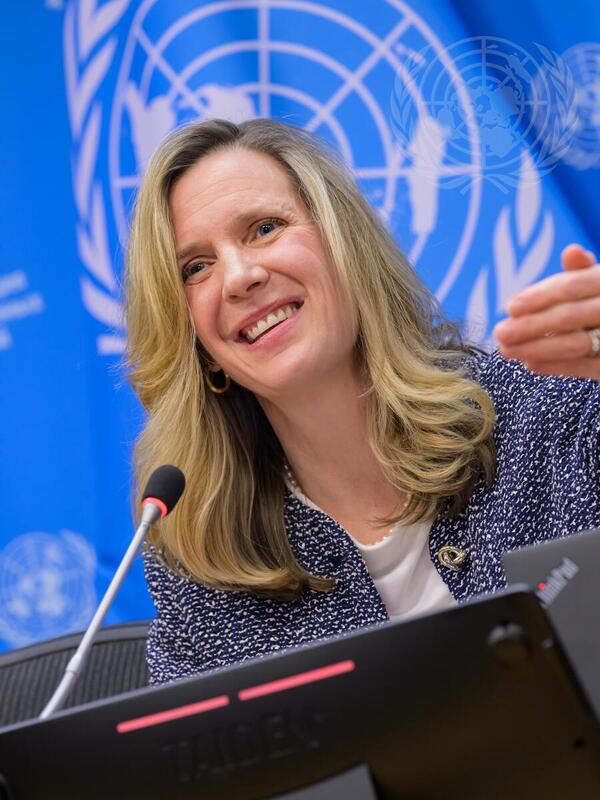
A senior official of UN Women has described India’s financial inclusion programme that brought banking services to more than 290 million women as a global model for advancing economic empowerment among women and girls. The recognition comes ahead of the upcoming meeting of the United Nations’ principal gender equality forum.
Speaking in New York, Sandra Hendriks, Director of Policy at UN Women, said India’s initiatives in digital identification and financial inclusion demonstrate how policy frameworks can significantly expand access to economic opportunities for women. She pointed to the country’s efforts in enabling digital identification for women and girls and simplifying access to bank accounts as examples that could guide similar initiatives globally.
India’s financial inclusion effort is anchored in the Pradhan Mantri Jan Dhan Yojana, launched in 2014 to expand banking access to unbanked populations. Now in its twelfth year, the programme has resulted in women holding around 56 per cent of the total bank accounts opened under the scheme, according to available data.
The expansion of financial services to women has been supported by the country’s biometric identification system, Aadhaar, which provides a universal digital identity platform enabling citizens to access a range of government services and financial facilities. Hendriks noted that the widespread adoption of digital identification among women and girls in India represents a significant step towards bridging gaps in financial access.
She emphasised that digital financial inclusion can play a transformative role in enabling women to participate more actively in economic life. Access to bank accounts allows women to receive government benefits directly, manage personal finances independently and pursue entrepreneurial activities.
The comments were made ahead of the 70th annual meeting of the Commission on the Status of Women, scheduled to take place next week. The session will bring together policymakers, international organisations and civil society representatives to review progress and challenges in advancing gender equality worldwide.
According to Hendriks, India’s model demonstrates how legislative and policy measures can reshape opportunities for women. Simplified banking requirements and the integration of digital identity systems have made it easier for women to open accounts and participate in the formal financial system, she said.
A report released in advance of the meeting by António Guterres highlighted broader global challenges in achieving gender equality. The report noted that women worldwide possess about 64 per cent of the legal rights available to men, with discriminatory legal frameworks continuing to persist in many countries.
The document emphasised that progress toward equality requires stronger access to justice and legal protections for women and girls. It underscored the need for legal frameworks that promote non-discrimination, equality and inclusive participation in economic and social systems.
Global discussions at the forthcoming commission meeting are expected to focus on policy approaches that can expand women’s access to justice, financial resources and decision-making platforms. Within this broader debate, India’s financial inclusion programme has been cited as an example of how coordinated policy measures and digital infrastructure can accelerate economic participation among women at scale.
With hundreds of millions of women now integrated into the banking system through the Jan Dhan initiative, international observers say the programme illustrates how targeted policy design can help reduce financial exclusion and strengthen women’s economic independence.