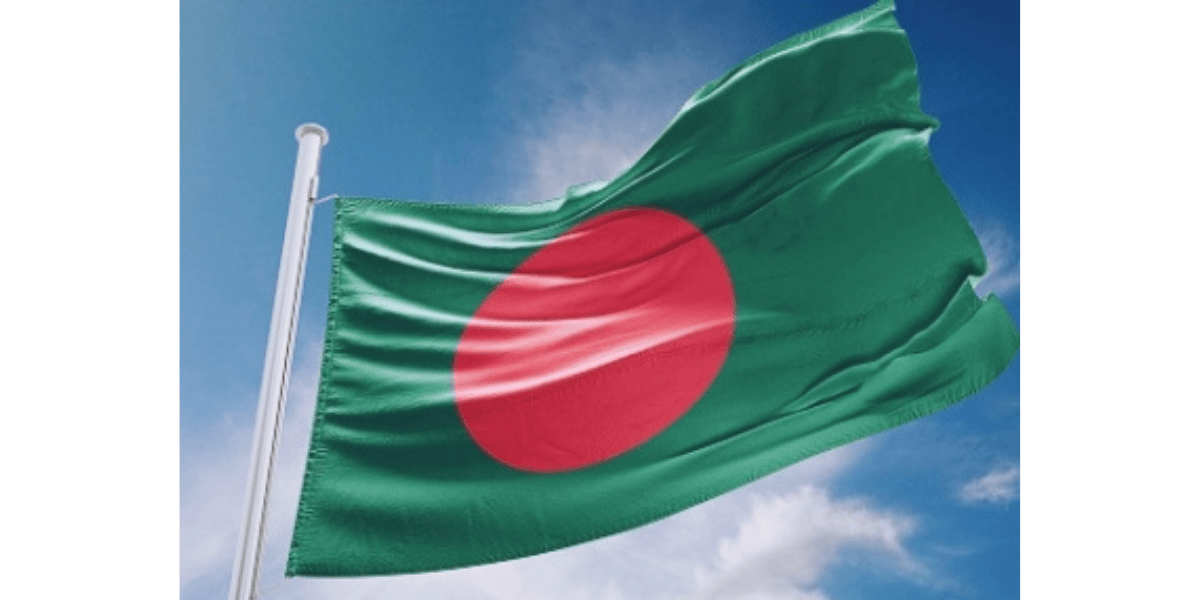
As Bangladesh heads towards its scheduled national elections in February 2026, concerns over democratic legitimacy have intensified, with four United Kingdom parliamentarians warning that the polls cannot be considered free or democratic without the participation of all major political parties. At the same time, India has outlined a people-centric and inclusive global vision as it prepares to assume the BRICS chairship in 2026, underlining the growing emphasis on democratic participation, cooperation and global welfare across international platforms.
In a joint statement, UK MPs Bob Blackman, Jim Shannon, Jas Athwal and Chris Law expressed serious concern over restrictions imposed by the Muhammad Yunus-led interim government in Bangladesh, particularly the banning of widely supported political parties ahead of the February 12 elections. The lawmakers said such actions disregard guidance from the United Nations, the UK and other longstanding allies of Bangladesh, and warned that elections conducted without broad political participation cannot be described as democratic.
The British parliamentarians noted that the upcoming polls will be the first national elections since the formation of the interim government in 2024, following the ouster of the Sheikh Hasina-led Awami League government. Describing the moment as a critical juncture for the country, they said Bangladesh stands at a crossroads where the choices made now will determine its political stability and economic future.

“All right-minded people hope that these polls will contribute to a just, stable, and prosperous Bangladesh, but that will best be achieved if the election is genuinely participatory and preferably endorsed by impartial international observers,” the MPs said. They cautioned that without free, fair and inclusive elections, millions of ordinary Bangladeshis risk being disenfranchised and may simply choose not to vote.
The statement also pointed to Bangladesh’s long-standing political polarisation, acknowledging that all major parties bear some responsibility for the current climate. However, the MPs stressed that national reconciliation and the revival of stalled economic development are only possible if any future government rules with the genuine consent of the people. They called for the establishment of a culture of political pluralism where opposition parties are able to play a constructive role in governance.
Raising additional alarm, the lawmakers cited credible reports of politically motivated detentions, systemic failures within the justice system and arbitrary arrests of journalists and media workers. Highlighting that the UK is one of Bangladesh’s closest trade and development partners, they urged the British government and international bodies, including the United Nations, to continue pressing the interim leadership to uphold democratic principles, protect civil rights and ensure the credibility of the forthcoming elections.
Meanwhile, in New Delhi, External Affairs Minister S. Jaishankar outlined India’s approach to global cooperation as he launched the BRICS India 2026 website, logo and theme. Speaking at the event, Jaishankar said India will approach its BRICS chairship with a “humanity-first” and people-centric vision inspired by Prime Minister Narendra Modi, aimed at harnessing the collective potential of member countries for global welfare.
Jaishankar noted that BRICS will complete 20 years in 2026, having evolved into a significant platform for cooperation among emerging markets and developing economies. He said the grouping has steadily expanded its agenda and membership in response to changing global realities while remaining focused on people-centric development and practical cooperation.

Referring to the complex global environment marked by geopolitical uncertainty, economic challenges, climate risks and technological disruption, Jaishankar said BRICS remains an important forum for dialogue and collaborative solutions that respect national priorities and varying stages of development. India’s chairship theme, “Building Resilience, Innovation, Cooperation, and Sustainability,” he said, reflects the belief that balanced and inclusive cooperation can help address shared global challenges.
The External Affairs Minister explained that the four priorities of India’s chairship will guide work across BRICS’ political and security, economic and financial, and cultural and people-to-people pillars. These include strengthening resilience in areas such as agriculture, health, disaster risk reduction and supply chains, promoting innovation through emerging technologies, and advancing climate action and sustainable development in a fair and inclusive manner.
Together, the developments underscore a broader international focus on participation, inclusivity and people-centric governance, whether in the context of democratic elections in South Asia or multilateral cooperation on the global stage.