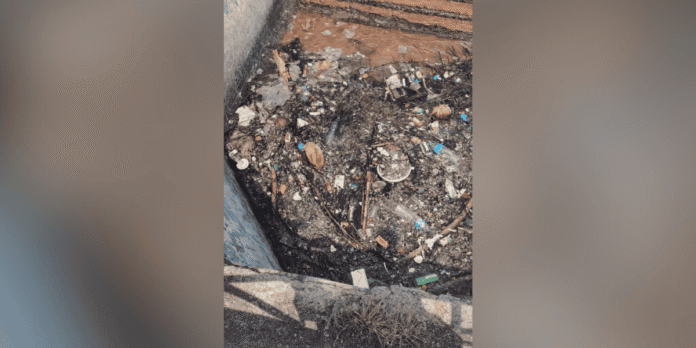
Floating plastic bottles, food containers, thermocol pieces and other urban waste have begun to define large stretches of coastal waters around the islands, turning what should be a natural asset into a disturbing civic failure. Recent visuals from the sea surface show garbage swirling in green waters, carried by tides but rooted in human negligence.
The sight is not just unpleasant, it is alarming. Marine debris, much of it single-use plastic, now drifts openly in nearshore waters, acting as a visible marker of how poorly waste is managed on land. What is dumped on roadsides, drains and open spaces eventually finds its way into the sea, exposing a broken chain of accountability from household disposal to municipal collection and final treatment.
Such pollution directly threatens marine life, coral ecosystems and fisheries that sustain island livelihoods. Plastic fragments are often mistaken for food by fish and seabirds, entering the food chain and eventually reaching human plates. Over time, the breakdown of plastic into microplastics further contaminates water bodies, making the damage long-lasting and largely irreversible.

Despite repeated campaigns on cleanliness and plastic reduction, enforcement on the ground remains weak. Overflowing dustbins, irregular garbage lifting, lack of segregation at source and absence of strict penalties have allowed the problem to grow unchecked. Stormwater drains, instead of carrying rainwater, have become channels for waste, flushing trash straight into the sea during high tides and rainfall.
The issue also carries serious implications for tourism, a key economic pillar of the Andaman and Nicobar Islands. Clean beaches and pristine waters are central to the islands’ image, yet unmanaged waste threatens to erode that reputation. Visitors may leave, but islanders are left to deal with polluted shores, declining fish catch and health risks.
Without systemic change, clean-up drives will remain cosmetic, while the sea continues to absorb the cost of urban neglect.

As the trash floats silently on the water’s surface, it sends a loud message: the ocean is reflecting back the consequences of civic apathy. Whether authorities choose to see it as a warning or ignore it as background noise may decide the future health of the islands’ most precious resource.
Is the mounting trash in coastal waters merely a result of manpower limitations, or does it point to a deeper lack of intent? If enforcement is weak, who must be held responsible, the administration citing staff shortages, residents growing increasingly negligent in everyday disposal practices, or tourists who often abandon basic civic discipline once on holiday?