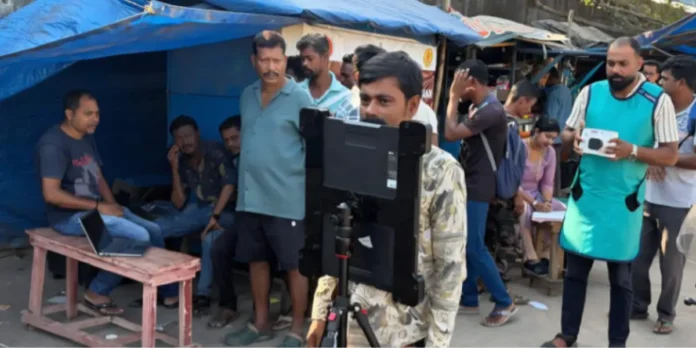
The District Health Society, South Andaman, under the guidance of Deputy Commissioner Purva Garg, IAS, organized a tuberculosis (TB) screening camp for construction site workers at the Bathubasti parking area, opposite the Air Force Unit. The initiative was part of the ongoing TB Mukt Bharat Abhiyaan – 100 Days Campaign, targeting urban vulnerable populations for early detection and awareness.
A total of 78 construction workers were screened, with all participants undergoing chest X-ray examinations to facilitate accurate diagnosis. The camp aimed to identify TB cases early and promote preventive measures, particularly among high-risk groups such as construction laborers.
Officials advised residents to seek medical attention at the nearest health centre if they experience persistent cough for more than two weeks, fever, night sweats, unexplained weight loss, or blood in sputum. TB is a curable disease, and government facilities provide free diagnosis and treatment under the National TB Elimination Programme.

The camp was a collaborative effort involving the District Health Society (District TB Unit), the State TB Unit, and the Directorate of Health Services. Such coordinated initiatives are essential for advancing the vision of TB-free wards and panchayats while contributing to the larger mission of TB elimination across the country.
Deputy Commissioner Purva Garg emphasized that early detection, awareness, and timely treatment are key to reducing TB incidence in the community. Engaging high-risk populations, including workers in densely populated urban areas, helps prevent further spread of the disease and strengthens public health resilience.
The TB Mukt Bharat Abhiyaan – 100 Days Campaign focuses on mobilizing resources and community participation to achieve measurable progress in TB control. Camps like the one at Bathubasti not only provide diagnostic services but also educate the workforce about the importance of screening, adherence to treatment, and preventive hygiene practices.

Through such interventions, health authorities aim to identify latent or active TB cases early, reduce transmission, and ensure treatment completion. The initiative underscores the government’s commitment to eliminating TB as a public health threat and reinforces the accessibility of free healthcare services to marginalized and vulnerable groups.
By targeting urban labor populations, the camp also highlights the role of workplace-based health interventions in combating infectious diseases. Coordinated efforts among district and state TB units, local administration, and healthcare professionals ensure that high-risk populations receive timely support, facilitating effective disease control in the region.
The success of the screening camp in South Andaman demonstrates a proactive approach to public health, promoting community engagement and awareness while ensuring that TB diagnosis and treatment remain accessible and free of charge. These measures contribute significantly toward achieving a TB-free Andaman and Nicobar Islands.