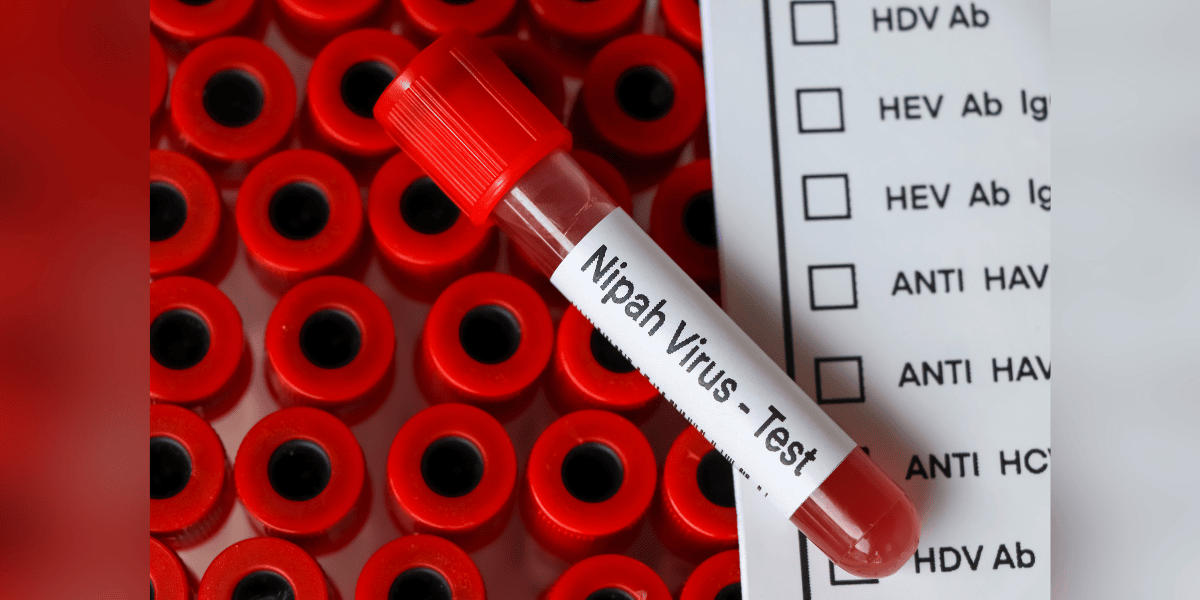
The detection of two suspected cases of the Nipah virus in West Bengal has triggered heightened surveillance and emergency preparedness, with the Centre deploying a National Joint Outbreak Response Team to assist state authorities in containment and public health measures.
Health officials said the move reflects the seriousness of the virus, which is rare but carries a high fatality rate and has a history of sudden outbreaks. Medical experts have stressed that early detection, isolation and strict infection control remain critical to preventing wider transmission.
Doctors explained that Nipah is a zoonotic disease, meaning it can be transmitted from animals to humans. Fruit bats are identified as the natural reservoir of the virus, with infection occurring through consumption of contaminated food or close physical contact with infected individuals. Past outbreaks have also confirmed human-to-human transmission, particularly in healthcare and household settings.

Medical professionals noted that the virus presents a wide range of symptoms, making early identification challenging. Initial signs may resemble common viral infections, including fever and respiratory issues, but severe cases can progress to neurological complications such as encephalitis, a potentially fatal inflammation of the brain.
Experts cautioned that while Nipah does not spread as rapidly as airborne infections like Covid-19 or influenza, it poses a significant risk in situations involving prolonged or close contact. Healthcare workers and caregivers are considered especially vulnerable in the absence of stringent infection control protocols.
Doctors highlighted that previous outbreaks have reported fatality rates of up to 75 per cent, placing Nipah among the deadliest viral infections known. Survivors may also face long-term neurological consequences, including seizures and behavioural changes.
Medical specialists emphasised that early diagnosis is central to outbreak control. Because early symptoms can mimic routine viral fevers, neurological signs or breathing difficulties are considered critical warning indicators. Prompt laboratory confirmation allows for rapid isolation of patients and protection of close contacts.
Testing for Nipah requires specialised handling and coordination with designated reference laboratories. RT-PCR testing remains essential for confirmation, while imaging and laboratory diagnostics help assess the extent of organ involvement, particularly in the lungs and brain. Early identification of complications can significantly influence treatment outcomes.

Doctors also noted that Nipah infection is not confined to a single organ system. In severe cases, multiple organs can be affected, including the kidneys, which may worsen the patient’s prognosis and necessitate intensive monitoring and supportive care.
At present, there is no approved vaccine or antiviral treatment for Nipah virus infection. Medical management focuses on supportive care, symptom control and prevention of secondary complications, underlining the importance of public health measures over curative interventions.
The Centre said its close monitoring of the situation is driven by the virus’s high mortality rate and unpredictable spread pattern. Authorities reiterated that vigilance, early diagnosis, strict isolation protocols and public awareness are the most effective tools to prevent a limited outbreak from escalating into a broader health crisis.