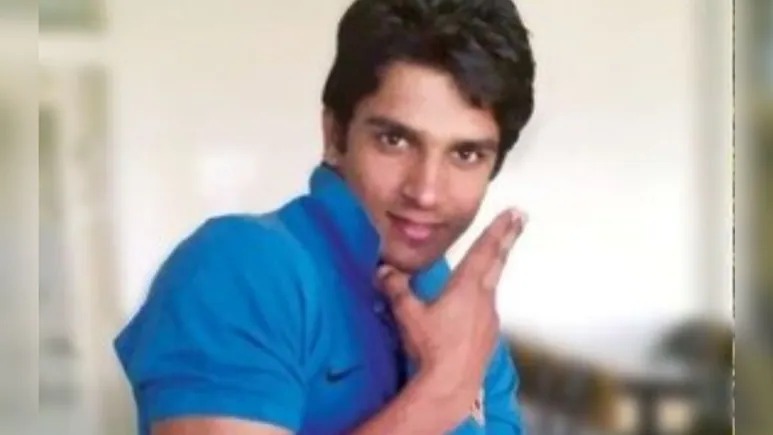
The Supreme Court on Wednesday permitted withdrawal of life-sustaining treatment for a 31-year-old man from Ghaziabad who has remained in a permanent vegetative state for nearly 13 years after suffering severe head injuries in a fall during his student days.
A Bench comprising Justices J.B. Pardiwala and K.V. Viswanathan allowed the plea filed by the family of Harish Rana, holding that the medical board may exercise its clinical judgment regarding the withdrawal of treatment in accordance with the legal framework laid down in the Supreme Court’s 2018 judgment in Common Cause vs. Union of India.
The court directed that Rana be shifted to the palliative care unit at the All India Institute of Medical Sciences (AIIMS), New Delhi, where the process related to withdrawal of life-sustaining treatment can be carried out in line with established guidelines.
“In our considered view, it would be permissible for the medical Board to exercise its clinical judgment regarding the withdrawal of treatment in accordance with the guidelines laid down in Common Cause vs. Union of India,” the Bench observed in its order.

Rana has remained in a permanent vegetative state with complete disability and quadriplegia since the accident. He requires continuous medical support for breathing, feeding and daily care. Medical experts have stated that the chances of recovery are negligible.
During earlier proceedings, the apex court directed the constitution of a Primary Medical Board to assess Rana’s medical condition and examine whether withdrawal of life-sustaining treatment could be considered.
Doctors who examined Rana at his residence reported that he was confined to bed with a tracheostomy tube used for respiration and a gastrostomy tube through which he received nutrition. The medical team concluded that his condition had not improved and that the prospects of recovery were extremely limited.
The Supreme Court subsequently instructed AIIMS to establish a Secondary Medical Board to independently evaluate the patient’s condition and provide an additional medical opinion.
The legal proceedings began when Rana’s parents approached the Delhi High Court seeking the formation of a medical board to determine whether passive euthanasia could be considered in their son’s case. The High Court dismissed the petition, observing that active euthanasia remains impermissible under Indian law.

The matter later reached the Supreme Court in August 2024. At that stage, the court issued notice to the Union government and considered whether a humanitarian solution could be explored, noting that Rana’s parents had been caring for their son for more than a decade while managing the challenges associated with his prolonged medical condition.
In November 2024, the apex court disposed of the case after recording the government’s proposal to extend home-based medical assistance. The plan included physiotherapy visits, nursing care, dietician support and the supply of free medicines.
The court granted liberty to the family to approach it again if additional directions were required. Rana’s parents later returned to the court stating that his condition had further deteriorated and that years of treatment had brought no improvement.
After hearing arguments from the parties and reviewing written submissions, the Bench reserved its verdict on January 15 this year before delivering its decision allowing passive euthanasia under the framework established by the court’s earlier constitutional ruling.