A fresh phase of large hospitality and tourism projects proposed under the public–private partnership model in Sri Vijaya Puram has come under high-level review, indicating movement on long-discussed plans aimed at expanding tourism-linked infrastructure in the Andaman and Nicobar Islands. The review covered project concepts, proposed locations and implementation planning presented by the Andaman & Nicobar Administration and the Andaman and Nicobar Islands Integrated Development Corporation (ANIIDCO).
The presentation was examined in the presence of senior functionaries of the Administration along with ANIIDCO officials, reflecting coordinated involvement of the territory’s administrative and development arms in shaping the next stage of hospitality expansion. The focus remained on projects proposed in Sri Vijaya Puram, an area that has been drawing attention in policy and planning discussions related to tourism growth, urban services and visitor infrastructure.
Officials outlined elements linked to the new phase of what were described as mega hospitality and tourism initiatives. These are planned to be implemented in PPP mode, a structure typically adopted to combine public oversight with private investment and operational expertise. Such a model is often used for capital-intensive tourism facilities where long-term viability is tied to both infrastructure quality and professional management.

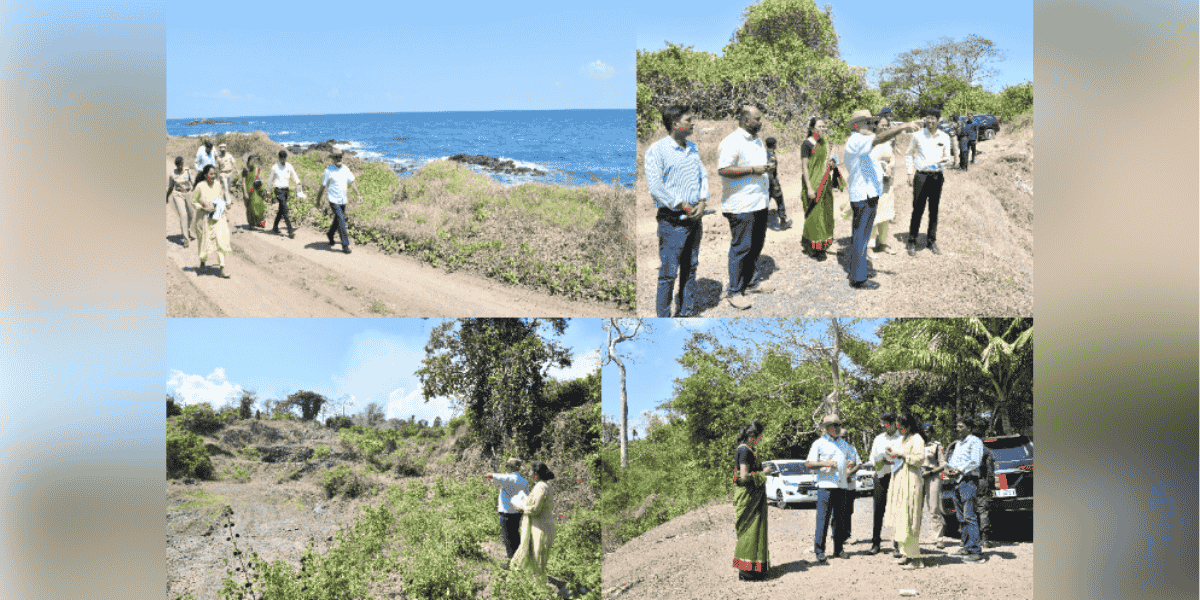
Following the review meeting, a site visit was undertaken to the proposed project locations. The on-ground inspection formed part of the assessment process, allowing decision-makers to view physical conditions, surrounding infrastructure and spatial context connected to the plans. Site visits are generally used to match project proposals with terrain realities, access considerations and nearby development patterns before moving deeper into approvals or execution stages.
The involvement of ANIIDCO in the process signals the role of the corporation as a key agency in executing and facilitating development-oriented projects in the Islands, particularly those linked to tourism, industry and services. Its participation alongside the Administration indicates that both planning and implementation aspects are being aligned as the projects move forward within the PPP framework.

Tourism has remained one of the principal economic sectors for the Islands, with policy emphasis often placed on improving the quality of accommodation, visitor amenities and supporting infrastructure. Large-format hospitality projects are typically seen as part of a broader strategy to diversify offerings beyond basic lodging, potentially including integrated facilities that cater to different categories of travellers. The review of a new phase suggests that earlier groundwork has progressed to a stage where specific sites and project contours are being actively examined.
While detailed specifications, timelines or investment figures were not part of the information shared in the release, the sequence of presentation followed by field inspection points to procedural steps associated with project appraisal. Such stages generally precede formal structuring, bidding processes and phased execution under PPP norms, subject to statutory clearances and administrative approvals as required.
The developments in Sri Vijaya Puram are positioned within the wider objective of strengthening tourism infrastructure in the territory. By reviewing both plans and locations in a single exercise, the Administration and ANIIDCO appear to be linking conceptual planning with spatial feasibility, an approach often adopted to reduce delays between proposal and implementation. Further stages are expected to depend on technical detailing, financial structuring and regulatory processes tied to PPP projects in the hospitality and tourism domain.