Patna, Nov 11: A fresh dispute over the formation and breakdown of the INDIA bloc has surfaced in Bihar after Sonia Gandhi’s account of Nitish Kumar’s departure from the Opposition alliance triggered a response from the Janata Dal (United), which accused the Congress of overlooking his role in bringing Opposition parties together. The exchange has revived debate over the circumstances behind Kumar’s return to the BJP-led National Democratic Alliance (NDA) ahead of the 2024 Lok Sabha elections.
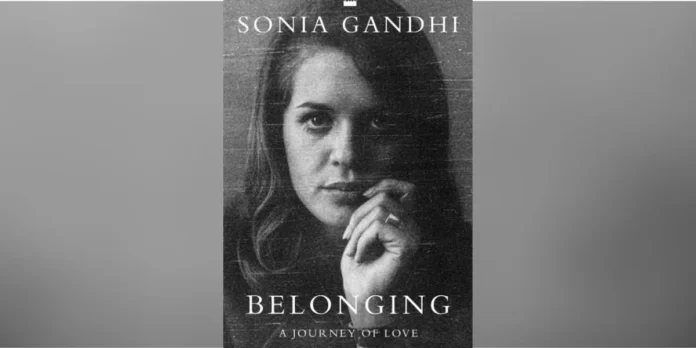
The controversy follows the release of Gandhi’s 544-page memoir, Belonging: A Journey of Love, published by HarperCollins India. The book revisits the formation of the INDIA bloc, the difficulties Opposition parties faced in maintaining unity and the political developments that preceded Kumar’s exit from the alliance in January 2024.
In her account, Gandhi writes that Kumar had been looking for an opportunity to leave the INDIA bloc and was under the control of the BJP. She places his departure within the wider challenges faced by Opposition parties in holding the coalition together, rather than treating it solely as a disagreement between political leaders.
Kumar had initially taken an active role in bringing Opposition parties onto a common platform. However, in January 2024, he left the Mahagathbandhan government in Bihar and returned to the BJP-led NDA, forming a government with the BJP. His departure dealt a setback to the Opposition alliance ahead of the general elections.

Responding to Gandhi’s remarks, JD(U) National Working President and Rajya Sabha MP Sanjay Kumar Jha said the Congress should not disregard Kumar’s contribution to Opposition unity. He said Kumar had personally contacted political parties across the country, reached out to Opposition leaders and worked to build trust among them.
Jha also highlighted Kumar’s role in organising the first meeting of the INDIA bloc in Patna. He objected to accounts that portrayed Kumar’s departure from an alliance meeting as being driven by insignificant reasons, arguing that such descriptions diminished his contribution to bringing the Opposition parties together.
Jha said the political circumstances that led Kumar to leave the alliance also deserved attention, rather than focusing only on his decision to exit.

The dispute has also brought renewed attention to remarks reportedly made by Gandhi at a Congress Working Committee (CWC) meeting on September 29 and 30. According to media reports, senior Congress leader Digvijaya Singh had argued that the party should not have allowed Kumar to leave the INDIA bloc, suggesting that the political situation could have been different had he remained with the Opposition.
Gandhi reportedly responded that Kumar had been seeking an opportunity to quit the alliance and that the Congress was fortunate he had left when he did. She also alleged that he was under the BJP’s influence.
Congress president Mallikarjun Kharge reportedly backed Gandhi’s assessment, saying Kumar had intended to leave from the beginning and that his bid to become the INDIA bloc’s convener was part of that political manoeuvring.
The competing accounts have placed Kumar’s role in the formation of the Opposition alliance and the reasons for his eventual departure back at the centre of the political debate.