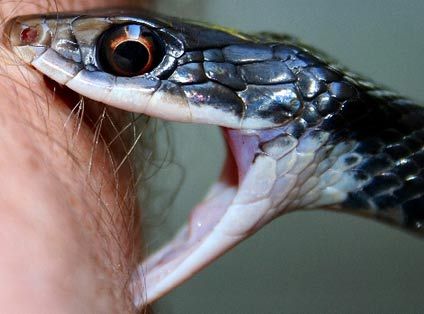
Healthcare professionals in the Andaman and Nicobar Islands received focused training on managing one of the region’s critical health challenges, snake bite envenoming. A one-day workshop-cum-training programme, jointly organized by the Directorate of Health Services and the National Health Mission, was conducted at the School of Nursing in Sri Vijaya Puram with an emphasis on prevention, early identification, and effective management.
Snake bites remain a significant health concern in rural and forested regions of the islands, where encounters are relatively frequent and access to immediate medical intervention can be limited. The workshop aimed to build capacity among healthcare workers by equipping them with practical knowledge, evidence-based treatment protocols, and community awareness strategies to reduce fatalities and long-term complications.
Dr. Rajiv Kumar Gosh, District Public Health Officer, led the technical sessions, focusing on key aspects of snake bite management. The training covered early recognition of symptoms, first aid measures that can be administered at the community level, and best practices in clinical care. Participants were guided on the importance of timely intervention, as delays often exacerbate the severity of envenoming cases.
The sessions also highlighted the dangers of traditional but ineffective remedies that still persist in some areas, stressing the need for scientific and medically sound approaches. Practical insights were provided on the safe use of antivenom, monitoring of patients, and supportive treatment, enabling healthcare professionals to respond more effectively to emergencies.
Forty-three participants attended the training, representing a cross-section of the health workforce. Their interaction during the programme allowed for a constructive exchange of experiences and challenges faced in handling snake bite cases across different regions of the islands. The discussions underscored how local circumstances, such as difficult terrain and limited transport options, often complicate emergency response in rural areas.
Community awareness was identified as an equally important component of prevention. By educating local residents about high-risk areas, safe behavior during outdoor activities, and immediate steps to be taken after a bite, healthcare professionals can extend their impact beyond clinical settings. Such awareness campaigns are expected to reduce dependence on unscientific practices and improve survival outcomes.

The programme also included deliberations on the need for strengthening supply chains of antivenom and ensuring availability of essential drugs at peripheral health centers. Participants highlighted the importance of coordination between hospitals, primary health centers, and community health workers to streamline response and referral mechanisms.
Earlier, the workshop commenced with a welcome address by Bio-Medical Engineer Banani Mridha, setting the stage for an interactive session that balanced technical knowledge with practical realities. The programme concluded with a discussion on operational challenges, such as limited resources, late patient arrivals, and the psychological burden on healthcare workers dealing with life-threatening emergencies.
By equipping healthcare professionals with updated knowledge and skills, the training programme reflects a proactive approach to tackling snake bite cases, which are often underreported but can have severe consequences. Such initiatives not only improve clinical outcomes but also reinforce public confidence in local health systems.
The focus on prevention and evidence-based management is in line with broader national health objectives to reduce mortality from neglected tropical and rural health issues. For the islands, where geography and ecology make such risks persistent, the workshop provided a timely boost to frontline preparedness.
As participants return to their respective postings, the expectation is that they will act as both practitioners and advocates, applying their training in clinical settings while educating communities about snake bite prevention and safe practices. The impact of such capacity-building programmes will be measured in improved patient outcomes, reduced fatalities, and enhanced resilience of the health system against one of its most consistent natural hazards.