The three-day Self-Help Group Mela 2025 concluded at Netaji Ground in Ramakrishna Pur village of Little Andaman with strong public participation, underscoring the growing role of women-led rural enterprises under the Deendayal Antyodaya Yojana–National Rural Livelihoods Mission.
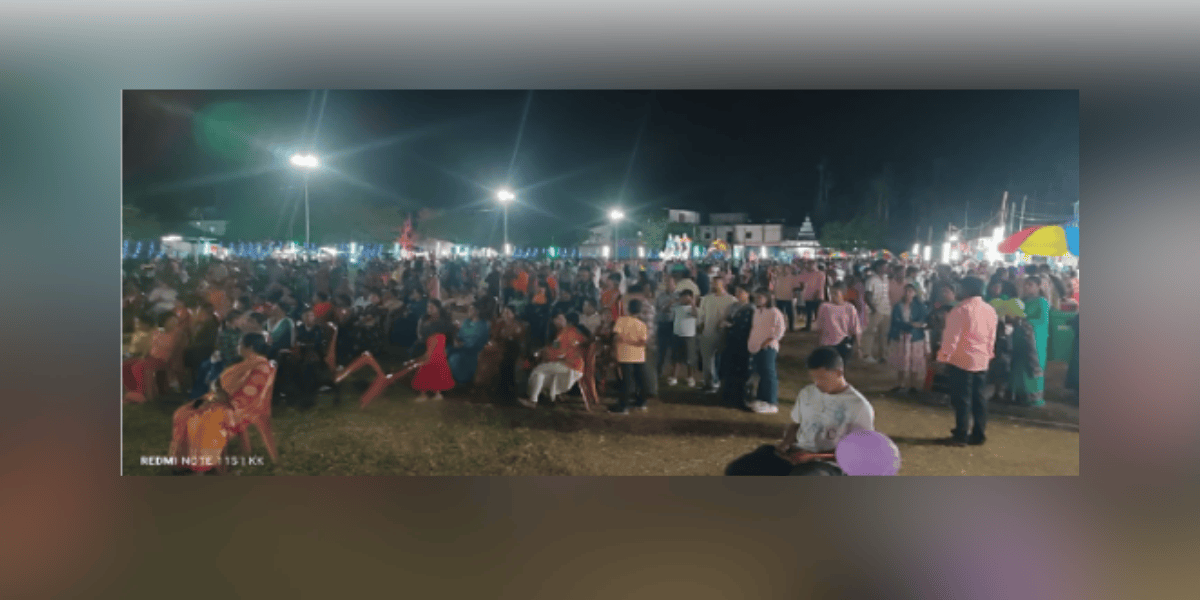
Organised by the Directorate of Rural Development, the mela served as a platform for Self-Help Groups to showcase and market their products, while also promoting the objectives of livelihood enhancement, women empowerment and community participation. The event drew consistent footfall over its duration, with approximately 3,500 visitors recorded on the concluding day alone.
The mela featured stalls set up by SHGs displaying a wide range of products, including traditional handicrafts, locally prepared food items and other indigenous goods. The diversity of offerings reflected the expanding scope of SHG activities in the region and highlighted the potential of rural entrepreneurship as a driver of local economic growth.

According to organisers, the participating SHGs collectively recorded a sales turnover of Rs 9,77,639 during the three-day event. The sales figures were seen as an indicator of both public interest in locally made products and the improving market readiness of SHG enterprises operating under the DAY-NRLM framework.
In addition to commercial activities, the mela also placed emphasis on cultural engagement. A series of cultural programmes were organised throughout the event, featuring local art forms and performances. These programmes not only provided entertainment but also offered community members an opportunity to participate and showcase local talent.
To encourage quality production and effective marketing, awards were presented to SHG stalls that demonstrated strong performance during the mela. First, second, third and consolation prizes were awarded, recognising efforts in product presentation, sales and overall stall management. Prizes were also distributed to participants of the cultural events held during the mela.
Officials associated with the programme noted that such events play a critical role in strengthening market linkages for SHGs, particularly in geographically remote areas like Little Andaman. By bringing producers and consumers together in a single platform, the mela helped SHG members gain direct feedback and exposure to consumer preferences.

The event also highlighted the increasing organisational capacity of SHGs, many of which are managed by women engaged in income-generating activities alongside household responsibilities. The mela provided an opportunity for these groups to build confidence, expand networks and explore new avenues for scaling up their enterprises.
The concluding function marked the formal end of SHG Mela 2025, bringing together organisers, SHG members and community representatives. The overall conduct of the event reflected coordinated efforts by the Rural Development Department and local administrative units to promote inclusive economic participation.
The successful conclusion of the mela reinforced the broader goals of the DAY-NRLM initiative, which aims to reduce rural poverty through sustainable livelihood opportunities and institutional support for women-led collectives. With strong public engagement and measurable economic outcomes, SHG Mela 2025 was seen as a positive step towards strengthening grassroots entrepreneurship in Little Andaman.