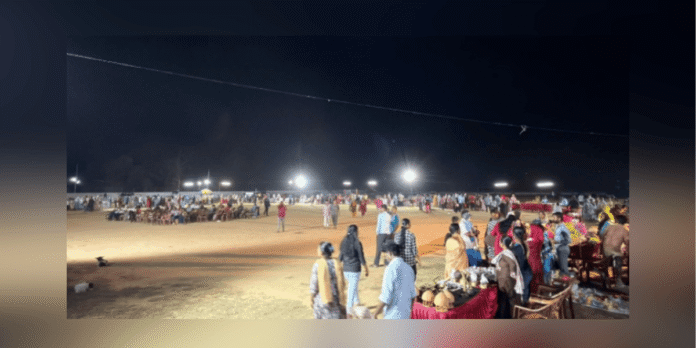
A two-day Self Help Group Block Mela organised at Wimberlygunj Mini Stadium has underlined the growing role of community-based enterprises in strengthening rural livelihoods in South Andaman. The event, coordinated by the CD Block Ferrargunj in association with the Wimberlygunj Gram Panchayat, was aimed at providing direct market exposure to self-help groups and creating sustainable income opportunities through collective entrepreneurship.
The mela brought together women-led self-help groups from across the Ferrargunj block, transforming the mini stadium into a marketplace showcasing locally made products and traditional skills. Officials associated with the block administration said the initiative was designed to bridge the gap between grassroots producers and consumers, allowing SHG members to assess demand, pricing, and consumer preferences without intermediaries.
A total of 45 SHG members representing 39 different groups participated in the event, displaying a diverse range of products prepared using locally available resources. Stalls featured handicrafts crafted from cane, bamboo, coconut shell, and sea shell, alongside ornamental plants, processed food items, and homemade delicacies. The wide variety on offer attracted steady footfall over both days, with visitors engaging directly with producers and learning about the processes behind the products.

According to organisers, one of the key objectives of the mela was to encourage SHG members to view their activities as viable enterprises rather than supplementary income sources. By interacting with customers face to face, participants were able to gather feedback on quality, packaging, and pricing, which officials said is critical for scaling up production and entering wider markets.
The response from the public translated into tangible economic gains for the participating groups. Total earnings during the two-day event amounted to Rs 2.10 lakh, a figure that block officials described as a reflection of both strong consumer interest and the market potential of SHG-produced goods. Several participants reported that the sales exceeded their expectations, reinforcing confidence in their ability to compete in local markets.
Representatives associated with the panchayat system and block administration emphasised the broader development role played by self-help groups, particularly in women’s empowerment and self-employment generation. They highlighted the importance of consistent quality improvement, better packaging, and collective marketing strategies to ensure long-term sustainability. Officials also noted that such melas serve as practical learning platforms where SHG members can observe successful products, exchange ideas, and build networks.
The second day of the mela focused on recognition and encouragement, with trophies presented to various self-help groups for their active participation. Prizes were also awarded under different categories, including handicrafts, food items, and plants, to acknowledge creativity, quality, and innovation. Organisers said the awards were intended not merely as incentives but as a way to highlight best practices that other groups could emulate.
Block-level officials indicated that similar initiatives would continue to be supported as part of ongoing efforts to strengthen livelihood options in rural and semi-urban areas of the islands. By providing structured platforms for marketing and skill demonstration, the administration aims to reduce dependency on external markets and promote self-reliance at the community level.
For many participants, the mela represented more than a sales opportunity. It served as validation of their work, reinforcing the idea that locally produced goods can find appreciation and buyers when given the right platform. As the stalls were dismantled at the close of the second day, SHG members left with earnings, experience, and a renewed sense of confidence in their collective enterprise model.