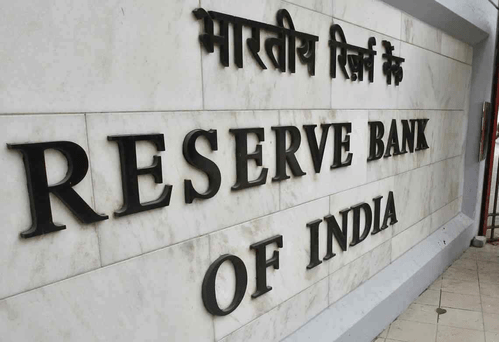
The Reserve Bank of India’s decision to keep the policy repo rate unchanged at 5.25 per cent in its first monetary policy review of 2026 reflects a favourable assessment of growth momentum and inflation trends, according to economists and market analysts.
The Monetary Policy Committee (MPC) opted to maintain the current rate amid what economists described as stable macroeconomic conditions. Analysts broadly welcomed the decision, noting that the pause signals confidence in the ongoing economic cycle while allowing time to assess inflation dynamics and external factors.
Radhika Rao, Executive Director and Senior Economist at DBS Bank, said the policy stance was anchored in a positive macroeconomic outlook, along with the anticipated revision of consumer price index (CPI) and GDP data expected later this month. She also referred to the governor’s observations on recent movements in bond yields, indicating that the central bank remains prepared to respond proactively if conditions warrant.

Rao added that expectations are building for an extended pause in the rate cycle, supported by a cyclical economic upswing and confidence effects linked to the successful conclusion of multiple trade agreements, including negotiations involving the United States.
Madan Sabnavis, Chief Economist at Bank of Baroda, said that despite assurances of sufficient liquidity, the central bank did not announce specific new liquidity measures, suggesting interventions would remain need-based. He also pointed to the recent increase in the collateral-free loan limit to Rs 20 lakh, describing it as aligned with Budget initiatives aimed at supporting micro, small and medium enterprises (MSMEs).
Sabnavis said the current rate cycle appears to have stabilised, with the repo rate likely to remain at 5.25 per cent for some time. However, he cautioned that any future policy move could trend upward if inflationary pressures intensify.
Industry stakeholders also reacted to the policy stance. Prashant Sharma, President of NAREDCO Maharashtra, said the decision provided stability to the real estate sector at a time when growth expectations have strengthened following the Union Budget’s emphasis on increased government spending.
On the external front, economists pointed to easing uncertainties linked to trade policy developments. Rajani Sinha, Chief Economist at CareEdge Ratings, said recently proposed tariff reductions under the India-US trade deal could add roughly 20 basis points to GDP growth. The ratings agency has raised its FY27 growth projection to around 7.2 per cent, while CPI inflation is estimated to average close to 4 per cent.

Sinha also indicated expectations of continued liquidity support, particularly during periods such as March when tax-related outflows typically intensify. She emphasised that comfortable liquidity conditions remain important for effective transmission of earlier rate adjustments and could also help stabilise the rupee amid improving trade policy clarity.
Meanwhile, the MPC revised upward its average growth projection for the first half of FY27 by 20 basis points to 7 per cent. Inflation projections were also increased slightly, with CPI estimates for FY26 and the first half of FY27 raised by 10 basis points each.
The policy stance signals a cautious but stable outlook as the central bank balances growth momentum with inflation management in the evolving economic environment.