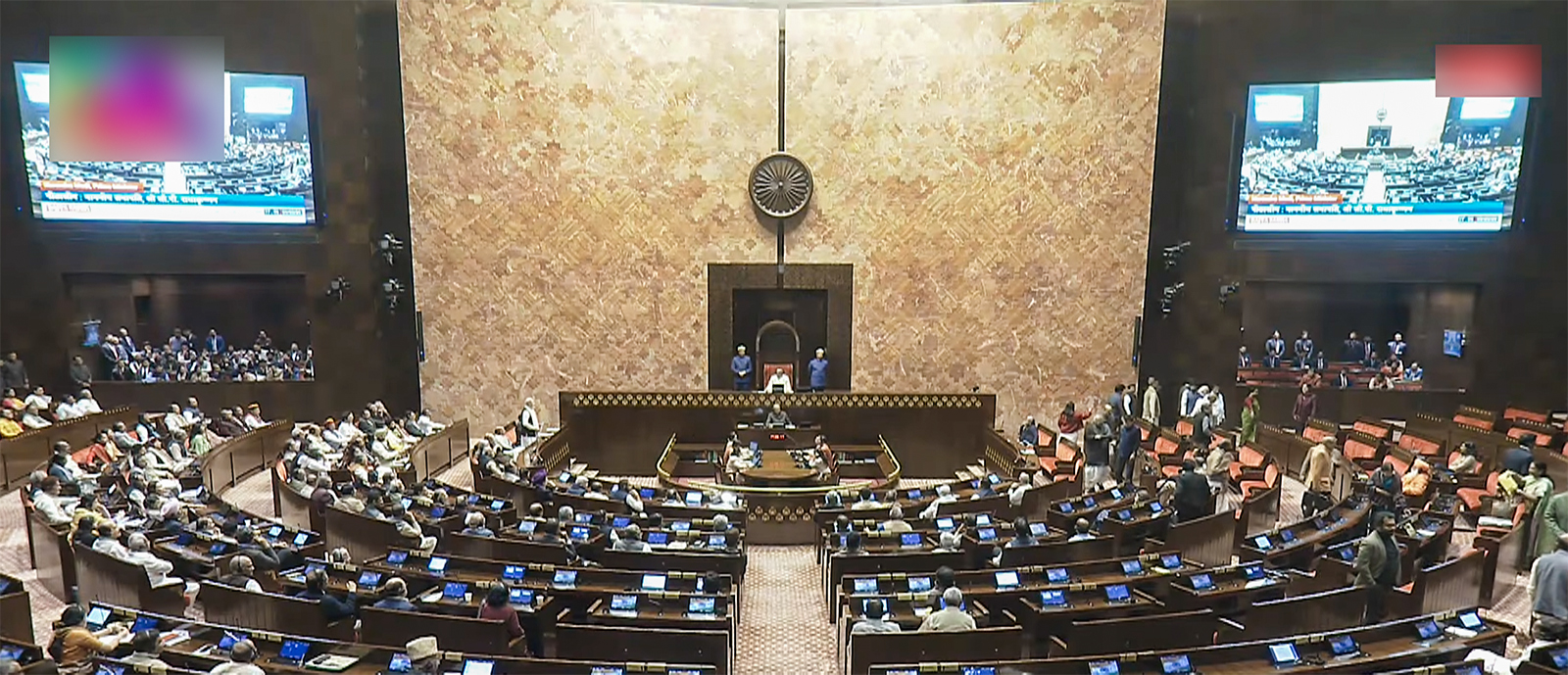
The process for filing nominations for the biennial elections to the Rajya Sabha commenced on Thursday, initiating the electoral exercise to fill 37 vacancies in the Upper House of Parliament across ten states. The elections have been scheduled by the Election Commission of India following the impending completion of the terms of several sitting members in April 2026.
According to the schedule announced earlier by the Commission on February 18, polling for the seats will take place on March 16 between 9:00 a.m. and 4:00 p.m., with counting of votes to begin at 5:00 p.m. on the same day. The elections are being held to fill seats falling vacant from Maharashtra, Odisha, Tamil Nadu, West Bengal, Assam, Bihar, Chhattisgarh, Haryana, Himachal Pradesh and Telangana.
The nomination process forms the first stage of the election timeline. Nomination papers submitted by candidates will undergo scrutiny on March 6, after which March 9 has been fixed as the final date for withdrawal of candidatures. The Commission has outlined procedural guidelines to ensure the orderly conduct of the election, including the use of integrated violet sketch pens of predetermined specifications supplied by Returning Officers for marking preferences on ballot papers. The use of any other writing instrument has been disallowed.
Observers will be deployed to oversee the election process in the respective states. The Commission has emphasised strict adherence to electoral procedures and instructions to maintain transparency and fairness throughout the process. With the Rajya Sabha functioning as the Council of States, the elections are conducted through an indirect voting system where elected members of the respective state legislative assemblies cast their votes.
Political parties have already begun finalising their candidates for the contest. The Bharatiya Janata Party has announced several nominees across states. Among them are Nitin Nabin and Shivesh Kumar from Bihar, along with Terash Gowalla and Jogen Mohan from Assam. Other nominees include Laxmi Verma from Chhattisgarh, Sanjay Bhatia from Haryana, Manmohan Samal and Sujeet Kumar from Odisha, and Rahul Sinha from West Bengal.
The party has also nominated Vinod Tawde, its National General Secretary and the party’s in-charge for Bihar. His nomination signals a return to parliamentary politics after remaining outside the legislative arena since 2019. In addition, the BJP has renominated Ramdas Athawale, National President of the Republican Party of India (Athawale) and a serving Union Minister of State.
Other nominees announced include Maya Chintaman Ivnate, a tribal leader and former Mayor of the Nagpur Municipal Corporation, and Ramrao Wadkute from the Dhangar community in Hingoli district.
Meanwhile, the Indian National Congress has extended support to Sharad Pawar, leader of the Nationalist Congress Party – Sharad Pawar faction and former Union Minister, for the forthcoming Rajya Sabha polls. The announcement followed internal consultations within the party.
With the nomination phase now underway, political alignments and candidate selections across states are expected to shape the electoral contest in the coming days before polling on March 16 determines the next set of members entering the Council of States.