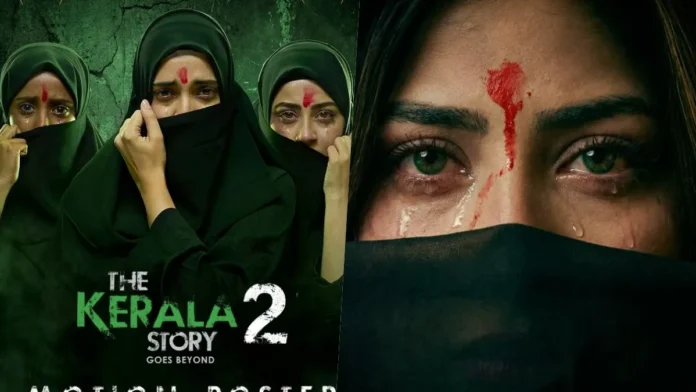
A political controversy has emerged over the upcoming film The Kerala Story 2, with leaders from multiple parties expressing sharply differing views on its content, implications and impact on social harmony. Supporters have defended the film on free speech grounds, while critics argue it risks deepening communal tensions.
Leaders from the Bharatiya Janata Party have largely backed the film, describing it as reflective of reality and emphasising freedom of expression. Party spokesperson Shazia Ilmi questioned calls for banning the film, stating that a production cleared under existing legal frameworks should be allowed public release even if sections disagree with its message. She argued that debate, not prohibition, remains the appropriate democratic response and cautioned against selective invocation of free speech principles.
Another BJP spokesperson, R. P. Singh, said the film highlights what he described as a serious national issue. He alleged that “love jihad” narratives depicted in the film address concerns about religious conversions and exploitation, asserting that opposition arises from discomfort with the issues portrayed.

Criticism has emerged from opposition leaders, particularly from the People’s Democratic Party and the Indian National Congress. PDP MLA Aga Syed Muntazir Mehdi claimed the film forms part of a broader pattern aimed at marginalising Muslims and alleged increasing hostility toward the community. Congress MLA Nizamuddin Bhat stressed adherence to constitutional principles, suggesting that many controversies could be avoided through stricter institutional adherence to those norms.
Leaders from the Samajwadi Party also voiced concerns. Party leader Abu Asim Azmi dismissed the film’s claims as false and warned against narratives portraying Muslims negatively. Another party figure, S. T. Hasan, cautioned that cinema should not fuel hatred and emphasised that crimes against women must be addressed irrespective of religion.
Additional BJP leaders continued to defend the project. Spokesperson Pratul Shah Deo argued that reports about religious conversions in Kerala have surfaced repeatedly and that portraying such themes in cinema should not be opposed outright. BJP MLA Vikram Randhawa called for objective viewing of the film and warned against politicising creative work.

Jammu and Kashmir Leader of Opposition Sunil Kumar Sharma said religious conversion concerns exist but should not automatically be linked to the BJP. Uttar Pradesh minister Om Prakash Rajbhar highlighted that films undergo certification scrutiny, adding that objections can be addressed through mandated edits.
BJP MP Naresh Bansal described the first film as “eye-opening,” while party representatives reiterated that cinematic expression should remain protected under free speech principles.
The controversy underscores continuing political polarisation around cultural narratives in cinema, with debates likely to intensify as the film approaches release.