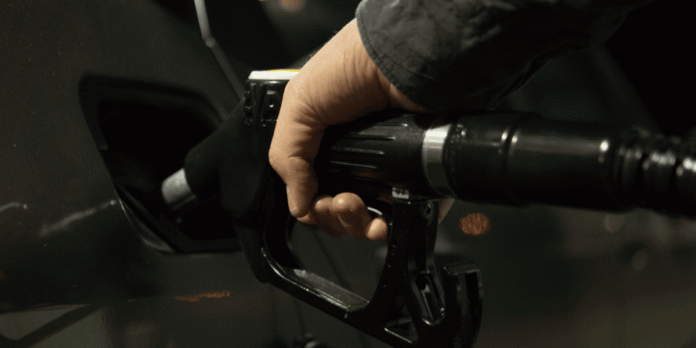
The government today announced that retail prices of petrol and diesel will remain unchanged despite a reduction in excise duty, with the move aimed at easing financial pressure on public sector oil marketing companies rather than lowering pump prices.
According to the Petroleum Ministry, the excise duty has been reduced by Rs 10 per litre on both petrol and diesel with immediate effect. However, this reduction will not be passed on to consumers. Instead, it will offset a portion of the losses being absorbed by state-run oil companies, Indian Oil Corporation, Bharat Petroleum Corporation, and Hindustan Petroleum Corporation, which continue to sell fuel below cost.
Officials said that at prevailing international crude oil prices, under-recoveries stand at around Rs 26 per litre on petrol and Rs 81.90 per litre on diesel. The combined daily financial burden on these companies is estimated at approximately Rs 2,400 crore. The excise reduction is expected to partially offset these losses by Rs 10 per litre, allowing uninterrupted supply without altering retail prices.

The government’s decision comes amid a sharp surge in global crude oil prices, which have risen from about $70 per barrel to nearly $122 per barrel within a month. The increase, driven by geopolitical tensions in West Asia and disruptions in global supply chains, has significantly raised the cost of fuel procurement.
In contrast to India’s decision to maintain stable pump prices, fuel costs have risen sharply across other regions. Prices have increased by 30 to 50 per cent in South and South-East Asia, about 30 per cent in North America, and around 20 per cent in Europe during the same period. The government indicated that maintaining price stability domestically involves a substantial fiscal cost, which it has chosen to absorb.
Petroleum and Natural Gas Minister Hardeep Singh Puri stated that the decision reflects a policy choice to shield consumers from the impact of rising global energy prices. He noted that the government has taken a hit on tax revenues to reduce the burden on oil marketing companies.

Alongside the excise duty cut, the government has introduced an export levy on diesel. The measure aims to discourage exports at a time when international prices are high and to ensure that domestic demand is prioritised. Officials said that maintaining adequate supply within the country takes precedence over export opportunities under current market conditions.
The government has indicated that it will continue to monitor global energy trends and take further measures if required to ensure supply stability and price protection. The decision underscores the balancing act between fiscal management, energy security, and consumer affordability amid volatile global oil markets.