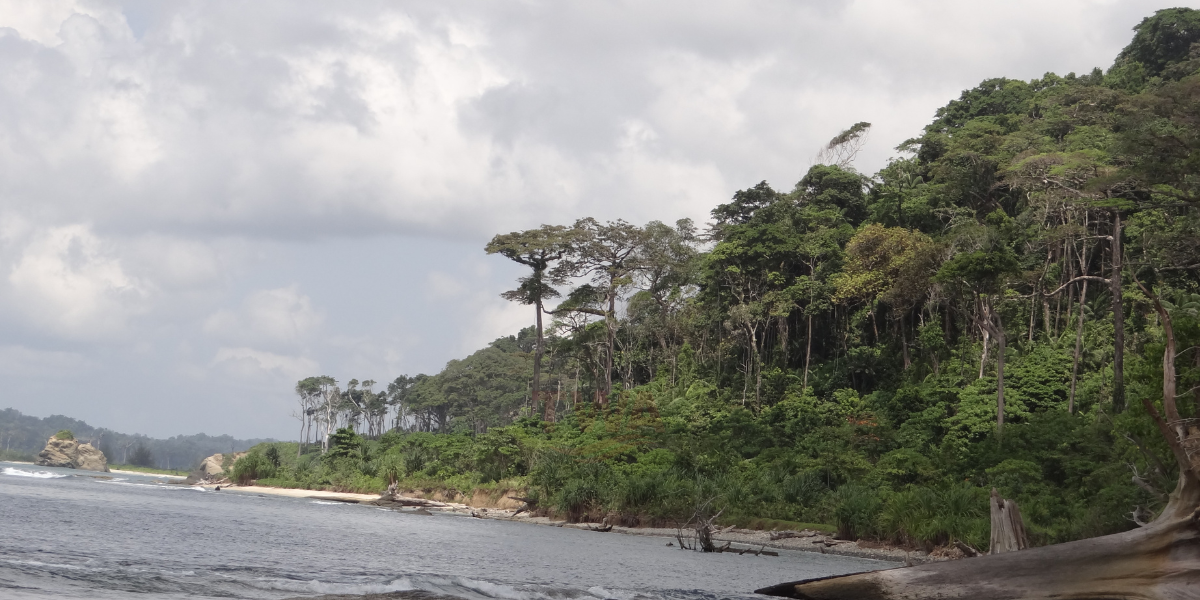
The National Green Tribunal (NGT) has upheld the environmental clearance granted to the proposed Great Nicobar Island mega infrastructure project, observing that it found no valid ground to interfere with the approval while underlining the project’s strategic importance.
A special bench of the tribunal disposed of a batch of petitions challenging the clearance issued in November 2022 and directed authorities to ensure full and strict compliance with all environmental conditions attached to the project.
The project, estimated at about ₹80,000 crore, proposes an integrated development in Great Nicobar including an international container transshipment terminal, an international airport, a power plant and a township spread over roughly 166.10 sq km. Of this, about 130.75 sq km is forest land, while around 84.10 sq km falls within tribal reserve areas.

According to people familiar with the development, several major port operators have already shown preliminary interest in the proposed transshipment terminal. These include Adani Ports, JSW Ports, and Dubai-headquartered global operator DP World, sources said.
Petitioners had challenged the clearance on multiple environmental grounds, alleging violations of Island Coastal Regulation Zone (ICRZ) norms, risks to coral reef ecosystems, reliance on single-season Environmental Impact Assessment data and claims that portions of the project fall within ecologically sensitive coastal zones where development is restricted.
Environmental activist Ashish Kothari had filed two principal pleas before the tribunal, arguing that several project components, including parts of the port, airport and township areas, should be excluded as they allegedly fall within prohibited coastal regulation zones.
The tribunal noted that concerns raised by petitioners had already been examined earlier, including through a High-Powered Committee constituted under the Union Environment Ministry Secretary to review aspects of the clearance. Issues examined included protection of coral colonies, nesting sites of leatherback turtles and the allegation that parts of the project lie in ecologically sensitive zones.
The NGT recorded that the committee had addressed these concerns and found no error in its mandate. It also accepted the Union government’s submission that portions of the committee’s report contain information linked to defence and national security considerations and therefore could not be placed fully in the public domain.
On ecological concerns, the tribunal relied on inputs from expert agencies which indicated that no major coral reefs lie within the immediate project footprint. It also accepted findings that single-season environmental assessment data can be considered adequate for port projects and that ground verification did not show construction within prohibited ICRZ-IA areas.

The tribunal noted that measures including translocation of coral colonies and environmental mitigation planning are being incorporated into the project framework.
While allowing the project to proceed, the NGT emphasised that authorities must ensure continued monitoring and strict implementation of environmental safeguards during execution.
The ruling removes a significant legal obstacle for the project, which the Centre has projected as a key strategic and maritime infrastructure initiative in the Indo-Pacific region. Environmental groups, however, have continued to express concern over the scale of development proposed in one of India’s most ecologically sensitive island regions.