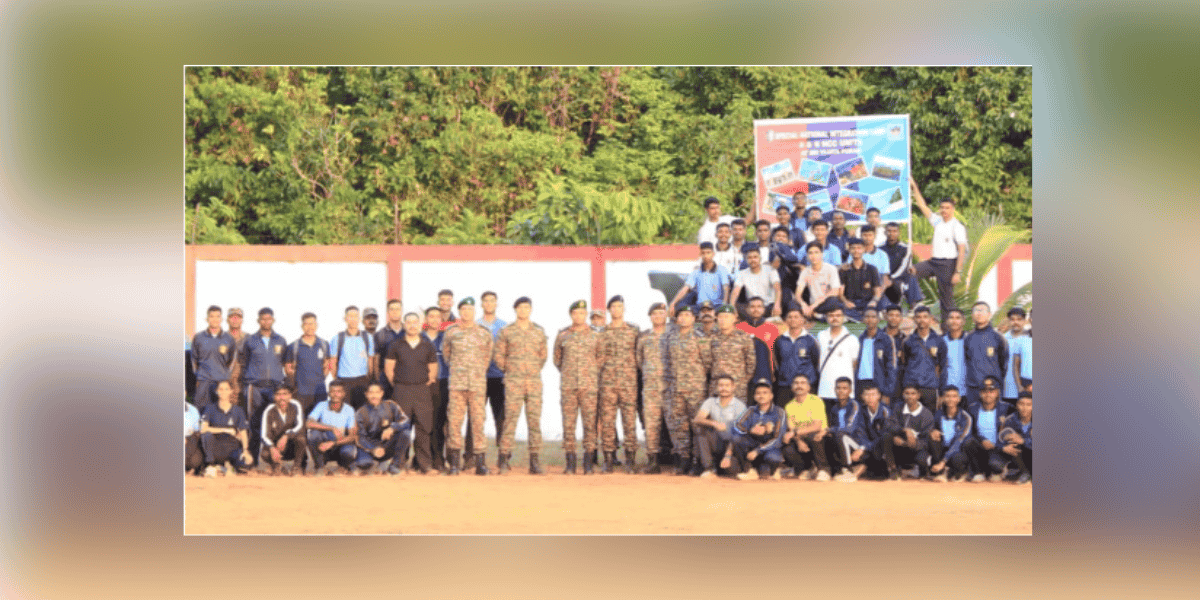
As part of the ongoing Special National Integration Camp, NCC cadets from different parts of the country were provided with extensive exposure to defence operations in the Andaman and Nicobar Islands through a series of visits and interactions with personnel from the Indian Navy and Indian Army. The programme aimed to familiarise cadets with the operational environment, preparedness and joint functioning of the armed forces in the strategically significant island territory.
One of the key components of the exposure programme was a visit to the Indian Navy warship INS Kora. During the visit, the cadets interacted with senior naval officers and personnel, who explained the role of frontline naval platforms in ensuring maritime security, coastal surveillance and national defence. The interaction offered the cadets an opportunity to understand how naval assets contribute to safeguarding sea lanes and protecting national interests in the maritime domain.
The cadets were taken through various onboard systems of the warship, allowing them to observe operational equipment and gain insight into day-to-day naval functioning. Interaction with naval personnel helped enhance their understanding of life at sea, operational readiness and the coordination required to operate complex platforms. The visit formed part of efforts to bridge classroom learning with real-world exposure to defence services.

Following the warship visit, the cadets also visited the MARCOS base at Jodakilan. During this interaction, they were briefed on the training, discipline and operational responsibilities of the Marine Commandos. The session highlighted the specialised nature of MARCOS operations and the level of physical and mental preparedness required for special forces roles. The interaction provided cadets with an overview of how elite units operate in challenging environments, particularly in coastal and island settings.
The exposure programme further included an educational visit to Chidiyatapu Biological Park Beach, conducted under the leadership of the Group Commander and Camp Commandant. During this visit, the cadets interacted with senior army leadership, who addressed them on the role, responsibilities and preparedness of the Indian Army, with specific reference to island territories. The interaction focused on operational challenges and the strategic importance of maintaining readiness in remote and sensitive regions.
A key highlight of the visit was the display of an Infantry Combat Vehicle (BMP). Army personnel briefed the cadets on the operational capabilities, technical features and battlefield role of the armoured vehicle. The briefing provided insight into mechanised infantry operations and the integration of armoured platforms in modern warfare scenarios.
The cadets were also given an opportunity to experience a ride in the BMP, offering them a first-hand understanding of armoured vehicle operations. This practical exposure allowed cadets to better appreciate the complexity of military equipment and the coordination required during field operations.

Throughout the exposure programme, emphasis was placed on the importance of joint operations involving the Army, Navy and Air Force. Cadets were introduced to the concept of inter-service coordination, particularly relevant in the Andaman and Nicobar Islands, where joint command structures play a critical role in defence preparedness.
The SNIC exposure visits were designed to inspire cadets by providing them with a realistic view of life in the armed forces and the responsibilities associated with national defence. The programme also sought to encourage informed consideration of defence careers by offering direct interaction with personnel and platforms.
The visits concluded with interactions aimed at reinforcing national integration, discipline and service values, which form the core objectives of the NCC and the Special National Integration Camp.