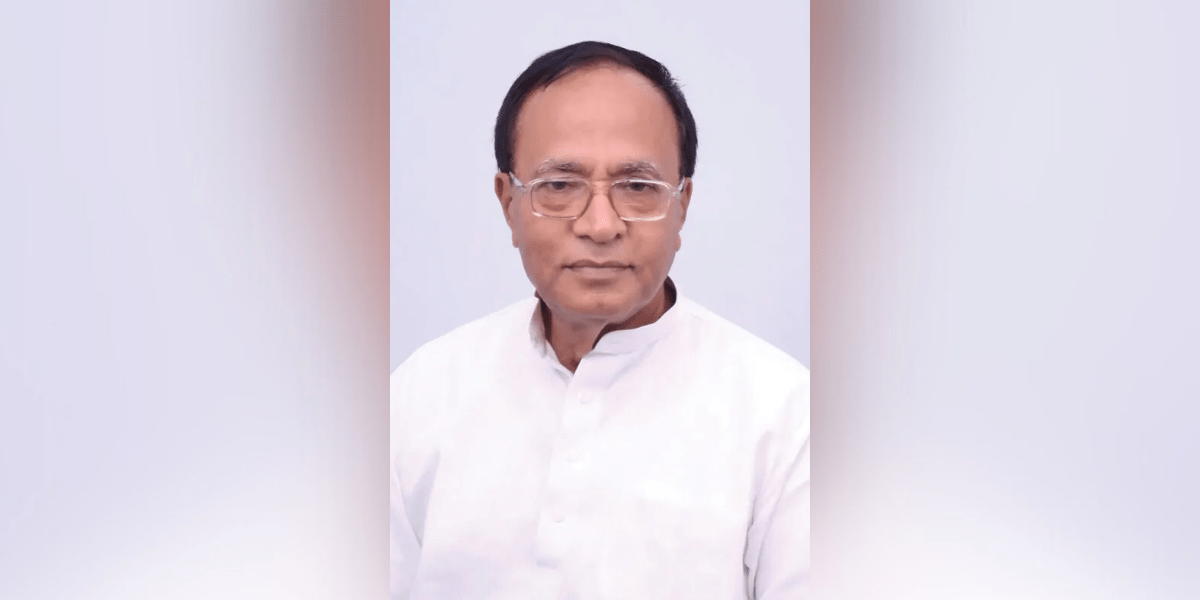
Member of Parliament Bishnu Pada Ray has raised strong concerns over the long-pending quarry crisis in the Andaman and Nicobar Islands, warning that development under Panchayati Raj Institutions (PRIs) has come to a standstill due to the prolonged suspension of quarry allotments. The issue, he said, has persisted for more than five years, leaving projects unfinished, funds lapsed, and Panchayat Samitis unable to function effectively.
According to the MP, stone quarrying at Hut Bay in Little Andaman was permitted until 2018, with materials like moorum allotted to agencies including APWD, AHLWD, and Panchayat Samitis for infrastructure works. Since the suspension of allotments, Panchayat bodies have been forced to depend on costly imports from Sri Vijaya Puram or the mainland. This has escalated project costs to prohibitive levels, causing stagnation across multiple development fronts.
The MP pointed out that the disparity in rate structures has compounded the problem. While the APWD has been allowed to frame estimates based on DSR-2023, the Engineering Wing of RD/Panchayat remains restricted to DSR-2021. The outdated schedule of rates not only inflates costs but also discourages contractors from participating in tenders. As a result, developmental works under PRIs remain at a complete standstill.
Highlighting assessments made in the past, Ray noted that both the National Green Tribunal and IIT Kharagpur confirmed the availability of sufficient quarry and moorum reserves in Little Andaman, provided environmental clearance is secured. The Revenue Department has already applied for clearance from the Forest Department, but the approval remains pending. Without this clearance, no quarry allotments can resume, and Panchayat projects remain blocked.

The MP also reminded that Panchayat Samitis have not been able to execute works for the past five years. This has led to lapsing of allocated funds and an inability to submit utilisation certificates (UCs), weakening the financial accountability of local bodies. Similar problems, he added, exist in North & Middle Andaman and Campbell Bay, where Panchayat Samitis too have been left without quarry support.
Ray recalled that Panchayat Samitis were earlier abolished by the administration, but restored in 2022 following the intervention of Union Home Minister Amit Shah. Despite the restoration, he said, neither sufficient funds nor administrative backing have been extended to them. This has left all seven Panchayat Samitis functioning only “in name,” unable to deliver the mandated services envisaged under the PRI Regulation.
Describing the situation as a serious lapse, Ray cautioned that if unresolved, PRI members could face embarrassment in the forthcoming Panchayat elections, as the public may view their performance negatively despite circumstances being beyond their control. He stressed that the current paralysis is not due to inefficiency at the grassroots but because of administrative negligence and procedural delays.
To resolve the issue, the MP has called for urgent intervention from the administration. He urged the Revenue and Forest Departments to expedite environmental clearance and immediately restore quarry allotments to Panchayat Samitis. He also pressed for a directive allowing the RD/Panchayat Department to adopt the prevailing DSR in force, ensuring uniformity with APWD and preventing cost escalation.
The prolonged quarry crisis, Ray underlined, is not just a technical matter but one of public welfare. With infrastructure works halted, communities are deprived of essential services such as roads, drainage, and local facilities. Restoring quarry allotments and addressing the rate disparity would, he argued, unlock stalled projects and revive the effectiveness of Panchayat Samitis.
The issue highlights how procedural delays and uneven administrative policies can impact local governance. For Little Andaman and other regions, quarry access remains the key to resuming long-delayed development. The MP’s intervention signals growing urgency for action, as the islands continue to grapple with the consequences of a five-year developmental standstill.