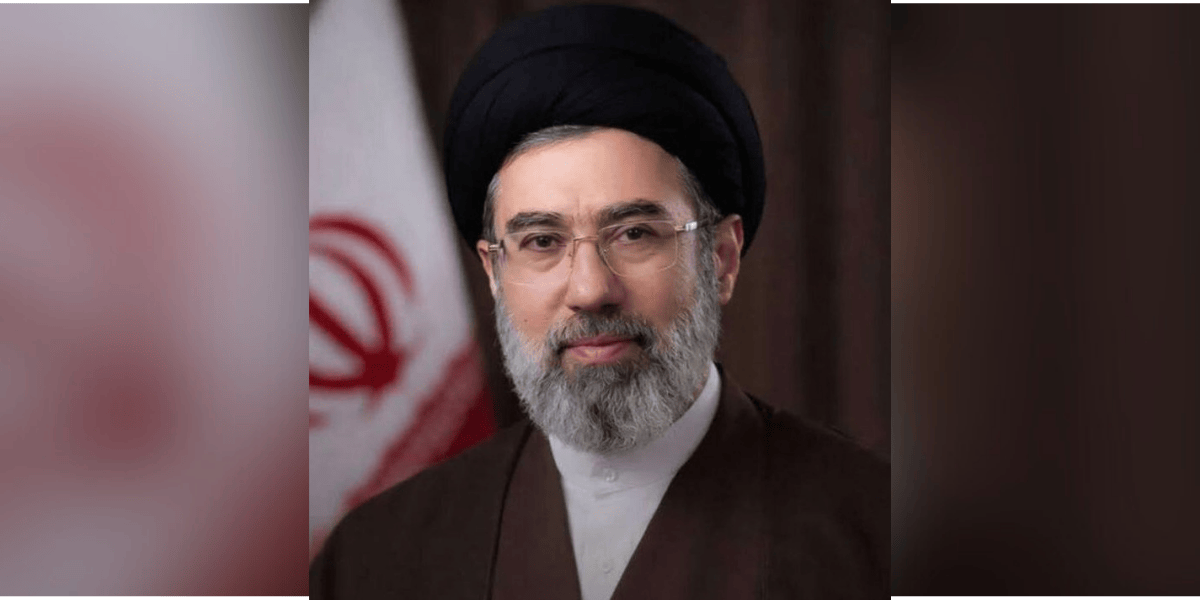
Mojtaba Khamenei becomes the new Supreme Leader of Iran after the country’s powerful clerical body appoints him to succeed his father Ali Khamenei. The decision comes as Iran remains locked in an escalating military confrontation with the United States and Israel.
The leadership transition follows the death of Ali Khamenei during the early phase of the conflict. According to Iranian authorities, he is killed in one of the first strikes launched against Iran on February 28 after hostilities break out involving the US-Israel alliance.
The appointment is announced by the Assembly of Experts, the 88-member council of clerics responsible for selecting the Supreme Leader. In a statement released shortly after midnight Tehran time, the assembly confirms that Mojtaba Khamenei is chosen by a decisive vote to become the third leader of the Islamic Republic.
The position of Supreme Leader represents the most powerful office in Iran’s political system. The role carries ultimate authority over state affairs, including command of the armed forces, oversight of the judiciary and influence over key political institutions.

Mojtaba Khamenei, a mid-ranking cleric widely believed to hold significant influence within Iran’s security apparatus and economic networks established during his father’s rule, has long been viewed as a leading contender for the position.
His elevation to the country’s top leadership post is expected to intensify geopolitical tensions, particularly with Washington.
Donald Trump states that the United States should have a say in Iran’s leadership transition. In remarks reported by media outlets, Trump says the new leader would struggle to remain in power without American approval.
Israeli authorities also issue warnings before the announcement, indicating that whoever assumes the position could become a potential target.
The leadership change occurs as fighting between Iran and the US-Israel alliance continues to escalate.
The US military reports that a seventh American service member dies from injuries sustained during Iran’s initial counter-attack a week earlier. The announcement follows the return of the remains of six other American personnel to the United States.
Iranian officials report heavy civilian casualties from the conflict. According to Iran’s ambassador to the United Nations, at least 1,332 civilians are killed and thousands more suffer injuries during the US-Israeli military campaign.
Despite mounting international pressure, Iranian leaders signal that the country has no intention of halting its military response.
Mohammad Bagher Qalibaf states that Tehran does not seek a ceasefire and will continue to respond to attacks. His remarks come as Washington calls for what Trump describes as an “unconditional surrender” from Iran.
Meanwhile, Israeli forces continue targeting senior Iranian officials. Israeli authorities say Abolqasem Babaian, recently appointed head of the Supreme Leader’s military office, dies in an airstrike conducted on Saturday.

Airstrikes also strike energy infrastructure in Tehran. Residents report seeing thick black smoke rising above parts of the city as attacks hit oil storage facilities, sending large plumes of flames into the night sky.
Iranian officials condemn the strikes as a dangerous escalation.
Esmaeil Baghaei accuses the attackers of committing a war crime, warning that strikes on fuel depots release hazardous materials and toxic substances into the air.
Israel defends the operation, stating that the targeted facilities are linked to Iran’s military capabilities.
Benjamin Netanyahu says Israel will continue its offensive and warns that Iran’s leadership will face sustained military pressure as the conflict enters its ninth day.