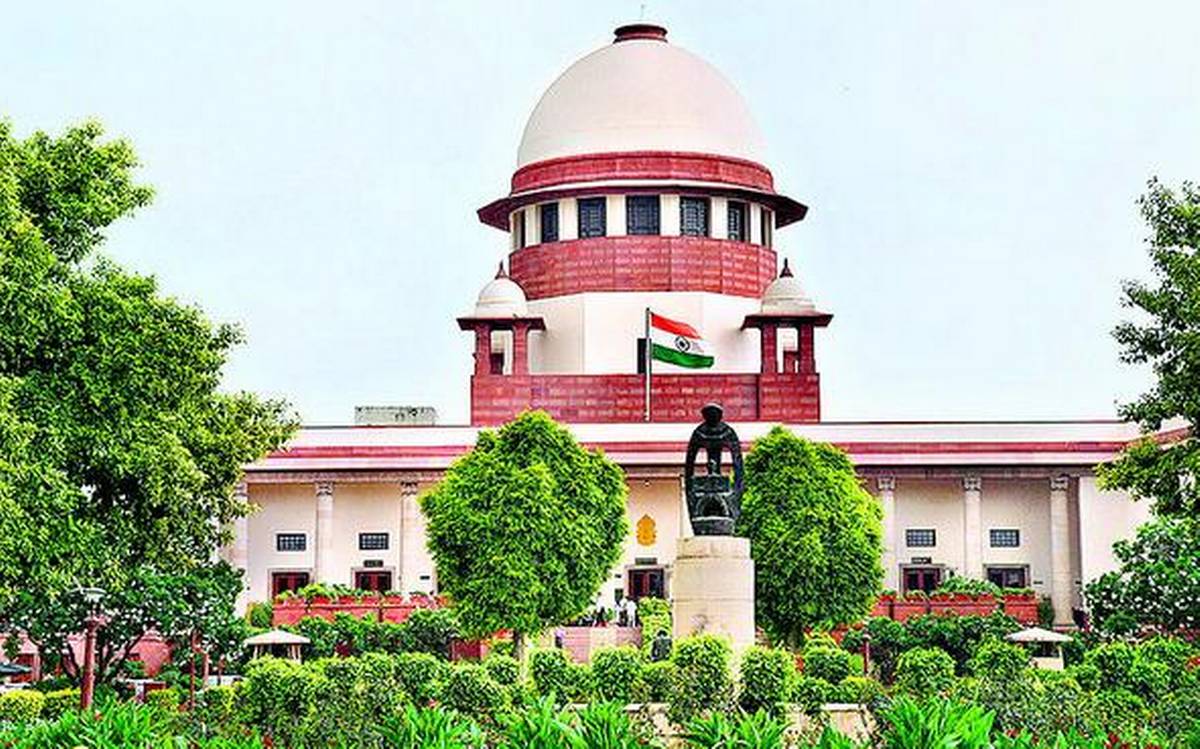
The Mediation & Conciliation Project Committee (MCPC) of the Supreme Court of India has initiated a nationwide 90-day campaign titled ‘Mediation for the Nation 2.0’ aimed at facilitating the settlement of pending cases across courts in India. The drive commenced on January 2, 2026, with the objective of promoting alternative dispute resolution mechanisms and reducing the burden of pending litigation in Taluka Courts, District Courts and High Courts.
The initiative focuses on resolving disputes that carry potential for settlement or compromise through mediation. It seeks to encourage litigants and legal practitioners to consider amicable resolution methods as a practical alternative to prolonged court proceedings. The campaign is designed to accelerate dispute settlement while promoting cost-effective and time-efficient justice delivery.
Cases identified for possible referral to mediation during the campaign include a wide range of civil, commercial and criminal matters that permit settlement. These include matrimonial disputes, including cases under the Domestic Violence Act and Section 498A of the Indian Penal Code or Section 85 of the Bharatiya Nyaya Sanhita. Cheque dishonour cases, commonly referred to as cheque bounce matters, are also among the identified categories.

Motor accident claims, compoundable criminal offences, land acquisition disputes, partition suits and eviction cases have also been listed among matters considered suitable for mediation under the initiative. Additionally, commercial disputes, service-related cases deemed appropriate for settlement, labour law issues, contract disputes and consumer cases form part of the categories eligible for mediation consideration.
Other civil disputes that can reasonably be settled through negotiation and compromise are also expected to be referred under the drive. The initiative reflects an institutional push towards strengthening mediation as a structured mechanism for dispute resolution within the legal system.
Authorities have informed the general public, litigants and members of the Bar about the campaign and encouraged their participation. The initiative emphasises mediation as a structured process that enables disputing parties to reach mutually acceptable solutions without prolonged litigation. It is positioned as a means to enhance access to justice by reducing procedural delays and litigation costs.

The MCPC’s campaign is intended to reinforce mediation as an integral component of India’s dispute resolution framework. By targeting pending cases that contain elements conducive to settlement, the drive aims to streamline judicial workload while facilitating faster outcomes for litigants.
The programme also reflects ongoing institutional efforts to promote alternative dispute resolution mechanisms within the judicial ecosystem. Mediation is being projected as an approach that can help reduce case pendency while fostering consensual dispute resolution practices.
With courts across the country participating in the initiative, the campaign is expected to provide an organised platform for resolving suitable disputes through dialogue and compromise. The emphasis remains on expediting case disposal while maintaining procedural fairness and accessibility within the justice delivery system.