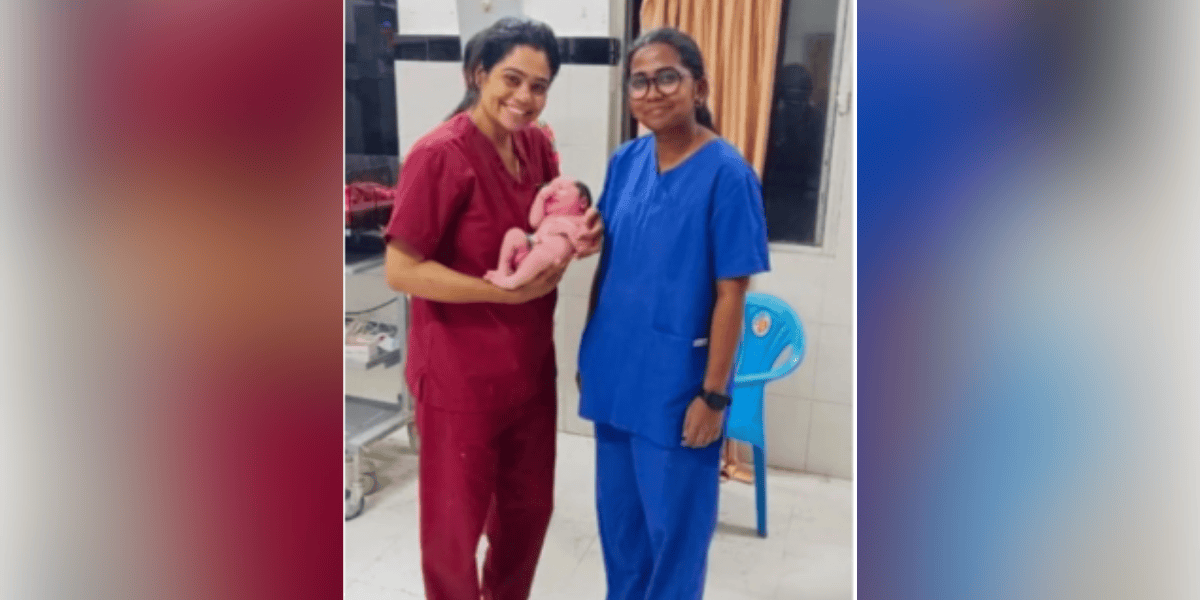
The Operation Theatre team of Dr. R P Hospital conducted three consecutive high-risk emergency surgeries in a single day, managing critical maternal cases referred from different parts of North and Middle Andaman district. The back-to-back procedures were carried out without interruption, underscoring the preparedness of the district hospital to handle life-threatening obstetric emergencies.
The first case involved an emergency Lower Segment Caesarean Section (LSCS) for a patient referred from Diglipur. The patient, at 39 weeks of pregnancy, had been diagnosed with oligohydramnios, a condition marked by reduced amniotic fluid that can pose serious risks to both mother and child if not addressed promptly. The surgical intervention was performed on priority, resulting in the safe delivery of the baby and stabilisation of the mother.
Soon after, the team attended to a second critical case involving a primigravida with footling breech presentation complicated by Preterm Premature Rupture of Membranes (PPROM) and sepsis. Given the combined obstetric and infectious risk factors, the situation required immediate surgical management to prevent further maternal and neonatal complications. The OT team proceeded with emergency surgery, averting escalation of the condition.

The third case was an emergency laparotomy for a seven-week ectopic pregnancy referred from the Community Health Centre at Rangat. The patient was reported to be in a critical state upon arrival. Swift surgical intervention was undertaken to control internal complications and stabilise her condition. Ectopic pregnancies, if not managed in time, can lead to severe internal bleeding and become life-threatening.
All three surgeries were led by the hospital’s gynecology and anesthesia specialists, supported by nursing and technical staff. The cases were handled sequentially, highlighting coordinated teamwork within the operation theatre complex. Hospital authorities noted that the uninterrupted execution of multiple emergency procedures reflected both clinical preparedness and logistical efficiency.

District-level hospitals in island territories often face geographical and referral challenges due to distance and transport constraints. Patients from remote locations such as Diglipur and Rangat require timely evacuation and rapid triage upon arrival. In such contexts, the capacity to undertake advanced obstetric and surgical procedures locally significantly reduces risk and dependence on tertiary care centres in the capital.
The hospital administration acknowledged the efforts of the medical and supporting staff involved in managing the emergencies. It stated that the handling of these cases demonstrated the strengthening of healthcare delivery systems in North and Middle Andaman. Over recent years, there has been a focused push to upgrade district hospital infrastructure, enhance specialist availability and improve emergency response mechanisms.
The successful management of the three high-risk cases in a single day is being viewed as an indicator of improved readiness in maternal healthcare services at the district level. With continued emphasis on skilled manpower, referral coordination and equipment support, authorities aim to ensure that critical patients receive timely intervention within the region, minimising avoidable complications and strengthening confidence in public healthcare facilities.