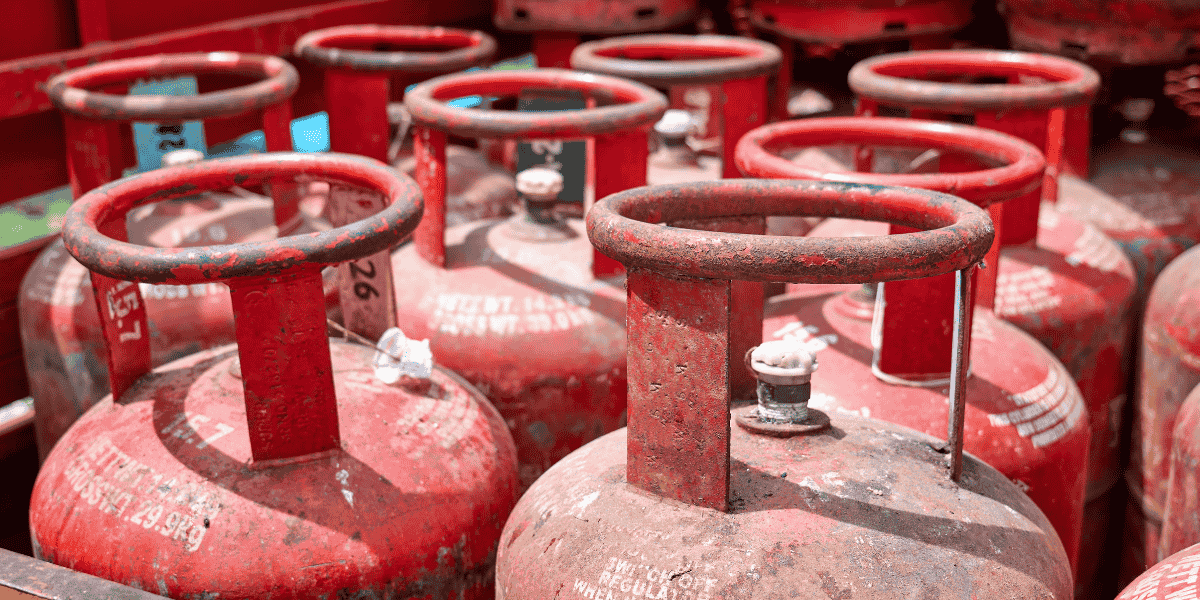
Residents of Campbell Bay and remote tribal islands such as Teressa and Chowra are facing prolonged shortages of LPG gas cylinders, causing significant hardship and growing public frustration. The shortage persists despite repeated representations and public protests, with the last partial distribution in Campbell Bay carried out in December 2025 and a limited supply reaching some beneficiaries in January 2026. Since then, no further LPG delivery has been reported, and residents state that delays in supply now range from 15 days to over a month.
Campbell Bay, which relies entirely on cargo ships for the transport of essential commodities, has experienced acute inconvenience due to the absence of LPG cylinders. The next cargo ship scheduled to sail from Sri Vijaya Puram to Campbell Bay on 6 February 2026 reportedly does not have arrangements to load LPG cylinders, raising concerns of renewed public unrest. Previous shortages in the region have triggered protests and dharnas, reflecting the severity of the situation and the frustration of local residents. In some cases, residents said they were required to purchase LPG only after buying a ticket for travel on the vessel Ali Hussain (boat), while no reasons were communicated for sail cancellations affecting supply movement.

In addition to supply disruptions in Campbell Bay, residents of remote tribal islands Teressa and Chowra remain deprived of LPG connections under the Pradhan Mantri Ujjwala Yojana (PMUY) due to network constraints. The Indian Oil Corporation (IOC) team from the West Bengal region visited these islands to complete documentation formalities for issuing new LPG connections. However, the mandatory OTP-based e-KYC process could not be completed due to unreliable mobile network connectivity, leaving beneficiaries without access to new connections.
Authorities have been requested to grant an exemption from OTP-based e-KYC for Teressa and Chowra, allowing completion of the KYC process in documentary mode. This follows a precedent set by the Ministry for villages in Chhattisgarh facing similar network limitations. Until such an exemption is approved, tribal residents remain unable to obtain LPG connections, extending the duration of energy deprivation and hardship.
Reports indicate that in some instances LPG cylinders were purchased at higher-than-standard rates, with costs reportedly reaching ₹4,500 per cylinder in Nicobar areas instead of the usual ₹2,000. Residents also report that they receive only two to four cylinders in an entire year, compounding the financial and logistical strain. The situation has been brought to the notice of local administrative authorities, shipping-linked officials and tribal council representatives, but residents claim that the issue has received little effective response so far.

Transportation challenges, irregular sailings, and the scarcity of essential fuel underline systemic vulnerabilities affecting these remote areas. The prolonged shortage of LPG in Campbell Bay and connectivity issues in tribal islands like Teressa and Chowra underscore pressing concerns about access to essential services and fuel safety for residents. These developments draw attention to the logistical difficulties of distributing critical resources in the Andaman and Nicobar Islands, where dependence on cargo shipments and limited communication infrastructure significantly affect service delivery.
Authorities have been urged to ensure immediate dispatch of LPG cylinders to Campbell Bay, improve reliability of shipping-linked supply chains, and implement alternative KYC measures for tribal islands. The situation highlights the urgency of coordinated action to prevent recurring energy crises and safeguard the welfare of residents in these isolated regions.