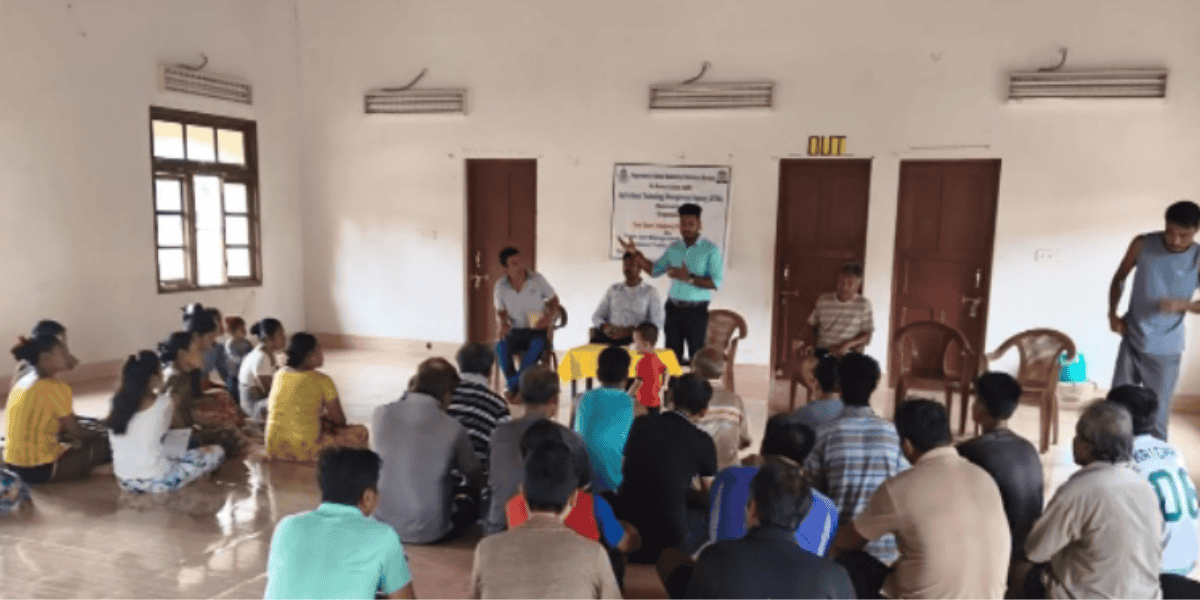
Katchal Island in Nicobar district witnessed a focused effort to strengthen livestock management practices as the Department of Animal Husbandry and Veterinary Services, Kamorta, in collaboration with the Union Territory Agriculture Technology Management Agency (UTATMA), conducted a two-day training programme on January 8 and 9 at E-wall Village.
The programme centred on the theme “Care and Management of Calf, Kid and Pregnant Cattle and Goat,” with the objective of equipping local livestock farmers with scientific knowledge and practical skills to improve animal health, nutrition and productivity during early growth and pregnancy stages, which are considered the most vulnerable phases in livestock rearing.
Officials said the initiative aimed to address common challenges faced by cattle and goat rearers in the Nicobar district by promoting best practices suited to island conditions and small-holder farming systems. The training focused on reducing mortality among young animals, improving reproductive health and ensuring sustained milk production through proper management.

During the sessions, farmers were trained on essential aspects of newborn and maternal care. Topics included the importance of timely colostrum feeding for calves and kids, balanced nutrition for growing animals, mineral and vitamin supplementation, and adherence to deworming and vaccination schedules. Participants were also guided on early detection and management of common livestock diseases to prevent long-term losses.
The programme further covered scientific housing and hygiene practices to minimise disease risks, along with pregnancy diagnosis and care during advanced gestation. Farmers received detailed guidance on preparation for safe parturition and post-partum management of dams, emphasising the role of proper care in ensuring healthy offspring and maintaining milk yield.
Resource persons from the Department of Animal Husbandry and Veterinary Services conducted demonstrations, interactive discussions and hands-on training sessions. Officials said the training modules were customised to reflect the unique environmental conditions of the Nicobar Islands, where access to veterinary services and feed resources can be limited.

Vice-Captain of Katchal, S. Samson, attended the programme and encouraged participating farmers to adopt the improved livestock management practices demonstrated during the training. He highlighted that scientific rearing methods could significantly improve animal health, reduce mortality rates among young stock, increase milk production and enhance overall farm income, thereby contributing to improved livelihoods for rural families in the islands.
The training programme saw enthusiastic participation from a large number of local cattle and goat rearers, reflecting growing interest in adopting scientific livestock practices. Farmers actively engaged in discussions and practical sessions, seeking solutions to issues commonly encountered in daily animal husbandry activities.
The programme concluded on January 9, with participants expressing appreciation for the relevance and timeliness of the training. Officials said such initiatives play a crucial role in strengthening the livestock sector in remote island regions by empowering farmers with knowledge-driven, sustainable practices.